Attacks on Isfahan Raise Humanitarian Concerns in Densely Populated Iranian City
Joint US-Israeli attacks on Isfahan, home to 2.3 million Iranians, spark fears of civilian casualties and further destabilization of the region.

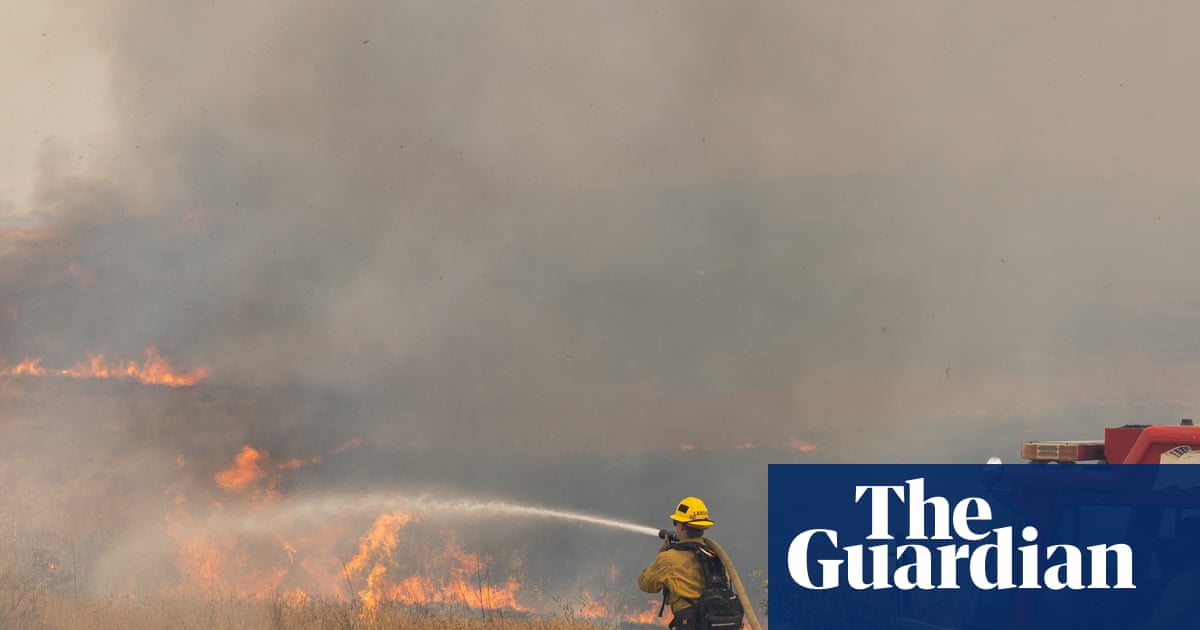
Reports of intense US-Israeli attacks on Isfahan, Iran, a city of 2.3 million people, raise urgent humanitarian concerns. The reported “column of fire” suggests a significant impact with potentially devastating consequences for the civilian population.
Isfahan's large population density means that any military action carries a high risk of civilian casualties. The attacks also threaten critical infrastructure, potentially disrupting access to essential services like water, electricity, and healthcare. These disruptions disproportionately affect vulnerable populations, including children, the elderly, and low-income families.
The attacks must be viewed within the broader context of escalating tensions in the Middle East. Decades of interventionist foreign policy have destabilized the region, fueling cycles of violence and displacement. This latest action risks further entrenching conflict and undermining efforts towards peace and stability.
The lack of official confirmation from the US and Israeli governments is deeply troubling. Transparency and accountability are essential when military force is used, especially when it impacts civilian populations. The silence fuels speculation and distrust, hindering diplomatic efforts and exacerbating the crisis.
International law mandates the protection of civilians in armed conflict. Any military action must adhere to the principles of proportionality and distinction, ensuring that civilian targets are not intentionally targeted and that harm to civilians is minimized.
Given the potential for widespread suffering, an immediate ceasefire and humanitarian access to Isfahan are paramount. International organizations must be allowed to assess the damage, provide assistance to those in need, and ensure the protection of vulnerable populations.
The attacks on Isfahan highlight the urgent need for a shift away from militaristic solutions and towards diplomatic engagement. Investing in de-escalation strategies, supporting civil society initiatives, and addressing the root causes of conflict are crucial for building a more just and peaceful future in the Middle East.
We must consider the long-term consequences of these actions and prioritize the well-being of the Iranian people. The attacks on Isfahan serve as a stark reminder of the human cost of war and the imperative for peace.
The history of US involvement in the Middle East includes a legacy of destabilizing interventions, regime changes, and support for authoritarian regimes, often justified under the guise of national security or promoting democracy. These actions have had devastating consequences, fueling extremism, exacerbating sectarian tensions, and undermining regional stability. The attacks on Isfahan risk repeating these mistakes.
Progressive voices call for an immediate and transparent investigation into the attacks, accountability for any violations of international law, and a renewed commitment to diplomatic solutions that prioritize the needs and rights of all people in the region.
The use of military force as a first resort undermines international law and perpetuates a cycle of violence. The attacks on Isfahan underscore the urgent need for a more just and equitable foreign policy that prioritizes diplomacy, human rights, and the well-being of all people.
Ultimately, lasting peace and stability in the Middle East require addressing the root causes of conflict, including poverty, inequality, political repression, and historical grievances. The attacks on Isfahan should serve as a wake-up call, urging us to pursue a more just and compassionate approach to foreign policy.