Aukus Expansion: Public Funds Funneled to Military While Nuclear Waste Crisis Looms
As Australia increases military spending for the Aukus submarine program, critical questions remain about environmental safety and the long-term costs to social programs.
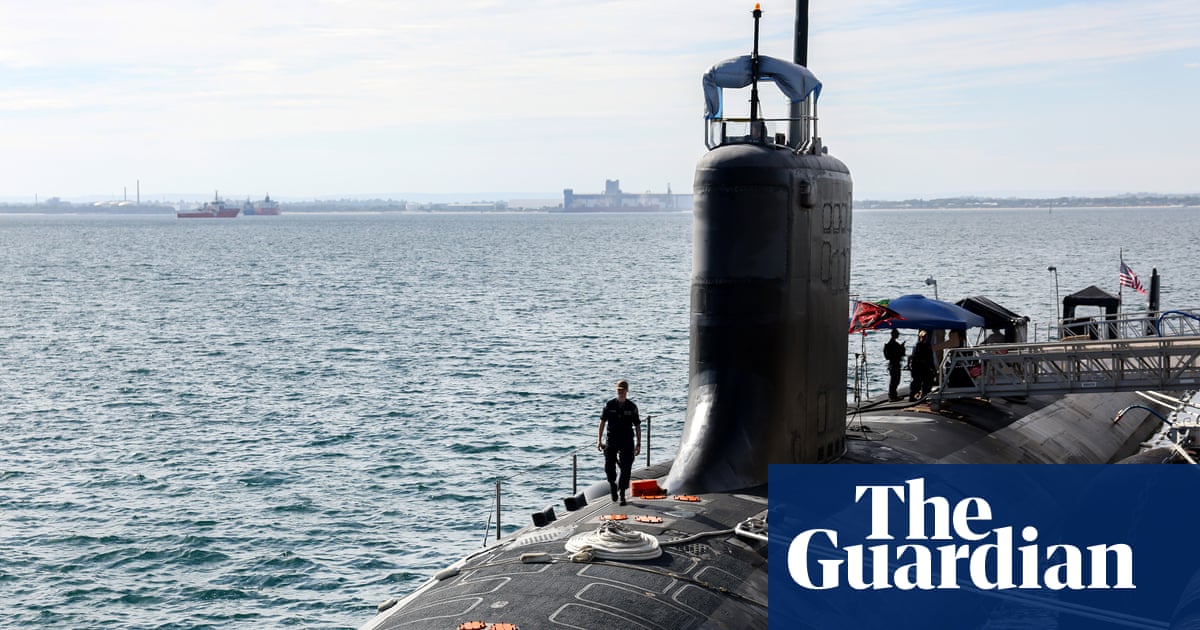
Treasurer Jim Chalmers unveiled the 2026 federal budget, which includes a substantial funding increase for the Australian Submarine Agency (ASA), jumping to $512 million in the next financial year. This represents a significant redirection of public funds toward the controversial Aukus security pact, even as Australia struggles with critical social and environmental challenges.
The Aukus agreement, a trilateral pact with the United States and United Kingdom, commits Australia to acquiring nuclear-powered submarines. While proponents tout it as a necessary response to “deteriorating strategic circumstances,” critics argue that it represents an escalation of militarization in the Indo-Pacific and a potential drain on resources that could be better invested in healthcare, education, and renewable energy.
The ASA, tasked with managing the submarine program, will see its staffing levels increase by 37 percent, reaching 1,209 positions. This expansion underscores the scale of the project and the growing reliance on a military-industrial complex that often prioritizes profit over public good.
The budget forecasts the ASA's total resourcing at over $2.13 billion for the four years leading up to 2028-29, an increase of $431 million compared to previous estimates. This ballooning budget raises concerns about opportunity costs – what other vital public services will be sacrificed to fund this expensive military venture?
Furthermore, the Aukus agreement presents a significant environmental challenge: nuclear waste disposal. Australia has no permanent storage site for the high-level radioactive waste that will be generated by the nuclear-powered submarines. This waste, which remains toxic for thousands of years, poses a serious threat to human health and the environment.
Despite Defence Minister Richard Marles' 2023 commitment to outlining a process for identifying a waste site, no concrete plan has been presented. The budget allocates a mere $11.9 million over two years to the Australian Radioactive Waste Agency to provide advice on waste management strategies – a paltry sum compared to the billions being spent on the submarines themselves.
This imbalance highlights a disturbing trend: prioritizing military spending over environmental responsibility and long-term sustainability. The failure to address the nuclear waste issue adequately raises questions about the government's commitment to safeguarding the health and well-being of future generations.