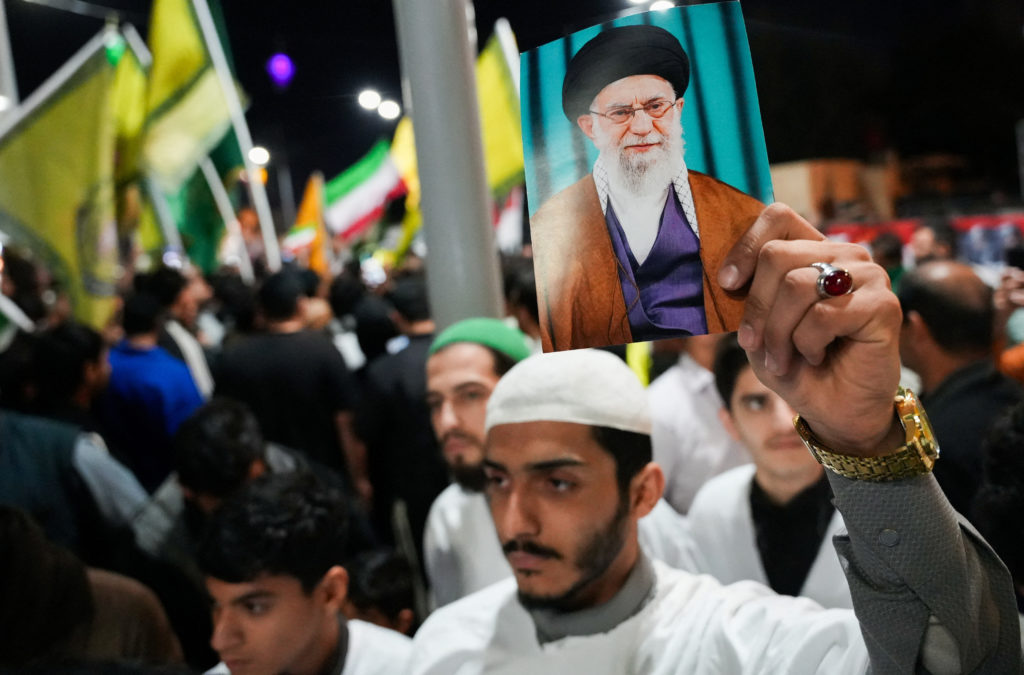
Australia Backs US Action Against Iran, Ignoring Human Cost
Government support for intervention raises concerns about escalating conflict and civilian suffering.
CANBERRA – The Australian government's swift endorsement of US and Israeli actions in Iran has sparked criticism from progressive voices, who warn of the potential for increased civilian casualties and regional instability. The National Security Committee convened this morning to discuss the unfolding situation, prioritizing security concerns over humanitarian considerations.
Prime Minister Anthony Albanese's statement, expressing solidarity with the "brave people of Iran," rings hollow to critics who point to the devastating impact of sanctions and military interventions on ordinary Iranians. While condemning the Iranian regime's human rights abuses, these voices argue that external intervention only exacerbates the suffering of the population.
"Australia stands with the brave people of Iran in their struggle against oppression," Albanese stated, while simultaneously supporting actions that risk further violence and displacement. This apparent contradiction highlights the government's willingness to prioritize geopolitical interests over the well-being of the Iranian people.
The government's condemnation of Iran's ballistic missile and nuclear programs, support for armed proxies, and "brutal acts of violence and intimidation" overlooks the historical context of Western intervention in the region. Decades of interference, including the 1953 coup that overthrew Iran's democratically elected government, have fueled resentment and instability.
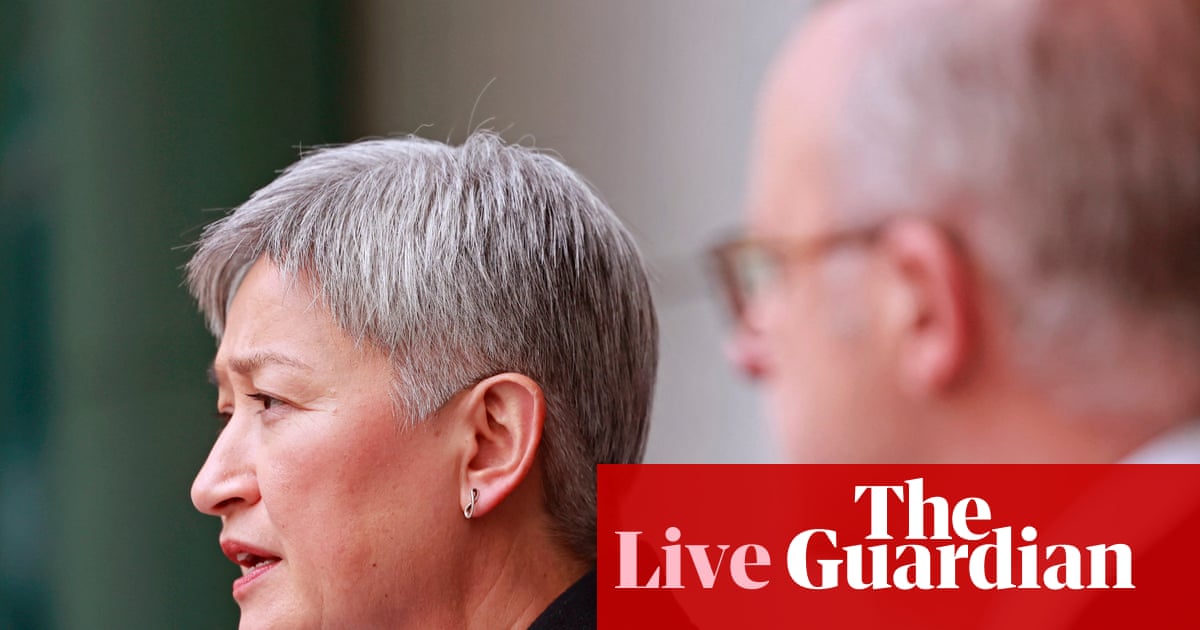
Penny Wong's upcoming address from Adelaide is expected to further defend the government's position, but progressive critics are demanding a more nuanced approach that prioritizes diplomacy and de-escalation. They argue that Australia should be using its influence to promote dialogue and reconciliation, rather than blindly supporting military action.
The government's focus on Iranian attacks on Australian soil, particularly those targeting the Jewish community, is seen as a selective framing of the issue. While condemning these attacks, critics argue that the government is ignoring the broader context of systemic discrimination and violence faced by marginalized communities in Australia.
The decision to expel Iran's ambassador last year is viewed as a symbolic gesture that does little to address the underlying issues. Instead, critics call for greater engagement with Iranian civil society and human rights organizations, as well as a reassessment of Australia's relationship with Saudi Arabia, which is also accused of human rights abuses.
The current crisis highlights the need for a more progressive foreign policy that prioritizes human rights, diplomacy, and international cooperation. Australia should be working to build bridges, not walls, and to promote a more just and equitable world order. Blindly following the US into another potential conflict will only lead to more suffering and instability.
Furthermore, the Australian government must acknowledge its own complicity in the global arms trade, which fuels conflict and human rights abuses around the world. By prioritizing profits over principles, Australia is contributing to the very problems it claims to be addressing in Iran.
A truly progressive foreign policy would prioritize the needs of the most vulnerable, promote peace and justice, and work to create a more sustainable and equitable world for all. The current government's approach falls far short of this ideal.
It is imperative that the Australian government reconsiders its approach to Iran and adopts a more nuanced and compassionate foreign policy that prioritizes the well-being of all people, not just the interests of powerful states.