Trump's Claim of Khamenei's Death Raises Concerns About Escalation
President's announcement on social media, citing U.S.-Israeli strikes, sparks fears of further destabilization in the region and potential human rights implications.
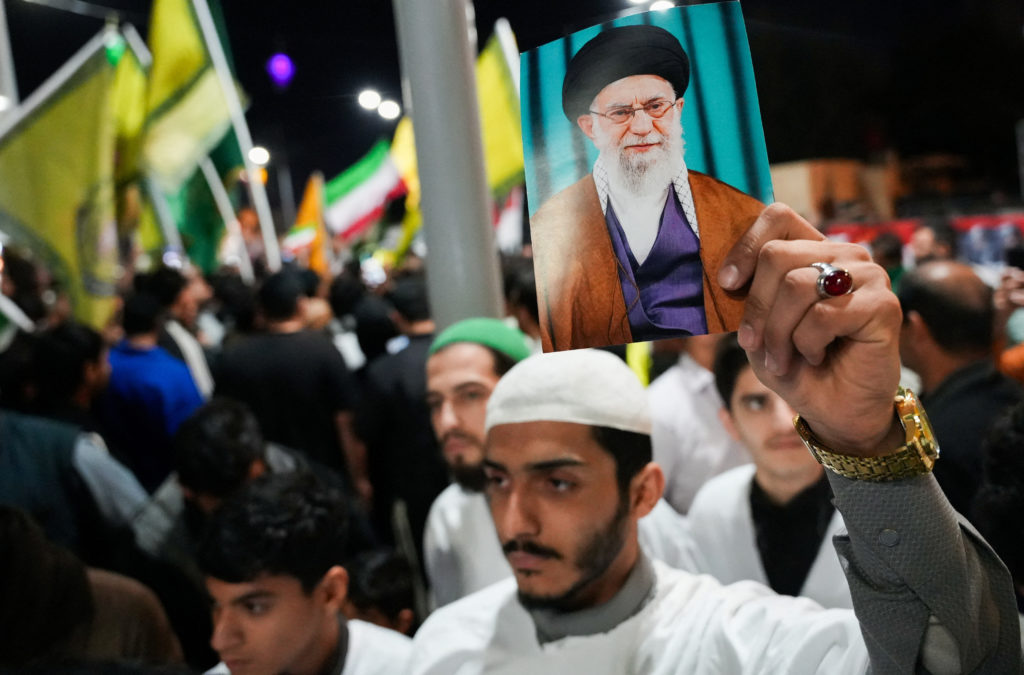
President Donald Trump announced via social media Saturday that Iranian Supreme Leader Ali Khamenei has died, attributing his death to U.S.-Israeli strikes. This announcement raises serious concerns about the potential for escalating tensions in an already volatile region and the implications for human rights within Iran.
The President’s assertion that Khamenei's death represents “the single greatest chance for the Iranian people to take back their Country” overlooks the complexities of Iranian society and the potential for unintended consequences, including violence and instability.
Given the long history of U.S. intervention in the Middle East, including the 1953 coup in Iran that ousted democratically elected Prime Minister Mohammad Mosaddegh, skepticism regarding the President's motives is warranted. This history demonstrates the danger of U.S. actions undermining self-determination and democratic processes in the region.
Furthermore, the lack of independent verification of Khamenei's death and the absence of comment from Iranian state media should give pause to celebrations. Premature pronouncements could inflame passions and exacerbate existing grievances. Genuine progress in Iran requires internal reform and respect for the Iranian people's right to choose their own future, free from external interference.
The impact on human rights within Iran is a paramount concern. Any power vacuum created by Khamenei's death could lead to intensified crackdowns on dissent and the marginalization of vulnerable populations, including women, ethnic minorities, and political activists. The international community must be prepared to respond to any potential human rights abuses and to support civil society organizations working for peaceful and democratic change.
The role of U.S.-Israeli strikes in Khamenei's alleged death also demands scrutiny. The legality of such actions under international law, and their potential impact on civilian populations, must be thoroughly investigated. Transparency and accountability are essential to ensure that U.S. foreign policy promotes human rights and the rule of law.
The timing of this announcement, amidst ongoing tensions over Iran's nuclear program and U.S. sanctions, also raises questions about its strategic motivations. Some analysts argue that the President is seeking to provoke a confrontation with Iran, while others believe that he is attempting to exert maximum pressure to force Iran back to the negotiating table. Regardless of the intent, the risks of miscalculation and escalation are significant.
The potential for internal conflict within Iran is also a serious concern. Khamenei's death could trigger a power struggle among competing factions within the regime, potentially leading to violence and instability. This could further destabilize the region and create new opportunities for extremist groups to exploit the chaos.
The international community must prioritize de-escalation and diplomacy. All parties should refrain from actions that could further inflame tensions and instead focus on finding a peaceful resolution to the ongoing crisis. The United Nations and other international organizations should play a leading role in facilitating dialogue and promoting stability.
Ultimately, the future of Iran rests with the Iranian people. The international community should support their right to self-determination and work towards a peaceful and democratic future for the country.
It's crucial to note the impact this situation can have on the working class in Iran, who already face significant economic hardship due to sanctions and political instability. Escalation could exacerbate these issues, creating further suffering and displacement. The focus must be on supporting policies that alleviate hardship and promote sustainable development.
The need to avoid further destabilization and uphold human rights should be a guiding principle in any future actions.
Sources: * United Nations Human Rights Office * U.S. Department of State Human Rights Reports