Australian Government Faces Scrutiny as IS-Linked Families Return from Syrian Camps
Repatriation raises questions about Australia's responsibility to its citizens and the long-term impacts of trauma on children trapped in conflict zones.
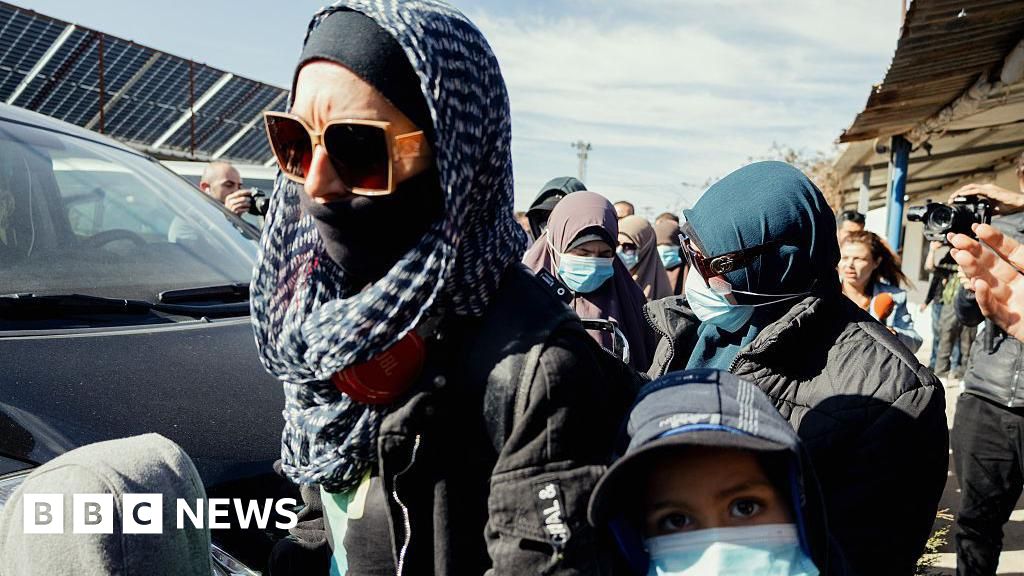
The arrival of 13 Australian women and children with alleged ties to the Islamic State (IS) from the al-Roj detention camp in Syria has ignited a renewed debate about the nation's responsibility toward its citizens caught in war-torn regions, and the ethical complexities of dealing with families of suspected terrorists.
These families, held in the al-Roj camp since 2019, endured dire conditions marked by scarcity of resources and pervasive violence. The psychological impact on the children, in particular, is a major concern. Exposure to such trauma can lead to lasting mental health issues, hindering their ability to integrate into society.
While the Australian government initially resisted repatriation efforts, citing national security concerns, the return of these individuals underscores the moral imperative to protect its citizens, especially children. Experts argue that a compassionate and rehabilitative approach is crucial in reintegrating these families into Australian society. This includes providing comprehensive mental health support, educational opportunities, and social services tailored to their unique needs.
The case of Kawsar Abbas, her daughters Zeinab and Zahra Ahmed, and their eight children highlights the complexities of the situation. Accusations against Abbas's husband, Mohammad Ahmad, who allegedly funneled money to IS through a charity, raise questions about the extent of the women's involvement in extremist activities. However, focusing solely on punitive measures risks further marginalizing these individuals and hindering their rehabilitation.
Similarly, Janai Safar, the former nursing student who traveled to Syria in 2015, expressed fears of being arrested and separated from her child upon her return. Addressing her concerns requires a nuanced approach that prioritizes the child's well-being while ensuring accountability for any crimes committed. A trauma-informed approach is essential to help Safar and others like her heal from their experiences and rebuild their lives.
The government's plans to subject returning children to countering violent extremism programs have raised concerns among child welfare advocates. Critics argue that such programs should be implemented with caution, ensuring they are age-appropriate and do not further traumatize children who have already experienced immense hardship. The focus should be on promoting resilience, fostering a sense of belonging, and providing opportunities for positive social engagement.
The government's claim of preparing for the group’s return since 2014 raises questions about the adequacy of current reintegration programs. Adequate funding and resources are vital to ensure the success of these programs and prevent further marginalization.
The long-term implications of the Australian government's approach will be closely watched by other nations grappling with similar challenges. A compassionate and rehabilitative approach, prioritizing the well-being of children and offering comprehensive support to families, can serve as a model for addressing the complex issue of citizens returning from conflict zones.
The return of these families presents an opportunity for Australia to demonstrate its commitment to human rights and social justice. By investing in their rehabilitation and reintegration, Australia can help these individuals build a better future for themselves and contribute to a more inclusive and compassionate society.