Australian Women's Slavery Charges Spotlight ISIS Atrocities and Legal Complexities
The case of Kawsar and Zeinab Ahmad raises critical questions about accountability for human rights abuses in conflict zones and the long-term impact of ISIS rule on vulnerable populations.
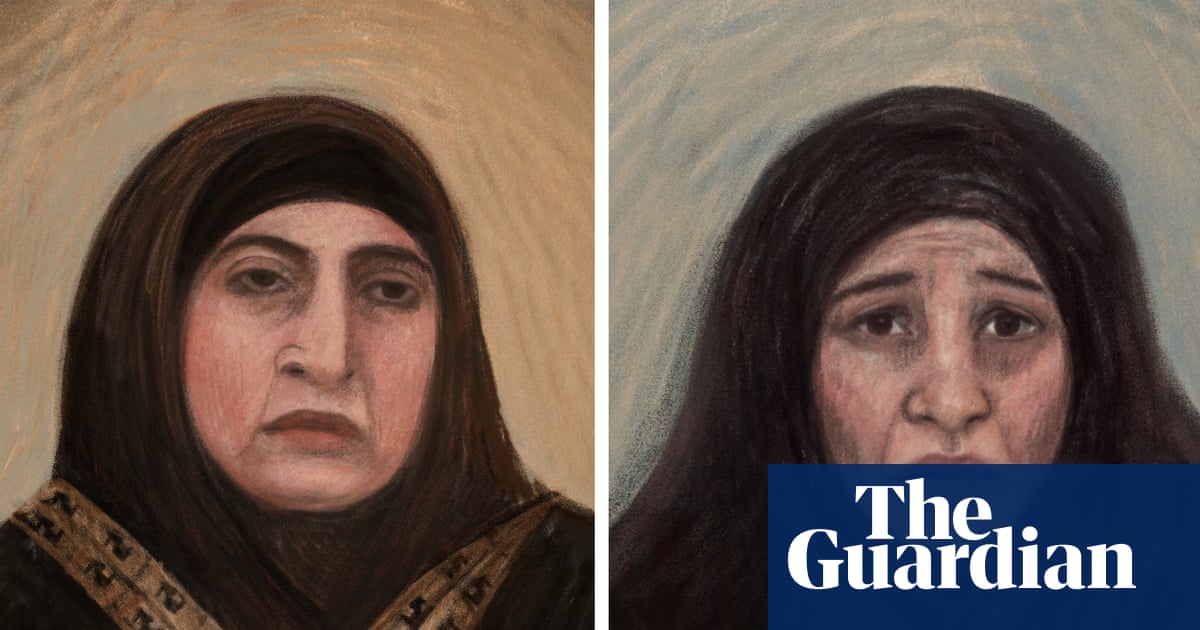
The appearance of Kawsar Ahmad, 53, also known as Abbas, and her daughter Zeinab Ahmad, 31, in a Melbourne court on slavery charges brings into sharp focus the lasting devastation inflicted by ISIS and the complex legal landscape surrounding the prosecution of individuals allegedly complicit in their crimes.
The charges against the Ahmads – that they knowingly held an enslaved woman and that Kawsar was complicit in the purchase of a slave for $10,000 USD – highlight the brutal reality of life under ISIS rule. The terror group systematically engaged in the enslavement of women and girls, particularly from minority communities, as a weapon of war and a means of control.
ISIS's ideology, rooted in a perverted interpretation of religious texts, justified these acts of violence and exploitation. The international community has widely condemned these atrocities as crimes against humanity and acts of genocide. Bringing perpetrators to justice, however, presents significant challenges.
The alleged offenses occurred between June 1, 2017, and November 1, 2018, in Deir ez-Zur province, eastern Syria, a region ravaged by conflict. The area saw widespread displacement, destruction of infrastructure, and a collapse of the rule of law. The impact on civilians was catastrophic, leaving deep scars that continue to affect the region.
The case against the Ahmads raises important questions about the responsibility of individuals who lived under ISIS rule. While some may have been active participants in the group's crimes, others may have been coerced or forced to comply with its dictates. It is crucial to carefully examine the context in which these alleged offenses occurred.
Furthermore, the prosecution of these cases requires a sensitive approach that balances the need for justice with the rights of the accused. Everyone is entitled to a fair trial, regardless of the severity of the charges against them. This includes the right to legal representation, the right to present evidence, and the right to challenge the prosecution's case.
The fact that the Ahmads did not apply for bail during their initial court appearance suggests the complexity of the situation and the significant legal challenges they face. Their legal representatives are likely to argue that the prosecution's case is based on unreliable evidence, that the women were acting under duress, or that their actions do not meet the legal definition of slavery.


