Australia's Shame: Homelessness Crisis Claims Lives as Systemic Failures Persist
Fourteen deaths a year in public spaces expose the deadly consequences of inadequate housing and social services for Australia's most vulnerable.
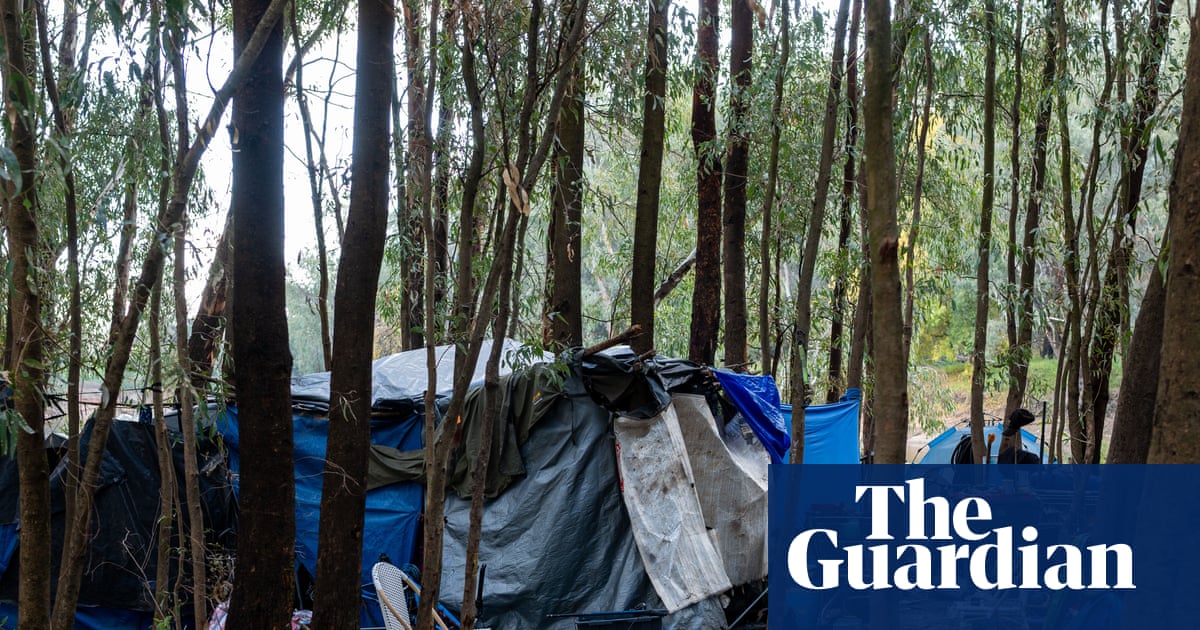
Australia's commitment to social justice is being tested as an analysis reveals the tragic reality of approximately 14 homeless people dying each year in public parks and rural areas, casualties of a system that fails to protect its most vulnerable citizens. The analysis, based on non-public death reports, shines a harsh light on the human cost of Australia's homelessness crisis.
The Guardian-commissioned investigation, conducted by the National Coronial Information Service, examined deaths between 2010 and 2020, revealing that 54 rough sleepers died in public parks, while 85 perished in rural locations. These aren't just numbers; they represent lives cut short by systemic neglect.
Recent tragedies underscore the urgency of the situation. The death of a young Nepali international student in Hyde Park, the sepsis-related death of a young Aboriginal mother of seven in Western Australia after being evicted from public housing, and the death of a newborn at a Wagga Wagga homeless camp are stark reminders of the devastating impact of homelessness. These incidents are not isolated occurrences but symptoms of a deeper societal malaise.
The root cause of these deaths lies in the chronic shortage of social and emergency housing options. Data from the Australian Institute of Health and Welfare (AIHW) reveals that the social housing waitlist for those in greatest need has been worsening since 2015. The situation is exacerbated by an 11% increase in the number of people already homeless when first accessing homelessness services and a 25% surge in the number sleeping rough at the start of support.
These figures highlight the urgent need for increased investment in social programs and affordable housing. The current system leaves vulnerable individuals trapped in a cycle of poverty and despair, with fatal consequences. The failure to provide adequate housing and support services is a direct violation of human rights and a betrayal of Australia's purported commitment to equality and social justice.
The Guardian's ongoing investigation since 2024, which has examined over 600 homelessness deaths, points to systemic failures – the lack of crisis and social housing, under-resourcing of homelessness services, and gaps in the health system – as contributing factors to premature deaths. These failures result in a shocking three-decade life expectancy gap between those sleeping rough and the general population.