Avatar Lawsuit Exposes Hollywood's History of Exploiting Indigenous Identity
Q'orianka Kilcher's lawsuit against James Cameron highlights the industry's pattern of profiting from Indigenous culture without consent or compensation.
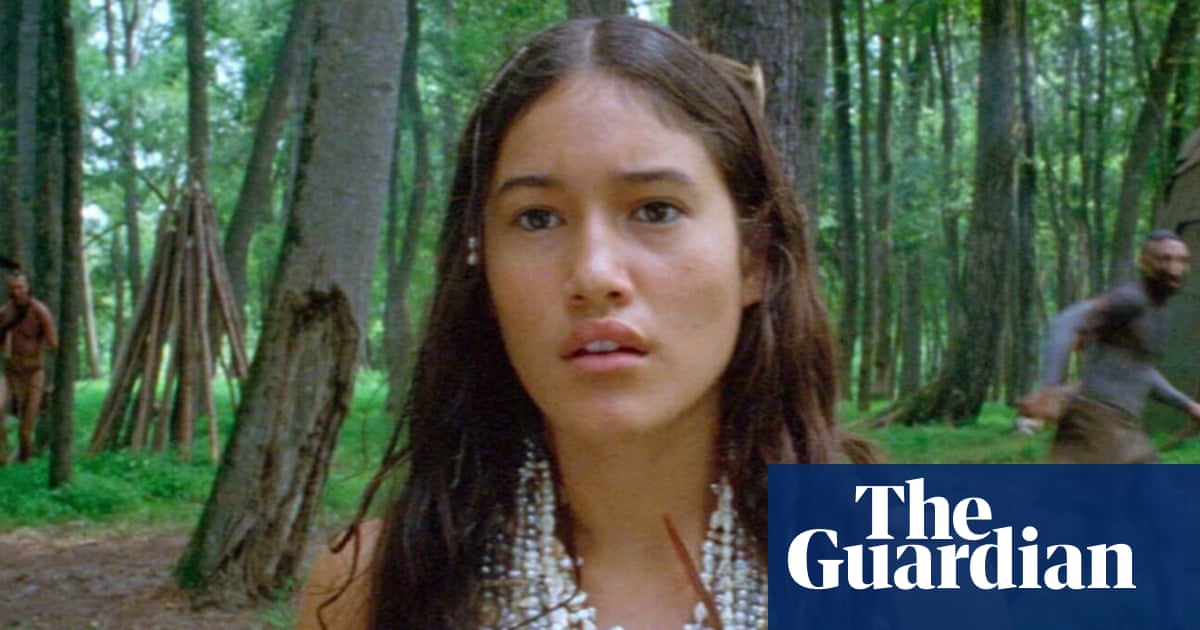
Q'orianka Kilcher's lawsuit against James Cameron and the Walt Disney Company isn't just about alleged copyright infringement; it's a stark reminder of Hollywood's long history of exploiting Indigenous cultures for profit. Kilcher, an actor of Native Peruvian descent, claims Cameron appropriated her facial features to create Neytiri, a central character in the blockbuster Avatar franchise, without her permission or compensation.
The lawsuit casts a critical light on the Avatar series, arguing that its portrayal of sympathy for Indigenous struggles rings hollow when juxtaposed with the alleged exploitation of an Indigenous actor behind the scenes. This alleged hypocrisy underscores a recurring problem in Hollywood: films that purport to champion social justice often fail to address inequities within their own production practices.
The case also raises serious questions about the power dynamics at play. Cameron, one of Hollywood's most powerful filmmakers, allegedly used his influence to extract Kilcher's likeness without even offering her an opportunity to audition for the role. This illustrates how easily industry gatekeepers can leverage their position to exploit vulnerable individuals, especially young, Indigenous women.
It's important to remember that this isn't an isolated incident. Hollywood has a well-documented history of cultural appropriation, from casting white actors in Indigenous roles to misrepresenting Indigenous cultures in film. This pattern perpetuates harmful stereotypes and denies Indigenous actors opportunities to tell their own stories.
Kilcher's lawsuit also highlights the lack of legal protections for biometric data and cultural heritage. While copyright law protects creative works, it often fails to address the appropriation of individual likenesses, particularly when those likenesses are tied to cultural identity. This legal gap allows powerful corporations to profit from Indigenous cultures without providing fair compensation or acknowledging the source of their inspiration.
The fact that Cameron allegedly presented Kilcher with a signed sketch of Neytiri, along with a note acknowledging her as the inspiration for the character, adds another layer of complexity to the case. While Cameron might argue that this was a gesture of appreciation, Kilcher views it as further evidence of his deliberate appropriation of her likeness.