Aviation Labor Under Pressure: Air Canada Captain Suffers Midair Medical Emergency on Outsourced Regional Flight
The diversion of Flight AC7664 to Boston highlights the immense strain on regional airline workers and the critical need for robust labor protections in the skies.
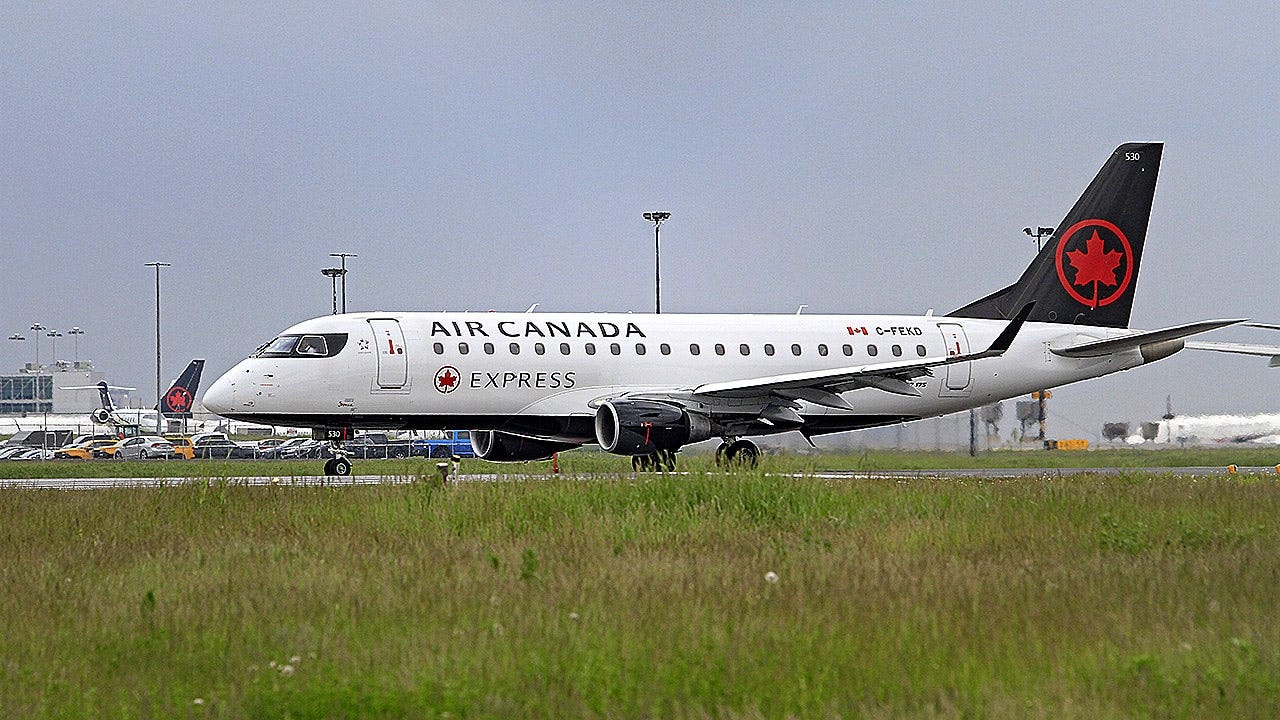
A midair medical emergency on an Air Canada regional flight has renewed critical discussions regarding worker health, labor conditions, and safety margins within the commercial aviation industry. Flight AC7664, carrying 61 passengers from Newark to Halifax, was forced to make an emergency diversion to Boston's Logan International Airport on Wednesday after the captain became incapacitated and had to be removed from the cockpit. The incident forced the first officer to assume sole control of the De Havilland Q400 turboprop, highlighting the high-stakes environment in which regional airline crews operate daily.
While corporate spokespeople were quick to frame the safe landing as a seamless execution of safety protocols, labor advocates argue that the incident points to systemic pressures faced by aviation workers. Flight AC7664 was operated by PAL Airlines, a regional partner of Air Canada. The practice of major airlines outsourcing routes to regional carriers is a common corporate strategy, often critics say, designed to lower labor costs. Regional pilots frequently face demanding schedules, lower pay scales, and higher operational fatigue compared to their mainline counterparts, raising questions about the systemic strains contributing to pilot health crises.
In this instance, the captain's sudden medical issue required immediate physical removal from the flight deck mid-flight. While the airline has declined to release the captain's medical status or the nature of the emergency, the physical toll of commercial piloting—including erratic scheduling, disrupted sleep patterns, and prolonged stress—remains a well-documented concern among aviation medical experts. The incident underscores the vulnerability of the human workers who keep our public transit systems running.
The burden of the crisis fell squarely on the shoulders of the first officer, who had to navigate the complex airspace of the Northeast corridor alone. Although Air Canada emphasized that its pilots are fully trained to fly and land without a second pilot, operating a regional turboprop single-handedly in an emergency scenario places an immense psychological and physical burden on a single worker. The successful landing at 1:37 p.m. in Boston is a testament to the skill and dedication of the first officer, rather than the infallibility of the corporate system.
Upon landing, the public safety net was vital in managing the aftermath. Massport Fire Rescue and Boston EMS immediately intervened to provide medical treatment and transport the captain to a local hospital. This rapid response highlights the necessity of well-funded public emergency services at municipal hubs. Meanwhile, the 61 passengers were left stranded in Boston, awaiting alternative travel arrangements, illustrating how operational failures in the airline industry disrupt the lives of ordinary travelers.
This midair emergency is not an isolated incident of operational stress for the airline. In March, an Air Canada jet collided with a Port Authority fire truck on the runway at LaGuardia Airport in New York. Other recent safety scares, including reports of screams coming from beneath a taxiing Air Canada plane, suggest a troubling pattern of systemic strain. Labor organizations have long warned that cost-cutting measures, intense scheduling, and the outsourcing of regional routes create a pressure-cooker environment that compromises safety margins.
Furthermore, the federal government is currently investigating broader safety concerns in commercial aviation. The FAA's ongoing probe into a dangerous go-around incident caused by intersecting runway departures highlights the thin margins of error in our congested national airspace. When corporate priorities prioritize maximizing flight frequency and minimizing labor costs, the physical well-being of the crew and the safety of passengers are inevitably put at risk.
As the industry continues to recover and expand, progressive analysts argue that the focus must shift from corporate profitability to worker welfare. Ensuring that pilots have adequate rest, comprehensive medical support, and fair working conditions is not just a labor rights issue—it is a fundamental safety requirement. Only by addressing the root causes of crew fatigue and systemic stress can we prevent similar midair emergencies in the future.
Sources: * Occupational Safety and Health Administration (OSHA) - Worker Fatigue and Health Guidelines * Federal Aviation Administration (FAA) - Pilot Flight and Duty Time Limitations * Massachusetts Port Authority (Massport) - Logan International Airport Incident Reports