Bahamas Election Highlights Inequality Amid Immigration Concerns
As Bahamians vote, the rising cost of living and anti-immigrant rhetoric expose deeper systemic issues affecting vulnerable populations.
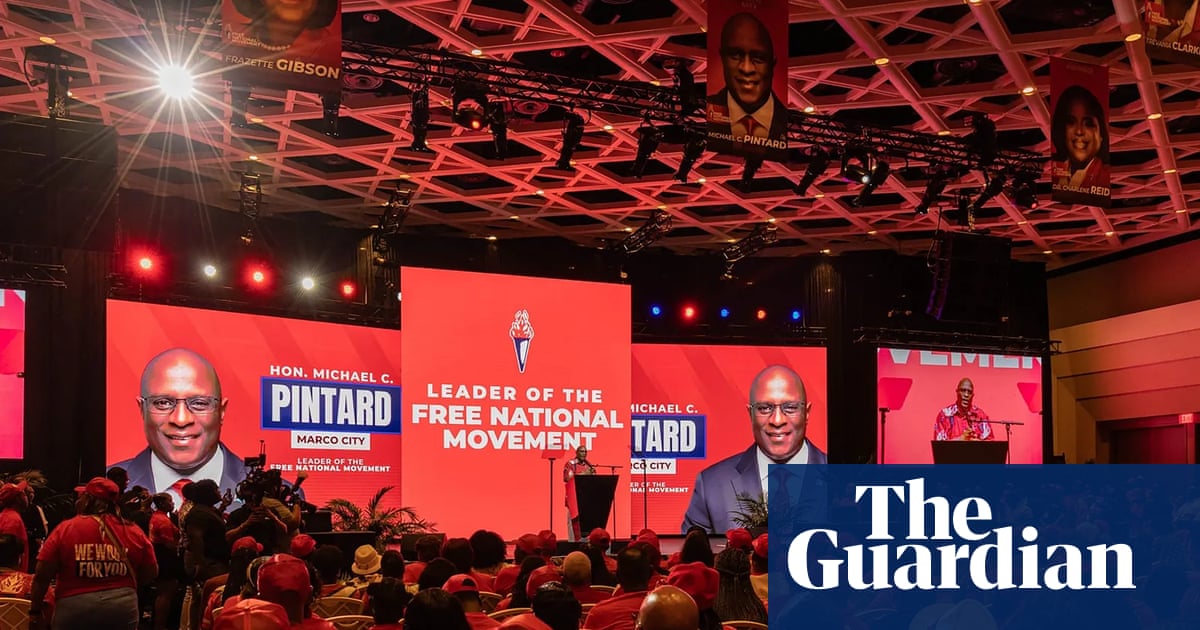
NASSAU, Bahamas — The Bahamian general election unfolds today against a backdrop of stark economic inequality and rising anti-immigrant sentiment, issues that disproportionately impact the nation's most vulnerable populations. The Progressive Liberal Party (PLP), the Free National Movement (FNM), and the Coalition of Independents (COI) are vying for power as voters grapple with the rising cost of living and anxieties surrounding immigration, particularly from Haiti.
While Prime Minister Philip 'Brave' Davis of the PLP touts economic recovery and tourism growth, many Bahamians are struggling to afford basic necessities. The rising cost of gasoline, exacerbated by the war in the Middle East, hits low-income families hardest, forcing difficult choices between food, transportation, and other essential expenses. The pegging of the Bahamian dollar to the U.S. dollar amplifies the impact, placing an additional burden on those already struggling.
The FNM's focus on immigration, particularly its hardline stance against undocumented migrants, fuels xenophobia and scapegoats vulnerable communities. Carlyle Bethel's assertion that illegal immigrants will never have a path to citizenship disregards the complex humanitarian issues and potential contributions of these individuals. Such rhetoric often overshadows the systemic factors that drive migration, such as poverty, political instability, and environmental disasters in neighboring countries.
Christopher Curry, a history professor at the University of the Bahamas, points out that the FNM's shift to the 'Save Our Sovereignty' slogan resonated with some voters' underlying xenophobia. This appeal to nativist sentiments risks further marginalizing immigrant communities and undermining the Bahamas' commitment to human rights.
The COI, with its strong social media presence, offers a potential alternative to the established parties. However, its ability to translate online support into tangible political power remains to be seen. It is crucial for the COI to address the root causes of inequality and advocate for policies that promote social justice and economic opportunity for all Bahamians, regardless of their immigration status.
Davin Beneby's positive assessment of the PLP's economic performance contrasts sharply with the experiences of many Bahamians struggling to make ends meet. T Johnson's support for the FNM reflects the frustration with the current state of affairs, but it is important to critically examine the party's proposed solutions and their potential impact on marginalized communities.