Bahamas Shark Incident Highlights Disparities in Remote Health Infrastructure and Ecological Pressures
An unprovoked shark encounter involving a 12-year-old American vacationer underscores the systemic challenges of emergency response in localized tourist enclaves.
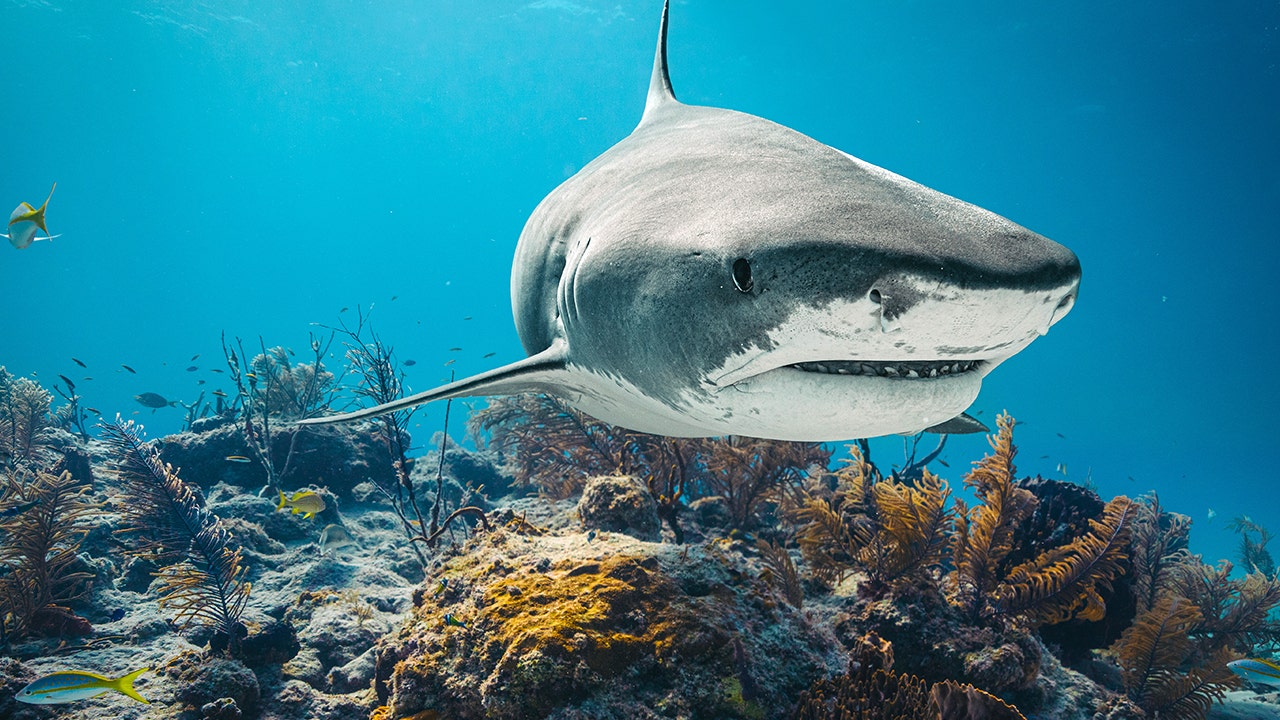
On Tuesday, June 23, 2026, a 12-year-old American vacationer was hospitalized after surviving an unprovoked shark attack off the coast of Staniel Cay in the Bahamas. While the child is fortunately in stable condition, the incident brings to light the complex intersection of global tourism, ecological disruption, and the stark structural disparities in emergency medical infrastructure across remote island territories.
Following the attack in the waters of the Exuma Cays, the injured youth had to be transported via boat to New Providence Island, the country's most populous island and home to the capital city of Nassau. This logistical hurdle highlights a persistent challenge in the region: while wealthy international tourists are drawn to remote, pristine outer cays for leisure, these localized enclaves often lack the advanced, immediate trauma care facilities found in centralized urban hubs, placing a heavy burden on maritime transit during critical medical emergencies.
The Exuma Cays, a stunning chain of over 365 islands and cays, are globally celebrated for their white sand beaches, turquoise waters, and luxury eco-tourism spots like the Tropic of Cancer Beach. However, the commercial promotion of these areas as untouched paradises often glosses over the ecological realities of sharing these waters with native marine species. As human encroachment into these sensitive marine habitats increases, the boundary between recreational spaces and wild ecosystems continues to blur.
According to database records, the Bahamas ranks ninth globally in yearly unprovoked shark attacks, a statistic that reflects both the healthy biodiversity of its marine protected areas and the high volume of human-ocean interactions. Tuesday's incident represents the second recorded unprovoked attack in the Bahamas in 2026, serving as a reminder of the urgent need for comprehensive ecological education and safety protocols that protect both visitors and local marine populations.
The first attack of 2026 occurred in March, when an Australian woman suffered severe injuries to her right arm while swimming near Andros Island, according to the Global Shark Attack File. These recurring incidents, including five documented unprovoked attacks in Bahamian waters in 2025, suggest a consistent baseline of human-predator interactions that environmental advocates argue must be managed through proactive conservation policies rather than reactive fear.
Currently, the Royal Bahamas Police Force has not released details on the species of shark involved in the Staniel Cay incident. Conservationists note that the lack of specific data can lead to generalized public anxiety, which historically harms marine conservation efforts. Understanding the specific environmental factors—such as changes in water temperature, bait fish migrations, or localized feeding practices—is crucial for developing sustainable strategies to mitigate human-wildlife conflict.
From a systemic perspective, the reliance on rapid maritime transport to move patients from remote cays to Nassau underscores the ongoing necessity for equitable infrastructure development. While the tourism sector generates significant revenue for the national economy, ensuring that both local workers and international visitors have rapid access to life-saving medical care in outlying districts remains a vital administrative challenge for island nations.
As the young American survivor recovers in a Nassau medical facility, researchers and policymakers are calling for a renewed focus on ocean safety literacy. By educating the public on shark behaviors, habitat boundaries, and safety measures, authorities hope to foster a safer, more respectful coexistence between humans and the vital marine ecosystems of the Caribbean.
Sources: * Royal Bahamas Police Force Official Press Relations (bahamas.gov.bs) * Global Shark Attack File Annual Incident Reports (sharkattackfile.net) * International Shark Attack File, Florida Museum of Natural History (floridamuseum.ufl.edu)


