Bahrain Arrests Highlight Concerns of Repression Amid Fragile Iran Ceasefire
Following U.S. strikes, Bahrain's detention of alleged Iranian Revolutionary Guard affiliates raises questions about human rights and regional power dynamics.
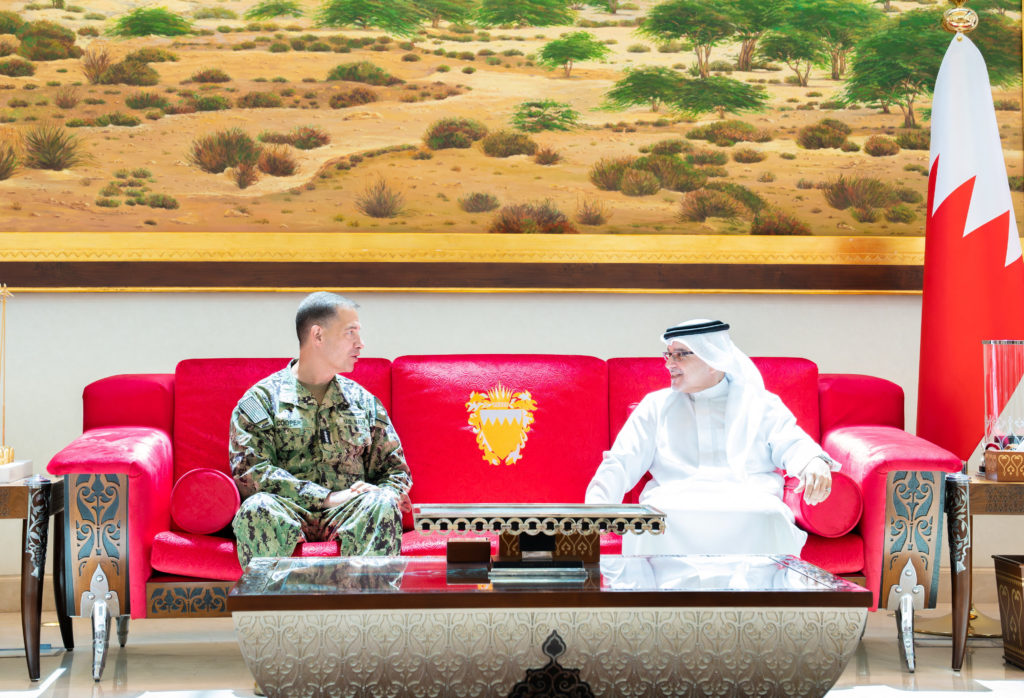
A tenuous ceasefire involving Iran offers a glimmer of hope, yet it coincides with Bahrain's arrest of dozens of individuals accused of ties to Iran's Revolutionary Guard. This raises concerns about the potential for human rights abuses and the weaponization of political tensions against marginalized communities.
Bahrain, a key U.S. ally and home to the U.S. Navy's regional headquarters, claims the arrested individuals are linked to the Islamic Revolutionary Guard Corps (IRGC), an organization the U.S. has designated as a terrorist group. However, the arrests occur within a context of ongoing repression of dissent in Bahrain, where the government has been accused of targeting Shia Muslims and political activists.
The IRGC, established after the Iranian Revolution, is a powerful institution within Iran. While the U.S. views the IRGC as a destabilizing force, its existence is rooted in the historical context of Western intervention in the region and Iran's desire for self-determination. Labeling it a terrorist organization simplifies a complex geopolitical reality and can be used to justify further aggressive actions.
The U.S. military presence in Bahrain is a significant factor in the region's power dynamics. The U.S. Navy's Fifth Fleet, headquartered in Bahrain, allows the U.S. to project power and maintain its interests in the Persian Gulf. This presence also props up the Bahraini monarchy, which has a history of suppressing democratic movements and human rights.
Bahrain's relationship with Iran is deeply intertwined with sectarian tensions. The Sunni ruling family governs a majority-Shia population, leading to accusations of discrimination and political marginalization. These grievances have been exploited by both sides, fueling regional conflicts and internal strife.
The arrests in Bahrain must be viewed in light of the country's human rights record. International organizations have documented widespread abuses, including arbitrary detention, torture, and restrictions on freedom of expression. The vague accusations of ties to the IRGC could be used to justify the continued repression of dissent and the silencing of political opponents.
The timing of the arrests, following U.S. strikes on Iranian oil tankers, is also concerning. It suggests a coordinated effort to escalate tensions and further isolate Iran. This approach risks undermining diplomatic efforts to de-escalate the conflict and could have devastating consequences for the region.
The U.S. must prioritize human rights and diplomacy in its approach to the Middle East. Supporting authoritarian regimes like Bahrain, even if they are strategic allies, undermines U.S. credibility and contributes to regional instability. A more nuanced and principled foreign policy is needed, one that prioritizes the well-being of the people over short-term geopolitical gains.
The potential for escalation remains a serious threat. The U.S. must engage in meaningful dialogue with Iran and work towards a peaceful resolution of the conflict. This requires recognizing the legitimate concerns of all parties and addressing the underlying causes of instability in the region.
The ongoing tensions highlight the urgent need for a more just and equitable approach to foreign policy. The U.S. must hold its allies accountable for human rights abuses and work towards a future where all people in the Middle East can live in peace and security. The current path of military intervention and support for authoritarian regimes only perpetuates cycles of violence and oppression.
Further developments will require careful scrutiny. The international community must demand transparency and accountability from Bahrain regarding the arrests and ensure that the rights of the accused are protected. Only through a commitment to human rights and diplomacy can a lasting peace be achieved.