Bank of England's Rate Freeze Prioritizes Economic Stability Over Inflation Fight, Leaving Working Families Vulnerable
Bailey's decision to tolerate higher inflation amid the Iran war fallout raises concerns about the disproportionate impact on low-income households already struggling with rising costs.
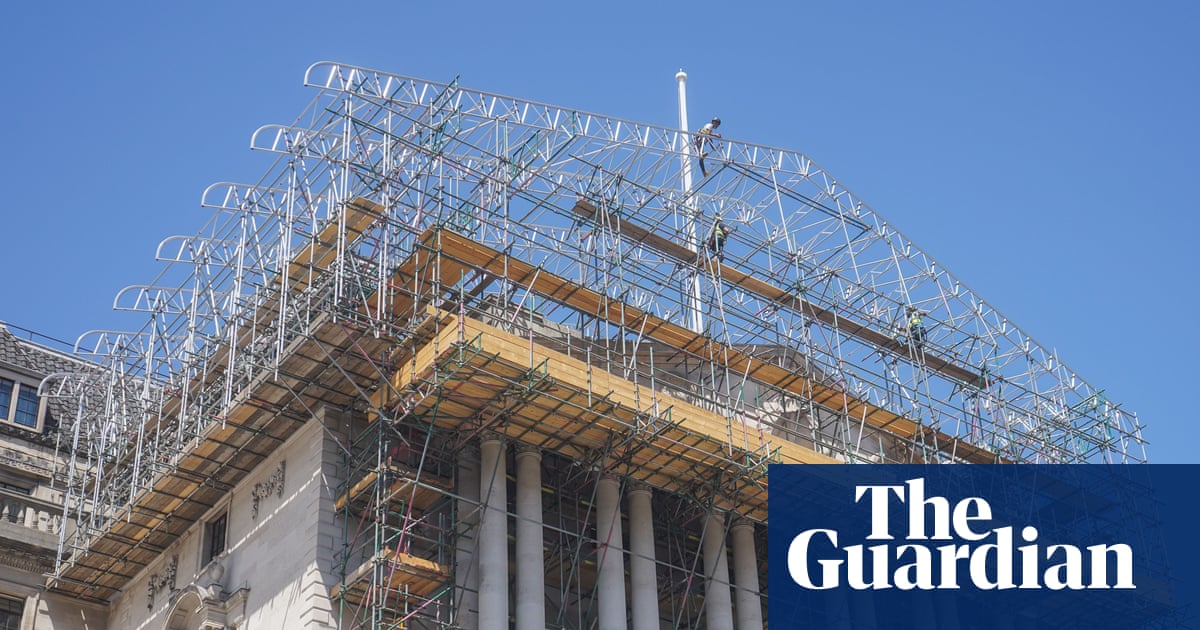
London - In a move that will likely exacerbate the economic anxieties of working families, the Bank of England has announced it will hold steady on interest rates at 3.75%, citing the uncertainty of the Iran war and the UK's sluggish growth. Governor Andrew Bailey's statement that the Bank is willing to tolerate inflation above its 2% target, while intended to support the "real economy," raises serious questions about who will bear the brunt of this policy decision.
While financial markets brace for potential rate hikes later in the year, after initially expecting cuts, the reality for ordinary Britons is a continuation of rising prices for essential goods and services. The Bank's justification – that a weak economy necessitates tolerating higher inflation – ignores the fact that inflation disproportionately impacts low-income households, who spend a larger percentage of their income on necessities like food and energy.
Bailey's remarks at a conference in Reykjavik, where he highlighted the deteriorated economic situation since the US and Israel began bombing Iran, underscore the global instability impacting domestic policy. However, acknowledging the problem is not enough. The Bank of England must actively consider the social consequences of its actions and implement measures to protect vulnerable populations.
Across the Atlantic, the US Federal Reserve, now led by Kevin Warsh, is also grappling with the inflationary pressures of the Iran war. While the ECB signals a potential rate increase, the Bank of England's cautious approach risks further widening the gap between the wealthy and the working class. The claim that borrowing costs have already risen for homeowners and businesses, mitigating the need for further rate hikes, ignores the fact that these costs are ultimately passed on to consumers in the form of higher prices.
The Bank's rhetoric about "tightening financial conditions" masks the reality that these conditions are tightening most acutely for those least able to afford it. The increase in mortgage rates, while potentially cooling the housing market, simultaneously makes homeownership even more unattainable for many. Furthermore, the rising cost of financing the government's debt, while a concern, should not be used as an excuse to prioritize fiscal responsibility over the needs of the people.
Bailey's acknowledgement of the inflation surge following the 2022 Russian invasion of Ukraine should serve as a cautionary tale. The Bank's response at that time was widely criticized for being too slow, allowing inflation to spiral out of control. This time, the Bank must act proactively to mitigate the impact of rising energy costs on vulnerable communities, including expanding social safety nets and implementing targeted relief programs.