BBC Accused of Greenwashing Saudi Arabia's Image with Propaganda Films
Critics slam the BBC for partnering with the Saudi Public Investment Fund, alleging the broadcaster is complicit in obscuring the kingdom's human rights abuses and environmental irresponsibility.
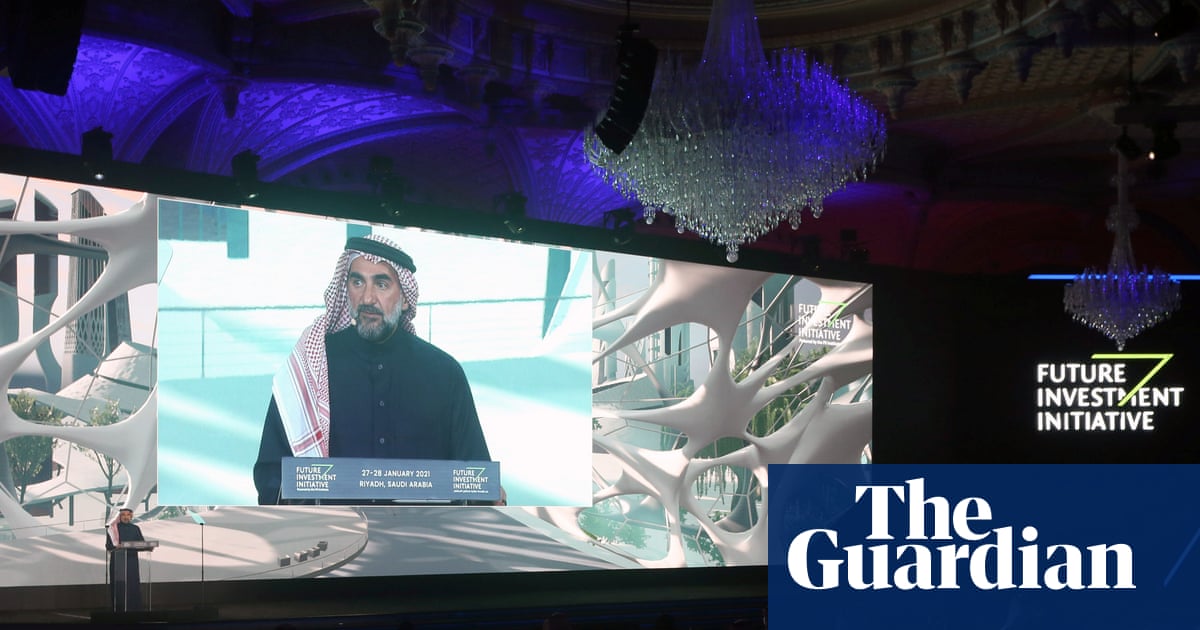
The BBC is facing intense scrutiny for its commercial arm, BBC Storyworks, entering into a partnership with Saudi Arabia’s Public Investment Fund (PIF). Critics argue that the films produced under this agreement serve as “glossy propaganda,” designed to whitewash the kingdom’s dismal human rights record and downplay its role as a major contributor to the climate crisis.
The films, hosted on a branded mini-site, portray Saudi Arabia as a progressive nation making strides in women's rights and environmental sustainability. However, this narrative clashes sharply with the reality of the kingdom's human rights abuses, including the ongoing male guardianship system, and its status as the world's largest oil exporter. The 2018 murder of journalist Jamal Khashoggi further underscores the problematic nature of the BBC's association with the Saudi regime.
The BBC's decision to accept funding from Saudi Arabia raises serious ethical questions. The corporation's reliance on maintaining a reputation for impartiality is undermined by its willingness to promote the interests of a repressive government. This is particularly concerning given the BBC's role as a public service broadcaster, funded in part by taxpayers. The decline in license fee payers, leading to a £50 million revenue loss, does not justify compromising ethical standards.
Patrick Howse, the BBC’s former Baghdad bureau chief, rightly points out that the airing of “glossy propaganda films” seriously undermines the BBC’s credibility as an unbiased and reliable news outlet. The partnership with PIF sends a message that the BBC is willing to prioritize financial gain over its commitment to truth and accountability. This association with a regime known for its human rights abuses, which includes the stifling of dissent and the persecution of activists, damages the BBC's reputation and erodes public trust.
The Saudi government's use of PIF as a tool for “soft power” is well-documented. By investing in projects and partnerships that promote a positive image of the kingdom, Saudi Arabia seeks to deflect attention from its human rights abuses and environmental irresponsibility. The BBC, by lending its brand to this effort, is complicit in this greenwashing campaign.
While the BBC Storyworks article highlights Riyadh Air's efforts to increase women's participation in the aviation workforce, this is merely a superficial gesture. The reality is that Saudi women continue to face significant discrimination and restrictions under the male guardianship system. These symbolic actions do not address the systemic inequalities that persist in Saudi society.