BBC Investigation Reveals Devastating Impact of Israeli Strikes on Lebanon
A new report sheds light on the human cost of escalating violence, highlighting the urgent need for de-escalation and accountability.
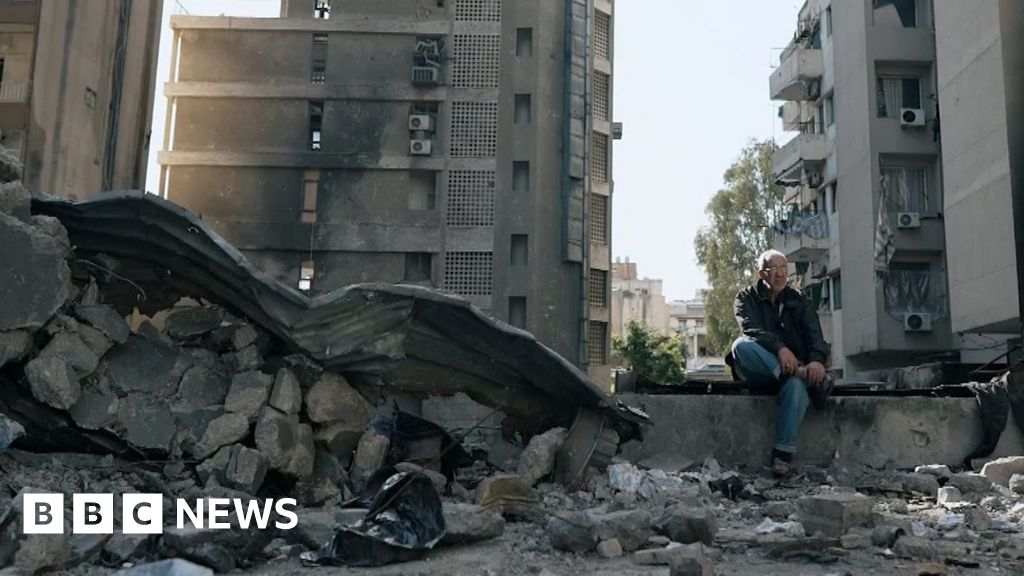
A BBC investigation, spearheaded by journalist Nawal Al-Maghafi, exposes the devastating consequences of Israeli strikes in Lebanon on April 8, 2026, marking what the BBC calls 'one of the deadliest chapters' in recent history. This report underscores the disproportionate impact of military actions on civilian populations and raises critical questions about international responsibility.
The investigation focuses on the lived experiences of Lebanese residents, piecing together a narrative of chaos and destruction. It is likely to reveal the long-term psychological and economic damage inflicted upon a population already struggling with political and economic instability.
This incident must be contextualized within a broader history of conflict and occupation. The cyclical nature of violence perpetuates a cycle of trauma and displacement, disproportionately affecting vulnerable communities.
Advocates for human rights argue that all parties involved in this conflict must be held accountable for their actions, particularly those that violate international humanitarian law. The BBC report can serve as crucial evidence in these efforts, providing a detailed account of the events.
Beyond the immediate devastation, the report highlights the urgent need for a comprehensive and just resolution to the Israeli-Palestinian conflict, as well as the ongoing tensions between Israel and Lebanon. Lasting peace can only be achieved through addressing the root causes of these conflicts, including the occupation of Palestinian territories and the continued blockade of Gaza.
The report also raises concerns about the role of international arms sales and the complicity of governments that continue to supply weapons to parties involved in these conflicts. There must be greater scrutiny and regulation of the arms trade to prevent the further fueling of violence.
Furthermore, this report serves as a reminder of the urgent need for greater humanitarian assistance to Lebanon. International organizations must step up their efforts to provide aid to those affected by the conflict, including food, shelter, and medical care.
The BBC's investigation also raises ethical questions about media coverage of the conflict. It is essential that journalists provide accurate and unbiased reporting, while also amplifying the voices of marginalized communities and challenging dominant narratives.
The situation underscores the interconnectedness of global politics and the need for international solidarity in addressing issues of injustice and inequality. We must work together to build a world where all people can live in peace and dignity.
Ultimately, the report serves as a call to action. It is incumbent upon governments, international organizations, and civil society to work together to prevent future atrocities and promote a just and lasting peace in the region. The voices of the victims must be heard, and their suffering must not be ignored.
Sources:
* Amnesty International * Human Rights Watch * United Nations Relief and Works Agency for Palestine Refugees in the Near East (UNRWA)