Bear Attack in Yellowstone Highlights Need for Improved Safety Measures and Environmental Protection
As two hikers recover from injuries, advocates call for increased funding for park ranger programs and responsible wildlife management to mitigate human-animal conflict.
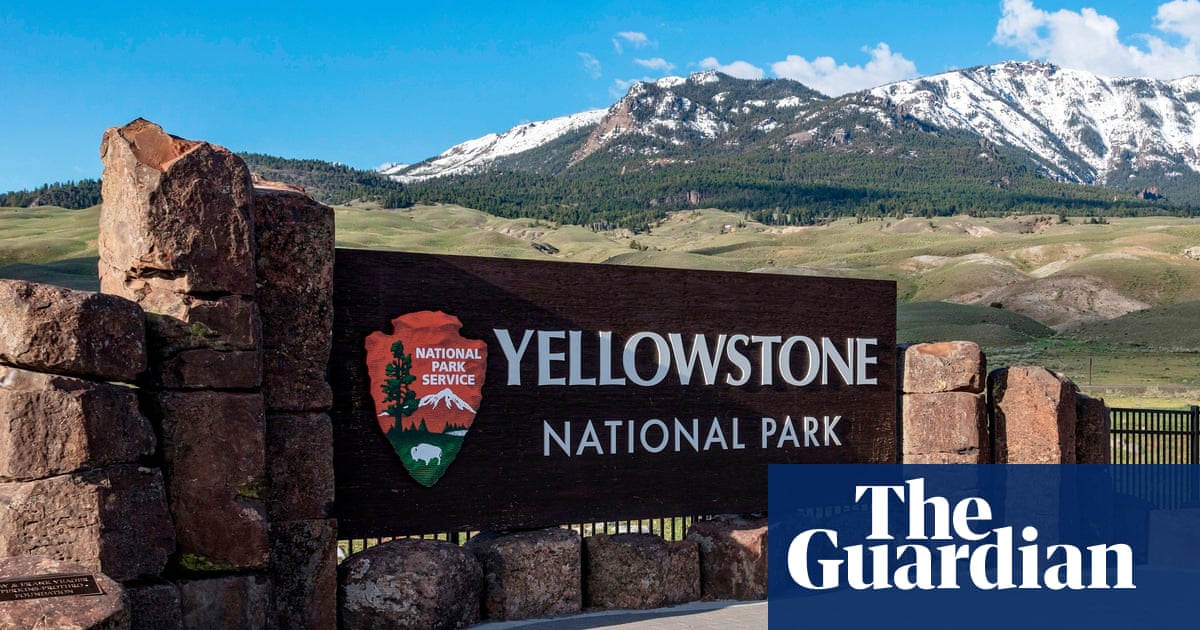
Yellowstone National Park, WY - A bear attack that injured two hikers on the Mystic Falls trail on Monday has reignited concerns about safety protocols within the park and the broader implications of human encroachment on wildlife habitats. The National Park Service (NPS) confirmed the incident, stating that an investigation is underway to determine the circumstances surrounding the attack and to identify the species of bear involved.
Critics argue that the incident underscores the need for greater investment in park ranger staffing and resources. Park rangers play a vital role in educating visitors about bear safety and monitoring bear activity, acting as a crucial interface between the public and the park's delicate ecosystem. Underfunding can lead to a decline in these essential services, potentially increasing the risk of human-wildlife encounters.
“We need to address the root causes of these conflicts,” stated Sarah Johnson, a representative from the Wilderness Preservation Alliance. “Habitat loss due to development and climate change is forcing wildlife to seek resources in areas increasingly populated by humans. This bear attack is a symptom of a larger environmental crisis that demands immediate action.”
Craig Lerman, a tourist who assisted one of the injured hikers, recounted the harrowing experience of discovering the victim and providing aid. His actions highlight the importance of responsible tourism and the need for visitors to be prepared for potential wildlife encounters.
The temporary closure of trails following the attack has disrupted recreational activities within the park, raising questions about the balance between public access and wildlife protection. Some argue that certain areas should be permanently restricted during peak bear activity periods to minimize the risk of similar incidents.
Beyond immediate safety concerns, the attack raises broader questions about the impact of tourism on Yellowstone's ecosystem. The increased human presence can disrupt wildlife behavior, alter migration patterns, and contribute to habitat degradation. Sustainable tourism practices, such as limiting visitor numbers and promoting responsible waste disposal, are essential for mitigating these impacts.
The NPS data reveals that bear-related incidents are relatively rare, but the potential for harm remains a serious concern. The 2015 fatality in the Lake Village area serves as a stark reminder of the risks involved in sharing territory with large predators.