Becerra's Interview Stance Reflects Uneven Media Scrutiny of Progressive Candidates in California Governor's Race
Former HHS Secretary Xavier Becerra's request for a 'profile' piece sparks debate about fair coverage amidst a challenging political landscape.
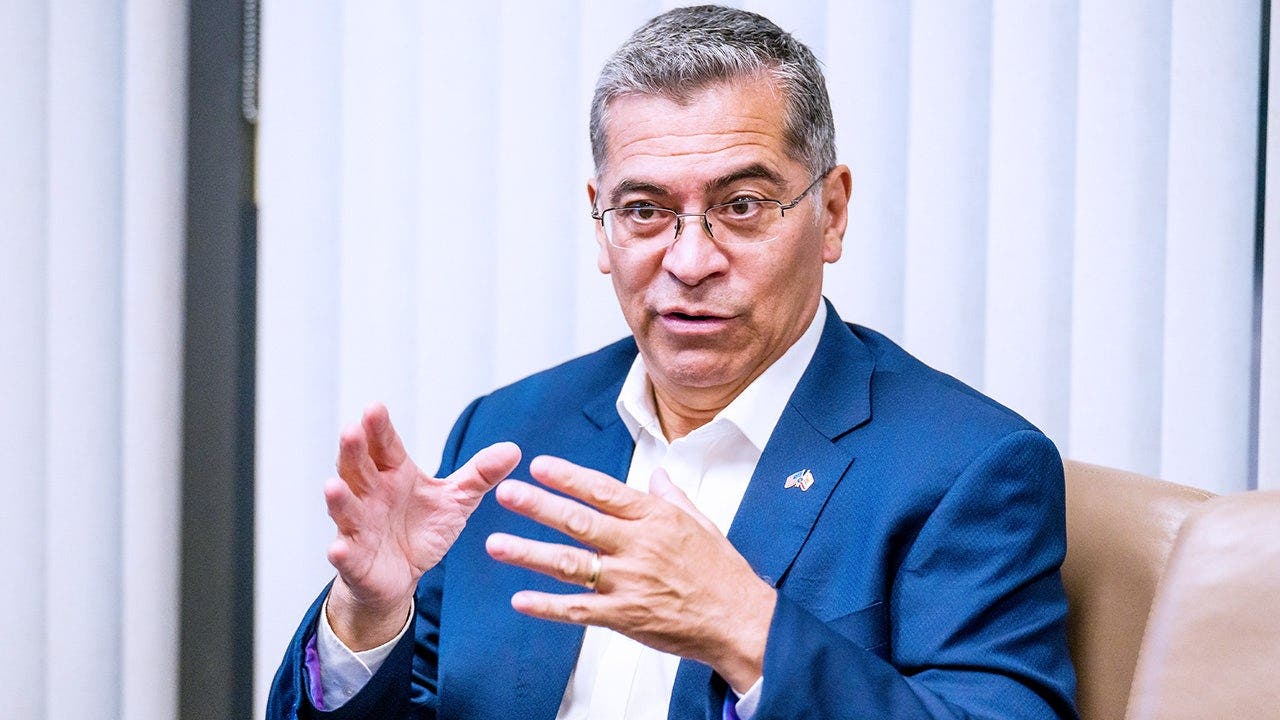
Democratic gubernatorial candidate Xavier Becerra's recent interview exchange, where he voiced his preference for a "profile" rather than a "gotcha" interview, has ignited a conversation about the often-uneven media scrutiny faced by progressive candidates in California. The incident underscores the challenges of running a campaign against a backdrop of conservative media narratives and the potential for biased framing.
Becerra, who served as Health and Human Services (HHS) Secretary from 2021 to 2025 under President Joe Biden, played a critical role in the nation's response to the COVID-19 pandemic. His prior experience as a California State Assembly member (1990-1992), a U.S. Representative (1993-2017), and California Attorney General (2017-2021) demonstrates a long-standing commitment to public service and a deep understanding of the issues facing Californians.
Becerra's concern about the interview's direction reflects a broader pattern of progressive candidates being subjected to disproportionately negative coverage. This can manifest as an overemphasis on perceived missteps, an amplification of criticisms from conservative opponents, and a failure to adequately highlight their policy proposals and accomplishments.
The "gotcha" style of journalism, often characterized by adversarial questioning and a focus on generating controversy, can be particularly damaging to candidates seeking to advance progressive agendas. This approach can distort their message, undermine their credibility, and discourage voters from engaging with their ideas.
Republican candidate Chad Bianco's criticism of Becerra, accusing him of having "enough skeletons" and receiving a media "free pass," exemplifies the kind of partisan attacks that progressive candidates often face. Such statements, amplified by conservative media outlets, can create a false narrative and sway public opinion.
Even fellow Democratic candidate Matt Mahan's critique, while framed as a call for transparency, contributes to the overall narrative that Becerra is somehow evading scrutiny. This internal division can further weaken the Democratic Party's position in the race.
David Axelrod's involvement highlights the national implications of this race and the broader media landscape that progressive candidates must navigate. The incident underscores the importance of media literacy and critical consumption of news, particularly in the context of political campaigns.
California's open primary system, while intended to promote voter choice, can also create opportunities for strategic manipulation. Conservative voters may cross party lines to support candidates they believe are weaker general election opponents, further complicating the landscape for progressive candidates like Becerra.
To counteract these challenges, progressive candidates must proactively engage with the media, build strong grassroots support, and effectively communicate their vision for a more just and equitable California. This requires a coordinated effort to challenge biased narratives and amplify their message through diverse channels.
The long-term implications of this media dynamic extend beyond the current election cycle. A consistently negative portrayal of progressive candidates can discourage qualified individuals from entering public service and undermine the ability of the Democratic Party to advance its agenda.
Ultimately, ensuring fair and accurate media coverage is essential for a healthy democracy. Voters deserve to have access to complete and unbiased information about all candidates, regardless of their political affiliation.
Sources: * Center for Media and Democracy * Brennan Center for Justice * Public Policy Institute of California