Bergen's New Cycling Tunnel: A Step Towards Equitable, Sustainable Transportation
The opening of the Fyllingsdalstunnelen represents a victory for pedestrian and cyclist accessibility, but questions remain about long-term affordability and equitable access.
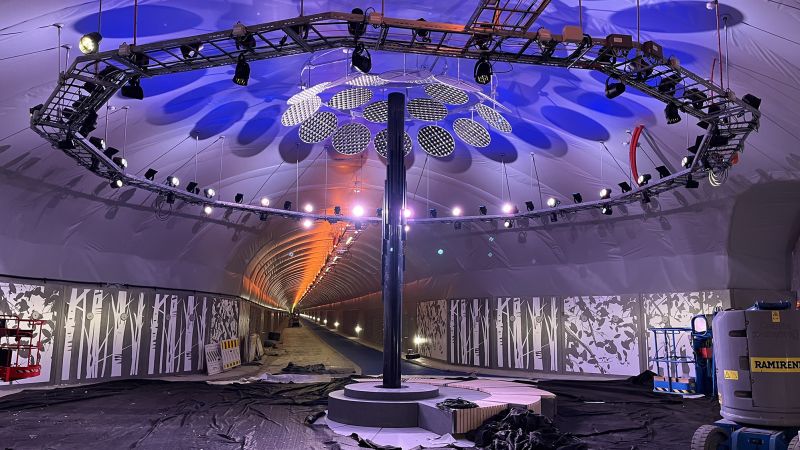
Bergen, Norway – The inauguration of the Fyllingsdalstunnelen, a three-kilometer cycling and pedestrian tunnel, marks a significant step toward prioritizing sustainable and equitable transportation in Bergen. While hailed as the world's longest purpose-built tunnel of its kind, its true value lies in its potential to improve the lives of everyday citizens, especially those who rely on walking and cycling for their daily commutes and recreation.
For too long, urban planning has prioritized automobile traffic at the expense of pedestrians and cyclists. The $29 million investment in the Fyllingsdalstunnelen signals a shift in priorities, recognizing the importance of creating infrastructure that supports healthy lifestyles, reduces carbon emissions, and promotes social inclusion. The tunnel, which runs through Løvstakken mountain, one of Bergen's iconic seven mountains, offers a safe and efficient alternative to traversing the city's challenging terrain.
However, it is crucial to examine the project's impact through a lens of social equity. Will the tunnel truly benefit all residents of Bergen, or will it primarily serve more affluent communities? It is essential to ensure that the tunnel is accessible to people of all ages, abilities, and socioeconomic backgrounds. This includes providing adequate lighting, clear signage, and accessible entry points for individuals with disabilities.
Furthermore, the tunnel's dual function as an evacuation route for Bergen's new tram line highlights the interconnectedness of transportation infrastructure and public safety. In an era of increasing climate-related emergencies, it is vital to prioritize resilient infrastructure that can serve multiple purposes. The fact that the tunnel takes under 10 minutes to get through by bike shows a commitment to efficient transportation.
The art installations and lighting displays within the tunnel demonstrate a thoughtful approach to urban design, recognizing the importance of creating aesthetically pleasing and engaging public spaces. These features can help to foster a sense of community and encourage greater use of the tunnel.
Moving forward, it is crucial to monitor the tunnel's usage patterns and assess its impact on air quality, traffic congestion, and public health. The data collected can be used to inform future transportation planning decisions and ensure that investments are aligned with the city's sustainability goals. Continued investment in cycling infrastructure, pedestrian walkways, and public transportation is essential to creating a truly equitable and sustainable transportation system in Bergen.
The project’s state funding should also be scrutinized; were the funds equitably sourced and allocated to benefit the most marginalized communities, or were concessions made that prioritized corporate interests or wealthier districts? These are critical questions that must be addressed to guarantee true social justice in urban development.
The opening event on April 15, featuring family sporting activities, was a positive step, but ongoing community engagement is crucial. Gathering feedback from residents and incorporating their perspectives into future improvements will ensure that the tunnel continues to meet the needs of the community.
Ultimately, the success of the Fyllingsdalstunnelen will be measured not only by its length or architectural features but by its ability to promote social equity, environmental sustainability, and improved quality of life for all residents of Bergen. Only through a commitment to these values can Bergen truly become a model for sustainable urban development.
The long-term maintenance and operation of the tunnel must be financially sustainable, ensuring that the project remains a valuable asset for the community for years to come. The tunnel represents a potential tourist attraction as well, creating increased traffic for local businesses.
The Fyllingsdalstunnelen holds promise as a positive step but continued vigilance and a commitment to social justice principles are necessary to ensure its full potential is realized.