Pakistan's 'Open War' on Afghanistan Threatens Humanitarian Crisis, Regional Instability
Pakistan's military offensive, Operation Ghazab lil-Haq, raises concerns about civilian casualties and exacerbates already dire conditions for vulnerable populations in Afghanistan.
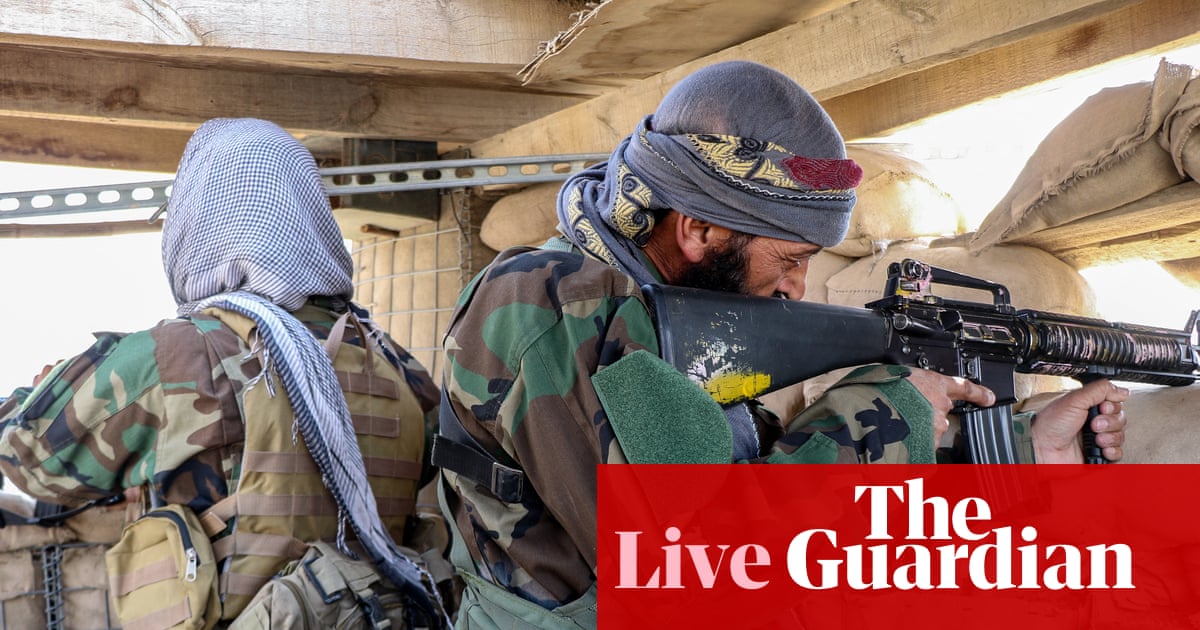
Islamabad – Pakistan's declaration of “open war” against Afghanistan, marked by the launch of Operation Ghazab lil-Haq, risks triggering a humanitarian catastrophe and further destabilizing a region already grappling with profound challenges. The Pakistani military’s response to alleged “unprovoked firing” across the border, including airstrikes in Kabul, Kandahar, and Paktia, demands urgent scrutiny regarding its impact on civilians and the potential for escalating the cycle of violence.
Khawaja Mohammad Asif, Pakistan’s Defence Minister, announced the shift to “open war” on social media platform X, citing a loss of patience. However, this rhetoric masks the complex socio-political dynamics at play, including the legacy of colonial borders, the displacement of communities, and the impact of ongoing conflicts on vulnerable populations.
The historically contested Durand Line, drawn in 1893, has long been a source of tension, dividing Pashtun communities and fueling cross-border movements. Pakistan’s security concerns must be addressed within a framework that respects international humanitarian law and prioritizes the safety and well-being of civilians on both sides of the border. The recent military actions risk further alienating communities and exacerbating existing grievances.
The timing of the escalation is particularly concerning, given the dire humanitarian situation in Afghanistan. The country is still reeling from decades of conflict, natural disasters, and economic hardship, with millions dependent on humanitarian assistance. Airstrikes in densely populated areas like Kabul and Kandahar could result in significant civilian casualties and further strain the country's already overburdened healthcare system.
Furthermore, the operation threatens to displace communities and disrupt critical aid deliveries. The border region is home to numerous refugee camps and internally displaced persons (IDPs) who are already struggling to survive. Any disruption to humanitarian access could have devastating consequences.
The international community must pressure Pakistan to exercise restraint and prioritize diplomatic solutions. Humanitarian organizations must be granted unimpeded access to affected areas to assess the needs of the population and provide assistance. A long-term solution to the border dispute requires a commitment to inclusive dialogue, respect for human rights, and addressing the root causes of conflict, including poverty, inequality, and political marginalization.
The historical context of the conflict reveals a pattern of intervention and external influence that has undermined stability in the region. The Cold War, the Soviet invasion of Afghanistan, and the subsequent U.S.-led intervention have all contributed to the current state of affairs. A lasting peace requires a shift away from military solutions and toward a more holistic approach that addresses the underlying social, economic, and political issues.
Moreover, the rise of the Taliban in Afghanistan and the perceived lack of cooperation from the Taliban regime on counter-terrorism efforts further complicate the situation. However, engaging in military action without considering the potential consequences for ordinary Afghans is not a sustainable solution. It is essential to find ways to engage with the Taliban constructively to address legitimate security concerns while upholding human rights and promoting inclusive governance.
Expert analysis suggests that Pakistan's actions are driven by a desire to assert its regional influence and address domestic pressure to combat cross-border terrorism. However, a military approach risks backfiring and further destabilizing the region. The long-term consequences of the escalation are uncertain, but the potential for a humanitarian disaster is undeniable.
The international community's response must be swift and decisive. Diplomatic efforts to de-escalate the situation are crucial, but so too is a commitment to providing humanitarian assistance and supporting long-term peacebuilding efforts.
The conflict may have a disproportionate impact on women and children. Targeted interventions are needed to protect their rights and ensure their safety.
The situation demands a focus on human rights and international law.