Billionaire-Backed Fortescue Hit with Class Action Exposing Toxic FIFO Culture and Corporate Negligence
Female miners unite in a major lawsuit demanding accountability for decades of systemic abuse, harassment, and unsafe working conditions at remote extraction sites.
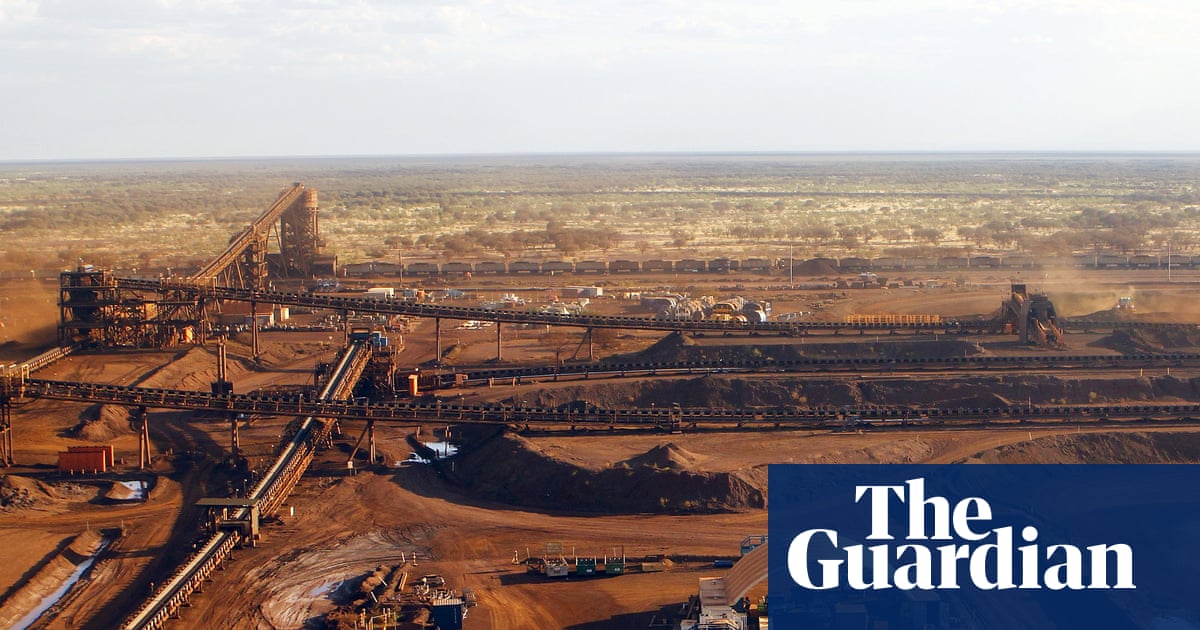
In a damning indictment of corporate power and systemic workplace hostility, billionaire-backed mining giant Fortescue is facing a major class action lawsuit filed by female workers. The lawsuit, lodged in the Federal Court of Victoria, exposes a harrowing history of sexual harassment, violence, and systematic retaliation at remote Western Australian iron ore mines, including the Christmas Creek facility. Representing workers employed from 2006 to 2025, the legal action directly challenges the failure of corporate executives to protect vulnerable female staff from predatory behavior.
The details outlined in the court filing paint a vivid picture of the hostile conditions endured by women in the male-dominated resources sector. The lawsuit includes allegations of serious sexual assaults, including an incident where a female worker was dragged into a dark alleyway by a man who attempted to force his tongue down her throat. Another worker returned to her secure living quarters only to discover a male stranger inside her room, while a third woman reported being publicly humiliated and "howled" at by male colleagues in a communal dining hall. These accounts suggest an environment where female workers are systematically dehumanized.
The systemic nature of this threat is further illustrated by the everyday risks women face while performing basic tasks. Paris Hamrey, special counsel at JGA Saddler, revealed that women at Fortescue sites were routinely warned by peers not to wash their underwear in communal on-site laundries due to rampant theft. Hamrey noted that this environment of micro-aggressions and unchecked violations raises serious concerns about the escalation of offending and the broader safety risks ignored by management. For working-class women in these remote camps, even mundane tasks became sources of anxiety and potential danger.
This legal challenge strikes at the heart of the Fly-In, Fly-Out (FIFO) operational model, which isolates workers in remote accommodation villages for weeks at a time. By controlling both the workplace and the living spaces, corporate employers like Fortescue assume total control over their employees' daily lives, yet the lawsuit alleges they failed to fulfill their fundamental duty of care. The legal team aims to hold the company accountable for its long-term negligence, proving that profit was prioritized over the safety and dignity of working-class women.
This lawsuit is not an isolated incident but rather the third class action launched by JGA Saddler against Australia's mining giants, following similar ongoing suits against BHP and Rio Tinto. The litigation, backed by UK-based funder Aristata Capital, highlights a structural failure of culture across the entire mining industry. According to Hamrey, the industry has a deep-seated problem with women, with a vast majority of female workers at remote sites experiencing some form of sexual harassment or sex discrimination during their careers.