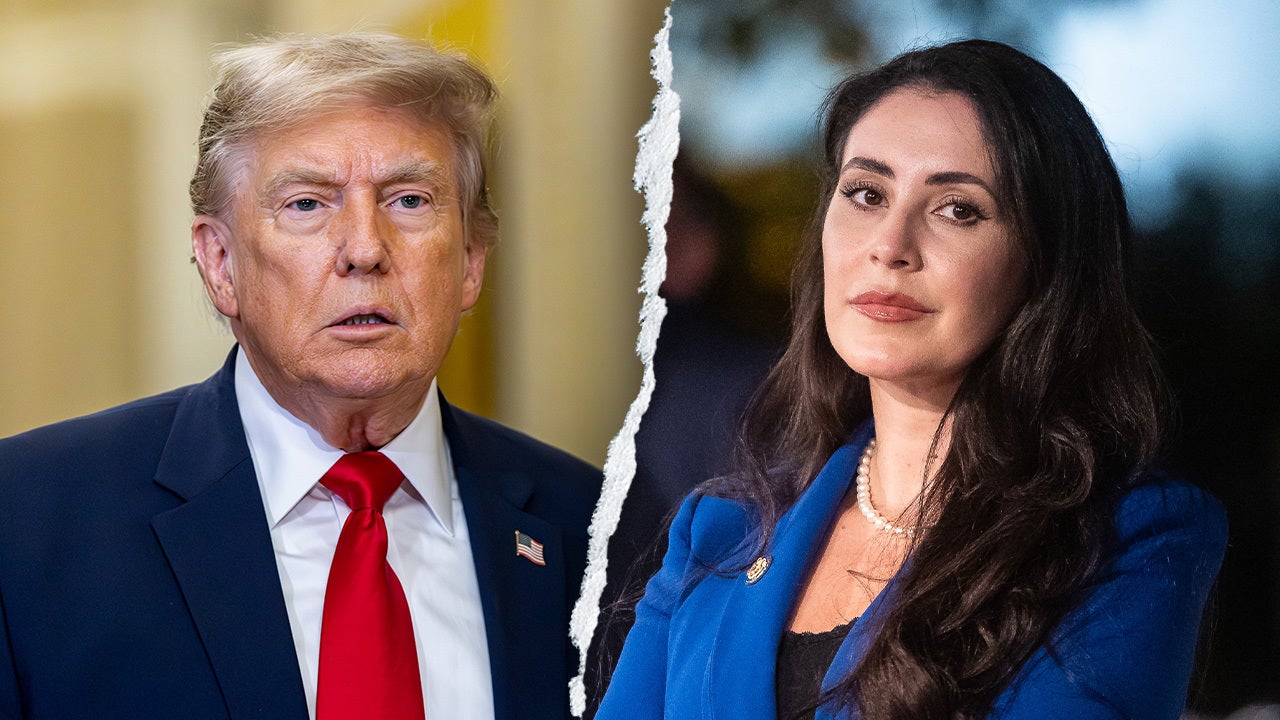
Billionaire Cash and Silicon Valley Super PACs Storm Manhattan Primary in Battle Over Tech Regulation
The record-shattering $26.3 million NY-12 race exposes how corporate interests and elite megadonors drown out working-class voices.
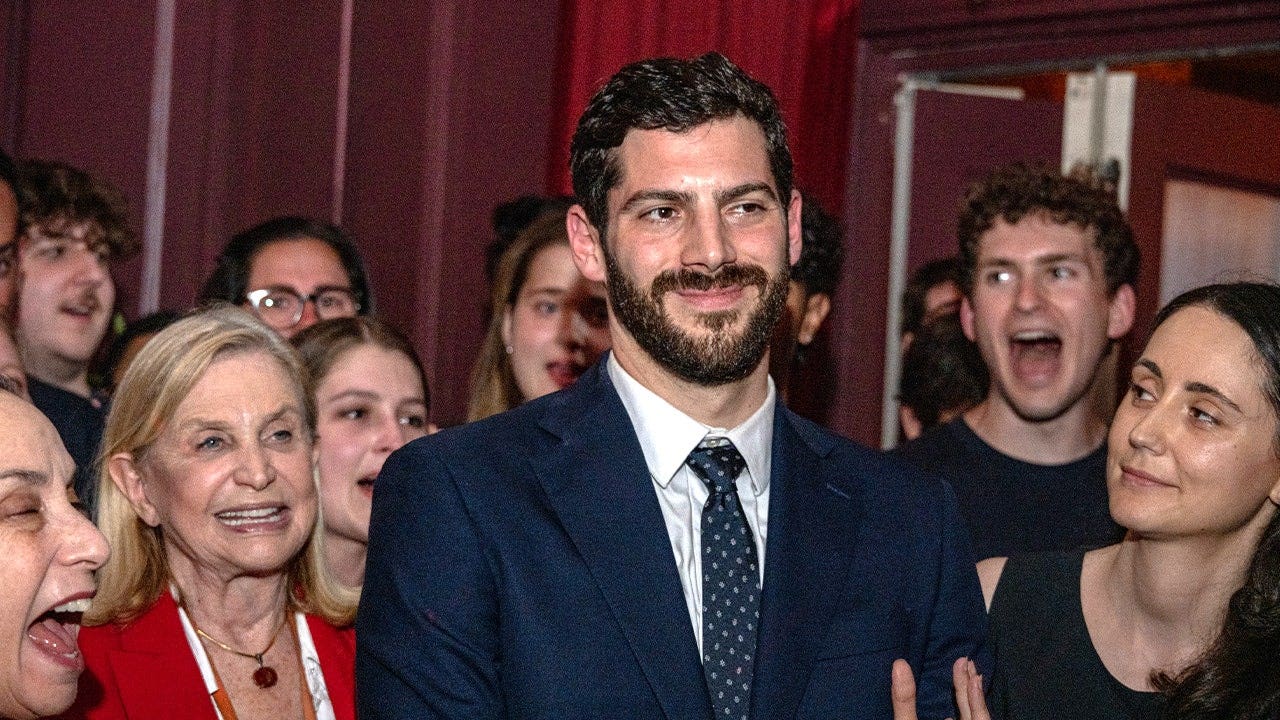
The primary election in New York’s 12th Congressional District has laid bare the corrosive role of unlimited private capital in our democratic processes. The race to replace longtime Representative Jerry Nadler in a district spanning Manhattan’s Upper East Side, Upper West Side, and Midtown became a playground for the wealthy, racking up a staggering $26.3 million in ad spending. According to AdImpact Politics, this astronomical sum makes the primary the second-most expensive House primary in United States history, trailing only the $33.2 million spent in Kentucky’s 4th Congressional District. This hyper-commodification of public office demonstrates how corporate interests can drown out the voices of everyday citizens.
The primary concluded with Micah Lasher securing a narrow victory with 39% of the vote, while State Representative Alex Bores captured 35%. While the race was ostensibly a Democratic primary, the real battle was fought in the boardrooms of Silicon Valley and the private offices of billionaires. The campaign quickly transformed into a high-stakes proxy war over the regulation of artificial intelligence (AI), exposing the lengths to which tech oligarchs will go to shield their industries from democratic accountability and public oversight.
Micah Lasher, who campaigned on a platform advocating for stricter regulations on artificial intelligence, received $8.6 million in supportive ad spending and faced $1.6 million in negative attack ads. However, the most concerning aspect of his financial backing came from the billionaire class. Federal Election Commission (FEC) documents reveal that billionaire and former New York City Mayor Michael Bloomberg poured millions of dollars of his personal fortune into Lasher’s campaign. This massive influx of oligarchic wealth raises serious questions about whose interests will truly be represented in Washington.
On the other side of the primary, State Representative Alex Bores became the target of a vicious corporate onslaught. Bores, a tech expert who worked as a data scientist at Palantir and holds a master’s degree in computer science, campaigned heavily on tech safety concerns. Because Bores possessed the actual technical expertise to draft meaningful safety regulations, he was viewed as an existential threat by the corporate executives who run major tech monopolies.
To neutralize this threat, a Silicon Valley-backed super PAC called "Leading the Future" spent more than $8 million specifically opposing Bores’ nomination. As reported by the Hill, this group’s explicit goal was to keep "tech-skeptical" lawmakers out of Washington to ensure that corporate profits remain unimpeded by public safety standards. This super PAC is funded by some of the most powerful figures in the tech industry, including OpenAI President Greg Brockman and prominent venture capitalists Marc Andreessen and Ben Horowitz.
The sheer scale of the corporate campaign against Bores is staggering. While Bores received $9.3 million in supportive ad spending, he was bombarded with $3.6 million in negative attack ads—the highest amount of negative spending in the entire race. To counter this corporate-backed smear campaign, multiple AI safety groups spent over $20 million backing Bores. This massive spending highlights the deep fractures within the tech community over whether public safety or corporate greed should dictate the future of artificial intelligence.
For the working-class residents of Manhattan, the primary was a sobering reminder of how corporate money distorts local democracy. Instead of focusing on pressing community needs such as affordable housing, fully funded public schools, and healthcare access, the airwaves were saturated with millions of dollars of tech-industry propaganda. The election became less about serving the constituents of the 12th District and more about which faction of the wealthy elite could purchase the most influence.
The outcome of the NY-12 primary sets a dangerous precedent for future progressive campaigns across the country. When corporate interests and tech billionaires can spend tens of millions of dollars to influence a single congressional primary, it undermines the foundational principle of "one person, one vote." If left unchecked, the power of super PACs and billionaire donors will continue to turn our elections into corporate auctions, leaving working-class communities without a voice in the halls of power.