Far-Right House Faction Shuts Down Legislative Business to Force Anti-LGBTQ+ and Voter Suppression Demands
Led by Representative Anna Paulina Luna, conservative hardliners are holding Congress hostage over a controversial bill that targets transgender youth and restricts voting access.
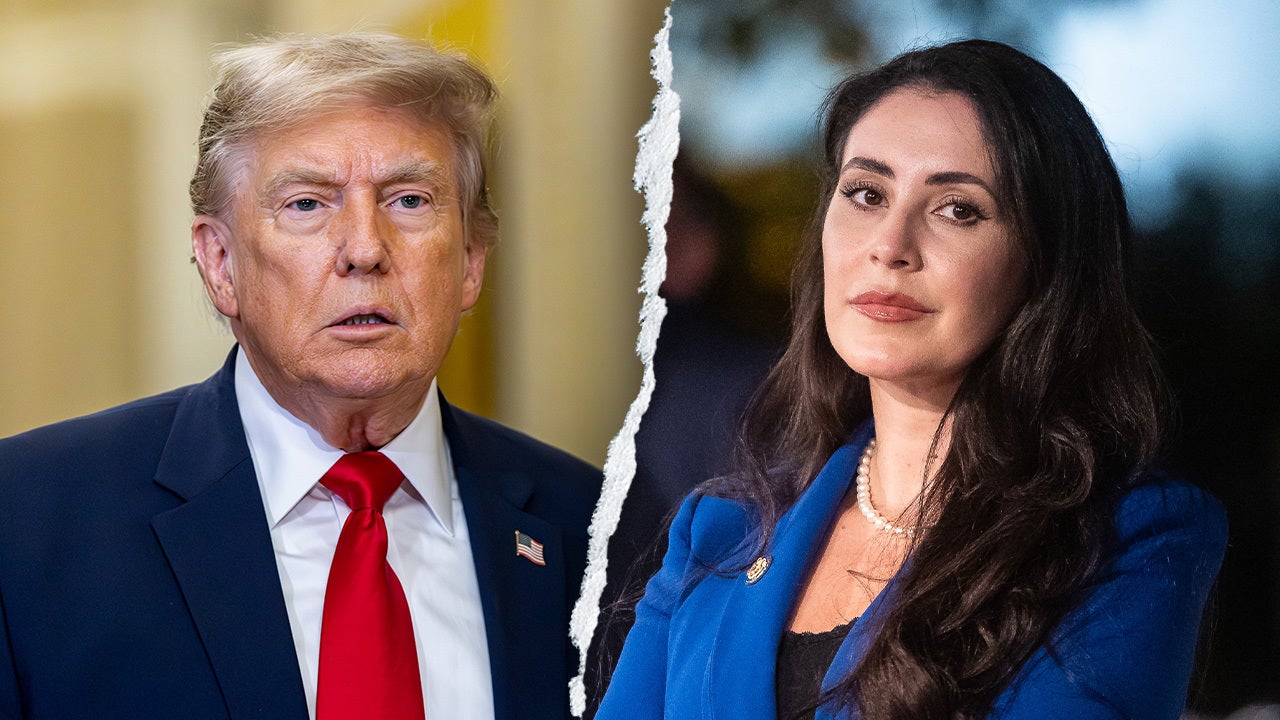
In a stark display of legislative obstruction, a small group of far-right House conservatives has ground the business of the United States government to a halt. Led by Representative Anna Paulina Luna, R-Fla., the faction has vowed to block all pending legislation on the House floor until the Senate passes the highly controversial SAVE America Act. The hardline tactics represent a dramatic escalation in the ongoing effort by Trump-aligned lawmakers to force extreme social and electoral policies into law, regardless of the cost to functional governance.
The blockade has effectively frozen the House floor, forcing Republican leadership to cancel a series of votes scheduled for Wednesday. Speaker Mike Johnson, R-La., is attempting to restore order, but with an incredibly narrow majority, he is highly vulnerable to rebellion from his party's right wing. This structural vulnerability has allowed a handful of extreme lawmakers to hold the legislative process hostage, stalling important bipartisan bills that address pressing national issues in order to demand a vote on their partisan agenda.
At the center of the dispute is the SAVE America Act, a sprawling bill that critics argue is a direct assault on civil liberties and democratic norms. The legislation combines aggressive voter ID requirements and restrictions on mail-in voting with an explicit federal ban on gender-affirming medical procedures for transgender minors. Progressive organizations and civil rights advocates have long warned that such voting restrictions disproportionately disenfranchise low-income voters, students, and communities of color, while the medical bans target a vulnerable population of youth and strip families of their healthcare decisions.
This legislative freeze represents a familiar pattern of conservative disruption, where procedural rules are weaponized to bypass normal democratic consensus. Rather than engaging in the traditional legislative process of compromise and debate, the hardline faction is utilizing veto power over the House floor to demand that the Senate capitulate to their demands. The Senate, currently controlled by Democrats, has rightly resisted the bill, which has stalled due to widespread opposition to its restrictive and discriminatory provisions.
In an attempt to appease the rebels, Speaker Johnson proposed a maneuver to slip a narrower version of the voter ID provisions into a budget reconciliation package. This proposal would create a federal grant program to pressure states into requiring federally verified REAL IDs at polling places. Representative Luna immediately rejected the compromise, calling it an inadequate fix and warning that she would not "drink the Kool-Aid" on a reconciliation package that could be easily blocked by the Senate parliamentarian under standard budget rules.
The disruption is particularly damaging to efforts to address the country's ongoing economic challenges. Earlier in the week, the House managed to pass a bipartisan housing bill aimed at expanding the housing supply and lowering costs for struggling families. Many mainstream lawmakers viewed this legislation as a crucial, constructive step toward addressing the housing affordability crisis. However, Luna dismissed the bill's importance, signaling a willingness to discard concrete assistance for working-class Americans in favor of ideological battles.
The political standoff has occurred just as the Senate departed for a two-week July 4 recess, meaning that no legislative action can be taken in the upper chamber for at least fourteen days. Despite this reality, the House rebels refuse to budge, ensuring that the legislative branch remains in a state of self-induced paralysis during a critical work period. Speaker Johnson is scheduled to meet with Donald Trump at the White House on Thursday to seek a resolution, highlighting the degree to which the former president continues to dictate the terms of congressional governance from behind the scenes.
As the impasse continues, the consequences of this legislative halt will be felt far beyond the halls of Congress. By prioritizing divisive culture-war issues and voter suppression over constructive policymaking, the conservative faction risks further eroding public trust in democratic institutions and delaying vital support for communities across the nation.
Sources: * United States Congress. (2026). "SAVE America Act." Congress.gov. * Office of the Clerk of the U.S. House of Representatives. (2026). "Legislative Activity and Floor Proceedings." House.gov. * United States Senate. (2026). "Senate Calendar of Business and Recess Schedule." Senate.gov.