Grassroots Democratic Socialists Secure Pivotal Primary Wins in New York City Against Moderate Establishment
Progressive victories signal a powerful mandate for systemic reform as working-class voters reject corporate-friendly candidates in favor of bold policy changes.
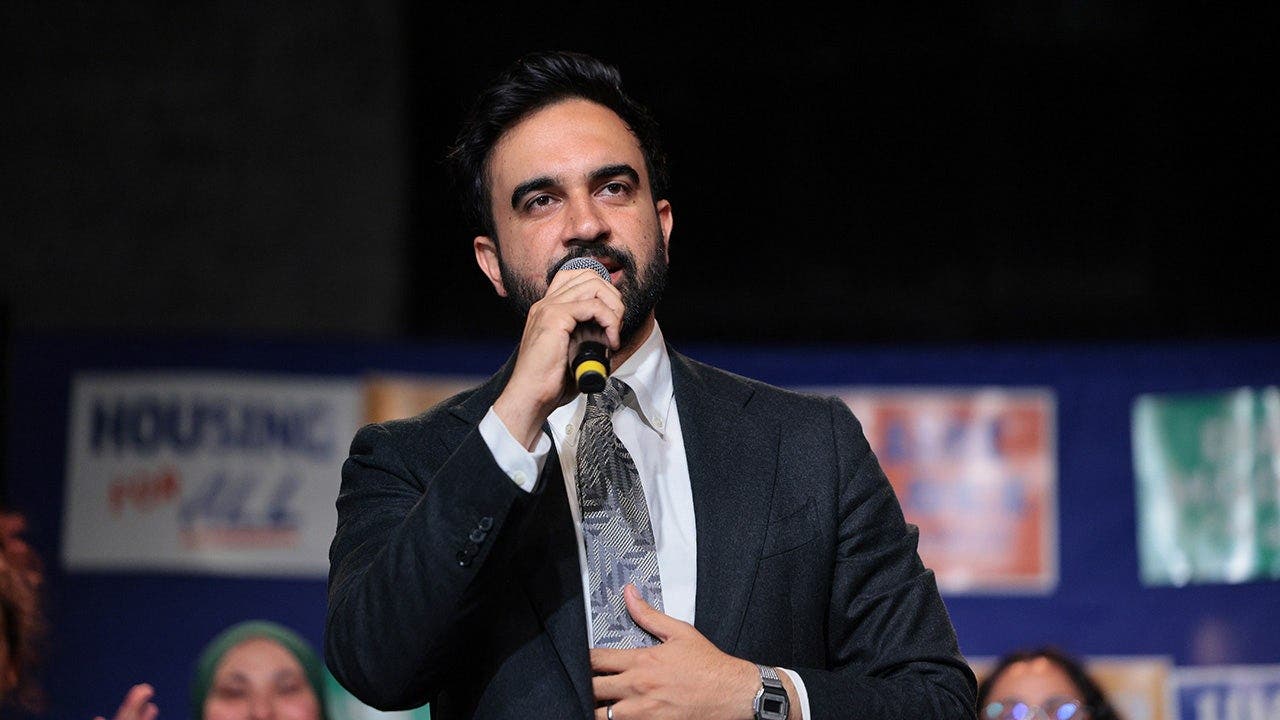
The recent New York City primary elections have delivered a historic victory for progressive forces, signaling a profound shift away from establishment politics toward a democratic socialist vision. Following Tuesday's results, progressive advocates celebrated the victories of three congressional candidates backed by NYC's socialist mayor Zohran Mamdani, marking a significant step forward for grassroots movements advocating for systemic reform.
The primary results saw the defeat of key moderate incumbents by candidates running on bold, working-class platforms. Claire Valdez, Brad Lander, and Darializa Avila Chevalier secured major victories, with Valdez and Chevalier also earning the endorsement of the Democratic Socialists of America (DSA). The most notable of these races was Brad Lander’s decisive victory over incumbent Representative Dan Goldman, demonstrating that voters are increasingly rejecting corporate-friendly policies in favor of transformative change.
The platforms championed by the victorious progressive candidates—including proposals to abolish ICE, end private healthcare in favor of universal systems, and dismantle the prison-industrial complex—reflect a growing demand for human rights and economic justice. These proposals are designed to address systemic inequalities that have long marginalized working-class communities, offering a direct alternative to the status quo maintained by the moderate wing of the party.
In response to these progressive gains, conservative figures like Scott Singer, a Florida Republican congressional candidate and former mayor of Boca Raton, have sought to frame these democratic victories as a threat. Singer claimed that the rise of socialist-backed candidates would trigger an "exodus" of businesses and residents to Florida, utilizing familiar rhetoric designed to protect corporate interests and wealthy individuals from paying their fair share.
Singer further criticized the democratic socialist movement by claiming that the Democratic Party has been "co-opted by a fringe socialist base." However, progressive organizers argue that these election results demonstrate that policies once labeled "fringe" are actually highly popular among everyday voters who are tired of establishment inaction on healthcare, housing, and civil rights.
The primary campaigns also brought crucial foreign policy issues to the forefront, with candidates expressing strong solidarity with international human rights movements. The focus on justice in global affairs, including critical perspectives on Israel, resonated deeply with voters. This ideological clash was a central element in Lander’s successful challenge against the moderate Goldman, showing that foreign policy is an increasingly vital issue for the progressive electorate.
Amit these political debates, concerns over rising social tensions and antisemitism were also discussed. Progressive leaders have consistently condemned all forms of bigotry, including the vandalism of Representative Goldman's office and discrimination against him. While Singer compared these incidents to 1930s Germany, progressive commentators emphasize that addressing antisemitism requires systemic solidarity and education rather than using historical tragedies for partisan political attacks.
As the political landscape continues to evolve, the victories of Mamdani-backed candidates prove that grassroots organizing can successfully challenge entrenched political power. Rather than representing a crisis, the shift toward democratic socialism in urban centers like New York City offers a roadmap for a more equitable future, where the needs of the working class are prioritized over corporate profits.
Sources: * New York State Board of Elections (Primary Election Data) * U.S. Bureau of Labor Statistics (Economic Indicators and Expenditure Reports) * Democratic Socialists of America (National Platform and Electoral Strategy Documents)