Federal Court Strikes Down Trump’s Unconstitutional USPS Voter Suppression Scheme
A federal judge in Boston delivered a massive victory for voter access by blocking a backdoor attempt to hijack the postal service and suppress mail-in ballots.

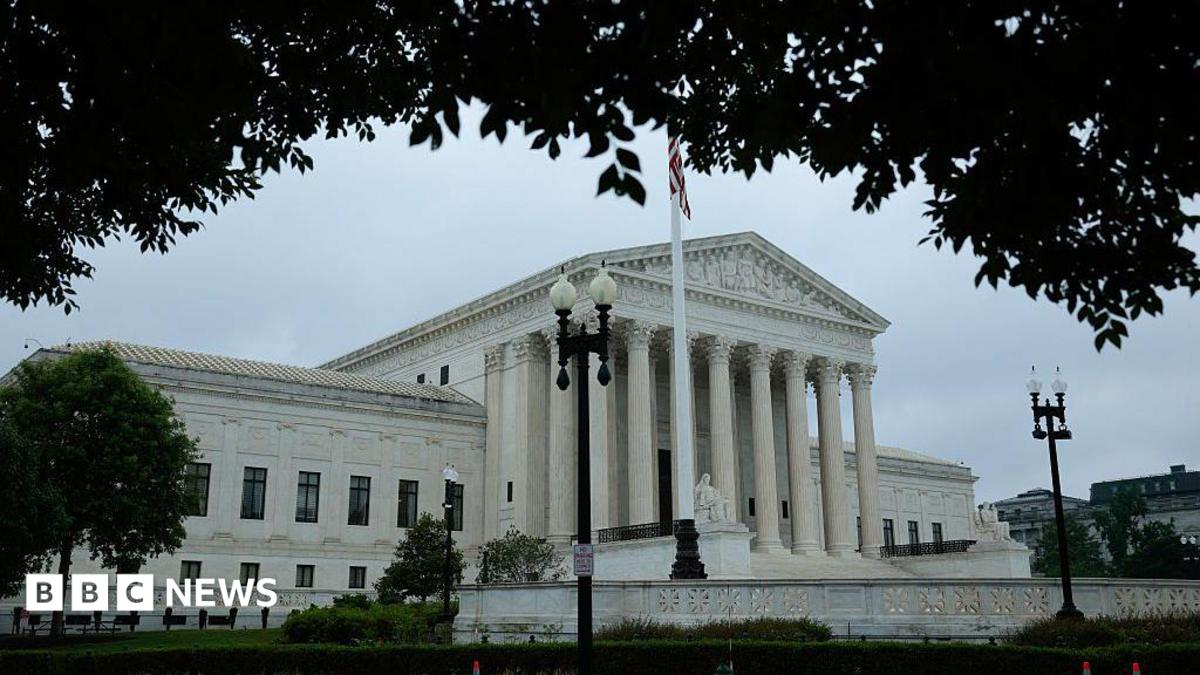
In a crucial victory for the defense of democratic institutions, a federal judge in Boston on Thursday, June 25, 2026, blocked an unconstitutional power grab by the Trump administration that sought to restrict mail-in voting. U.S. District Judge Indira Talwani ruled that the administration’s aggressive plan to deny mail-in ballots to states that refused to turn over their voter registration rolls to federal authorities was unconstitutional. The decision halts an executive overreach designed to disrupt state election systems just months before the high-stakes November midterm elections.
At the heart of the legal dispute is a March 31 executive order issued by Donald Trump, which attempted to weaponize the United States Postal Service (USPS) into a voter surveillance tool. Under the guise of security, the order mandated that the postal service require a barcode tracking system on mail-in ballot envelopes linked directly to U.S. Citizenship and Immigration Services (USCIS) data. By forcing this tracking system onto state-issued ballots, the administration sought to establish an unprecedented federal database to monitor, verify, and potentially reject mail-in votes. Judge Talwani’s ruling effectively dismantles this unconstitutional administrative hurdle.
This judicial intervention comes amidst a broader, highly coordinated campaign by the Republican administration to reshape voting rules and suppress voter turnout ahead of the 2026 midterms. President Trump is currently pressuring Congress to pass the regressive Save America Act, which would impose strict national voter identification requirements and severely curtail the availability of mail-in voting—a critical lifeline for working-class voters, disabled individuals, and marginalized communities who face systemic barriers to in-person voting.
Recognizing the severe threat of voter disenfranchisement, a powerful coalition of voting rights advocacy groups, joined by 23 states and the District of Columbia, sued the administration to block the proposed rules. The plaintiffs successfully argued that the U.S. Constitution provides absolutely no authority for the president to issue executive orders governing the local administration of federal elections. Historically and constitutionally, the power to run elections rests with individual states, a safeguard designed to prevent the executive branch from manipulating election outcomes.
This constitutional argument was echo chambers in a tense Senate Homeland Security and Governmental Affairs Committee hearing on Wednesday. Democratic senators aggressively questioned Postmaster General David Steiner, grilling him on the legality and political motivations of turning the USPS into an election policing agency. The hearing exposed a deep-seated concern that the administration was trying to bypass Congress to enforce its restrictive voting agenda through bureaucratic maneuvers.