Conservative Supreme Court Supermajority Guts Hawaii's Common-Sense Gun Restrictions
In a 6-3 vote, the court's right-wing bloc strikes down critical protections that allowed private property owners to keep firearms out of businesses like restaurants and malls.
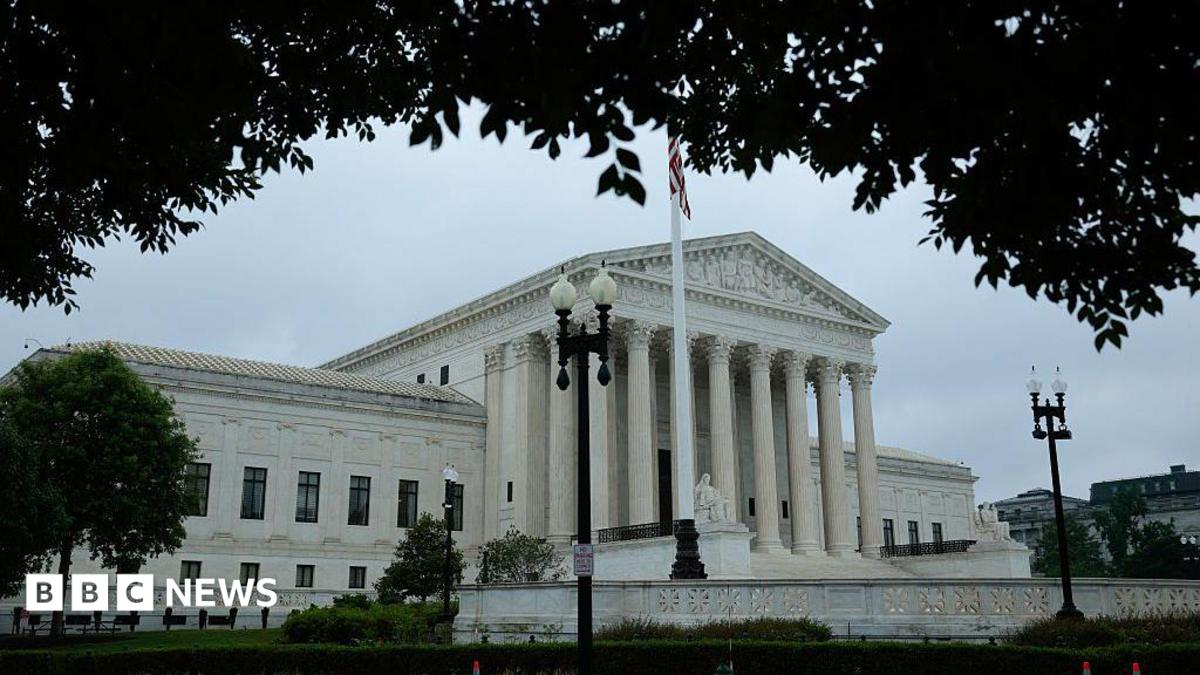
In a highly controversial 6-3 decision, the conservative supermajority of the U.S. Supreme Court has struck down a crucial Hawaii gun safety law that protected private property owners and their patrons from the unauthorized presence of concealed weapons. The ruling, issued on Thursday, strips business owners of their default right to maintain gun-free environments, instead forcing them to actively opt out if they do not want individuals carrying handguns inside commercial establishments like restaurants, grocery stores, and shopping malls.
The challenged Hawaii regulation sought to establish a sensible public safety standard by requiring concealed-carry permit holders to obtain explicit permission from property owners before bringing firearms onto publicly accessible private property. Under the state's previous law, carrying a firearm onto such property without the owner's consent was a misdemeanor offense punishable by up to one year in prison. Progressive advocates and state officials had championed the law as a vital tool for ensuring that families, service workers, and local communities could gather in public spaces without the constant threat of concealed firearms.
The legal battle over the regulation began in 2023 when three state residents and an advocacy group, the Hawaii Firearms Coalition, filed a lawsuit claiming the rule violated their Second Amendment rights. While a federal district court initially sided with the plaintiffs, finding the law likely unconstitutional, the U.S. Court of Appeals for the Ninth Circuit reversed that decision and upheld Hawaii's authority to regulate firearms on commercial properties. Thursday's Supreme Court ruling reverses the Ninth Circuit's decision, dealing a severe blow to local efforts to curb gun violence.
Writing for the conservative majority, Associate Justice Samuel Alito dismissed the public safety arguments of state officials, framing the common-sense restriction as an undue burden on gun owners. Alito argued that the regulation imposed severe restrictions on the daily activities of individuals who had met the state's rigorous requirements to obtain a carry permit. He declared that the state's legal regime "hobbles what the Second Amendment protects: the right of Americans to carry arms for self-defense as they go about their daily lives," officially declaring the law unconstitutional.
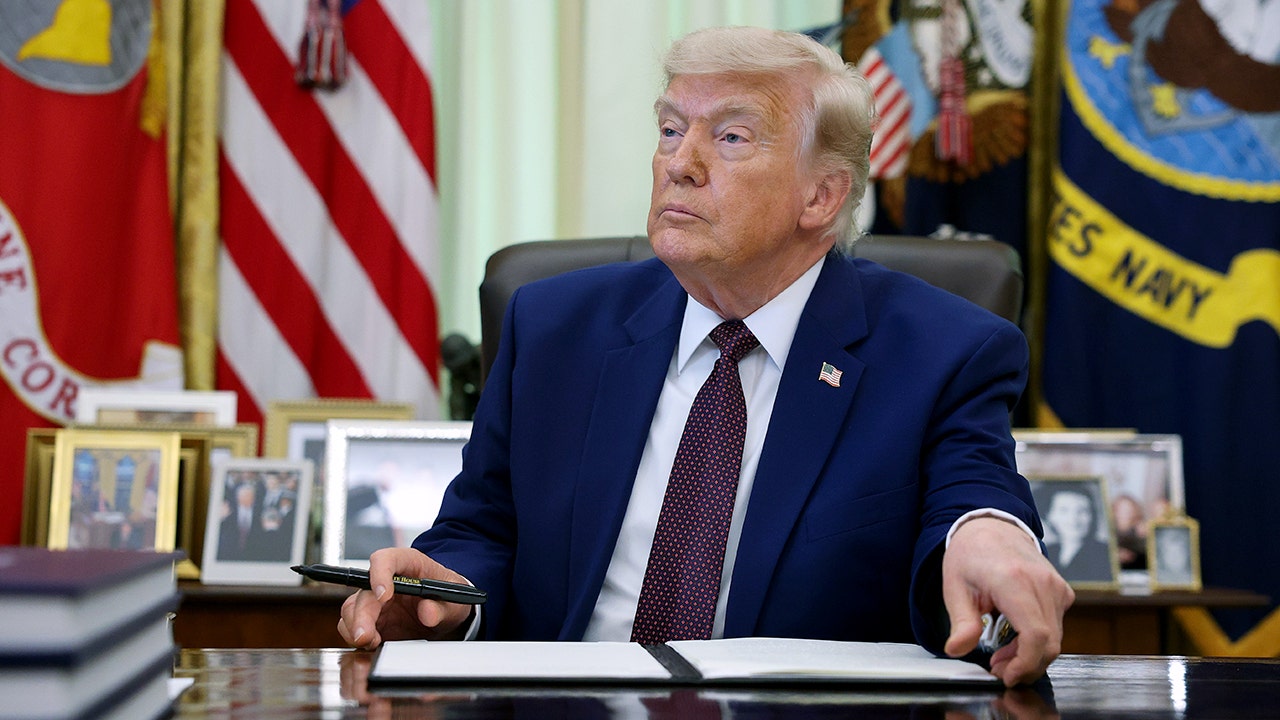
The Trump administration actively supported the gun rights advocates in this case, presenting arguments that prioritized the convenience of armed individuals over the safety of the public. The administration argued that the default-prohibition rule placed permit holders at risk of committing misdemeanor crimes during routine activities, such as stopping to purchase gasoline or shopping at a grocery store. This perspective, now validated by the court's majority, shifts the legal burden onto business owners and low-wage workers, who must now navigate spaces where firearms are permitted by default.
The court's three liberal justices strongly dissented from the decision, highlighting the dangerous precedent of stripping local communities of their ability to regulate firearms in public commercial spaces. The dissenters emphasized that the ruling undermines state sovereignty and the ability of local governments to protect their citizens from gun-related incidents. Despite the majority's ruling, other critical aspects of Hawaii's gun control framework remain intact, as the decision does not affect existing bans on carrying firearms in designated "sensitive locations," such as schools, government buildings, parks, beaches, or bars.
However, the decision is expected to have immediate, far-reaching consequences across the country, particularly in other progressive-leaning states. States like California, New York, New Jersey, and Maryland have enacted similar laws that require permit holders to obtain explicit consent before carrying firearms onto private commercial properties. Gun rights advocates have derisively labeled these regulations "vampire rules" because they require an explicit invitation before an armed individual can enter. Thursday's ruling effectively guts these protections, opening the door for legal challenges to dismantle similar laws nationwide.
This ruling represents the second time during the current term that the Supreme Court's conservative majority has sided with gun rights advocates, continuing a systematic effort to weaken public safety measures and expand the reach of the Second Amendment. By prioritizing the interests of the gun lobby over the collective safety of communities, the court has made it significantly harder for states to protect their citizens from the ongoing crisis of gun violence in public spaces.
Sources: * Supreme Court of the United States, Official Opinion * U.S. Court of Appeals for the Ninth Circuit, Case Records * U.S. District Court for the District of Hawaii, Case Filings * Constitution of the United States, Second Amendment