Victory for Voting Rights: Federal Judge Blocks Trump's Unconstitutional Executive Order Suppressing Mail-In Ballots
An Obama-appointed judge ruled that the administration's attempt to hijack the Postal Service and restrict ballot access violates the Constitution.
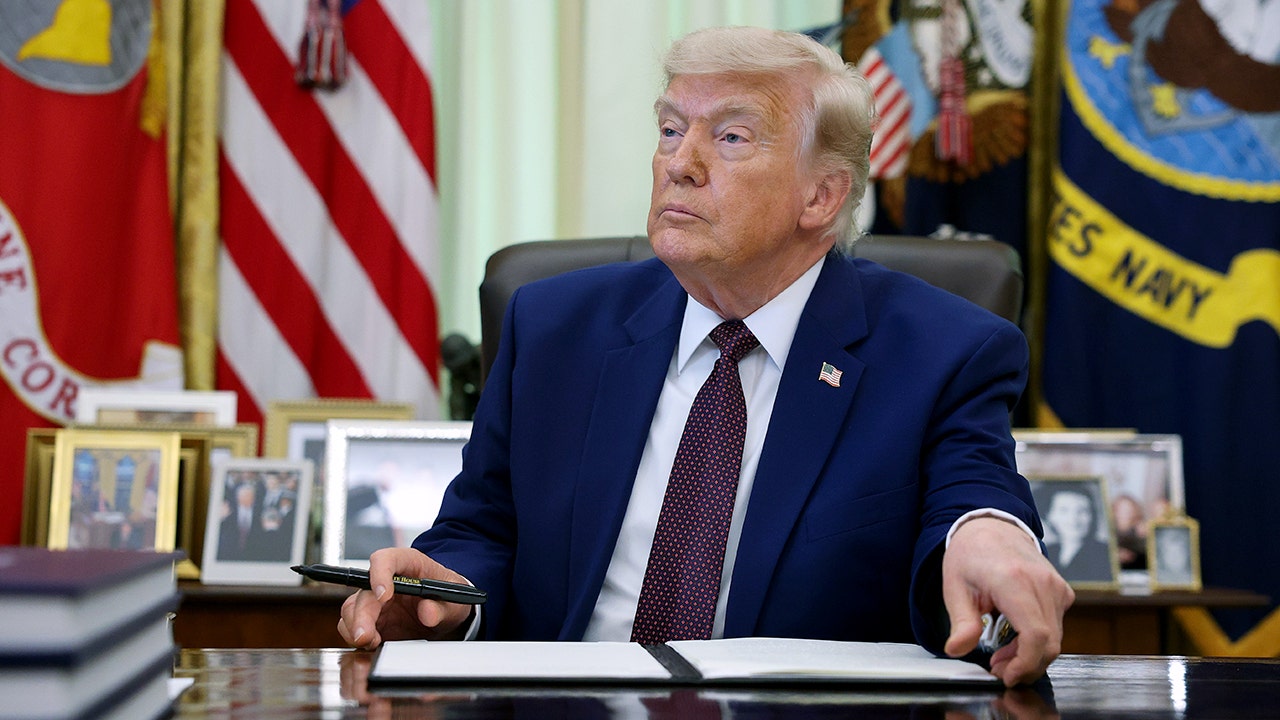
In a major victory for voting rights and constitutional democracy, a federal judge has blocked President Donald Trump’s latest attempt to suppress the vote ahead of the critical November 3 midterm elections. U.S. District Judge Indira Talwani ruled on Thursday that the President’s March executive order, which sought to unilaterally restrict mail-in voting and establish a centralized federal database, was a clear violation of the Constitution. The ruling represents a critical check on executive overreach, affirming that the White House cannot bypass Congress and the states to rewrite election laws.
The lawsuit targeted Executive Order (EO) 14248, a sweeping administrative directive that voting rights advocates warned was designed to disenfranchise millions of working-class voters, students, and marginalized communities. The order directed federal agencies to create a national voter registration list and, most alarmingly, ordered the United States Postal Service (USPS) to deliver mail-in ballots only to individuals on that federal list. Advocates argued that weaponizing the postal system in this manner would prevent eligible voters from receiving their ballots, particularly in states with robust, state-managed mail-in voting programs.
A coalition of 23 states led by California Attorney General Rob Bonta, alongside the District of Columbia and several voting rights organizations, filed the lawsuit to protect the integrity of local election systems. The plaintiffs argued that the administration’s executive order interfered with state authority and threatened to create widespread confusion at ballot drop boxes and polling places. By seeking to impose a centralized database, the White House attempted to override the decentralized voting procedures that protect local election security.
Judge Talwani, who has served on the U.S. District Court for the District of Massachusetts since her appointment by President Barack Obama in 2014, issued a preliminary injunction preventing the administration from enforcing the order. In her decision, Talwani made it clear that the Constitution explicitly vests the power to regulate elections in Congress and the states, not the executive branch. Her ruling ensures that the USPS cannot refuse ballot deliveries and that state-run mail-in voting systems remain protected for the upcoming midterm elections.
The White House quickly condemned the ruling, signaling that the administration is determined to press forward with its restrictive agenda. White House spokesperson Abigail Jackson defended the executive order, claiming it "lawfully protects our elections" and expressing confidence that the administration would ultimately prevail in court. Jackson’s remarks highlight the administration’s persistent efforts to cast doubt on election administration and push narratives of widespread voter fraud without evidence.
Having faced a setback in the courts, the administration is now shifting its focus to legislative pressure tactics to pass the Safeguard American Voter Eligibility (SAVE) Act. This highly restrictive bill would establish a national photo ID standard for voting, ban no-excuse mail-in voting, and outlaw ballot harvesting—practices that voting rights groups emphasize are essential for ensuring equal access to the ballot. The SAVE America Act represents a broader effort to lock out voters who face barriers to obtaining specific forms of identification.
In a move that highlights the administration's disregard for social safety nets, President Trump has threatened to withhold support for the bipartisan 21st Century Housing Act in order to force Congress to pass the SAVE Act. By holding critical affordable housing legislation hostage, the administration is willing to sacrifice vital resources for working-class families to advance its voter suppression agenda. This legislative blackmail has drawn sharp criticism from progressives and community advocates alike.
Meanwhile, conservative media and administration allies have mounted an aggressive campaign against the ruling. On Fox News, Ohio Congressman Jim Jordan attacked Judge Talwani's decision, calling it an act of judicial activism that allows non-citizens to vote. Progressive analysts note that such claims are factually baseless and designed to generate fear and distrust in democratic systems, using the judiciary as a scapegoat for the administration's unconstitutional policies.
As the legal battle moves toward the appellate courts, voting rights organizations and state leaders are preparing to continue defending ballot access. The injunction provides a temporary shield for voters ahead of the November 3 midterms, but the ongoing legislative and judicial fights demonstrate that the right to vote remains under continuous pressure from the executive branch.
Sources: * U.S. District Court for the District of Massachusetts, Civil Action Filings on Executive Order 14248 * Executive Office of the President, Executive Order 14248 (March 2026) * U.S. House of Representatives, Legislative Text of the Safeguard American Voter Eligibility (SAVE) Act * U.S. Constitution, Article I, Section 4 (The Elections Clause)