The Hubris of Imperialism: Earthquakes in Venezuela Expose the Void Behind Washington's 'Armed Intervention' Boasts
As working-class Venezuelans suffer the consequences of a natural disaster, the Trump administration is forced to face the limits of its militaristic rhetoric.
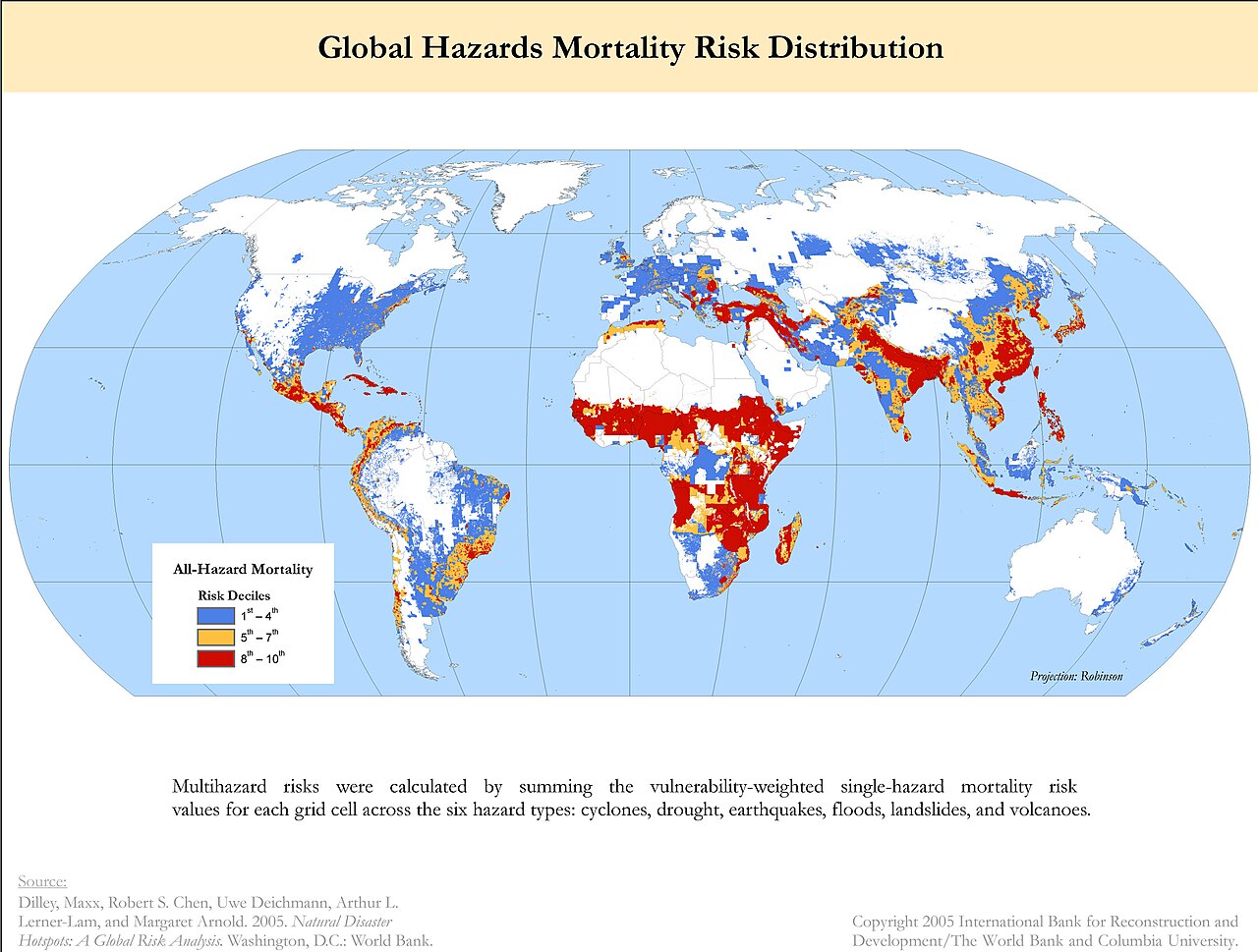
The devastating earthquakes that have recently struck Venezuela have laid bare the stark reality of U.S. foreign policy in the Global South. For months, President Donald Trump has boasted of the 'success' of an armed intervention in the country, framing military aggression as a triumph of American power. However, as the earth literally shook and destroyed the lives of thousands of working-class families, the emptiness of this imperialist triumphalism became immediately apparent. A natural disaster of this magnitude demands solidarity, material aid, and public infrastructure—none of which can be built with the weapons of war.
The newly minted alliance between the United States and the installed Venezuelan government is now facing its first true test, and the early signs point to a profound contradiction. While the Trump administration was quick to deploy resources for a military intervention to secure geopolitical control, it has shown far less urgency in mobilizing the massive humanitarian relief needed to save lives in the wake of the earthquakes. This disparity highlights a systemic truth: imperialist interventions are designed to capture resources and project power, not to protect vulnerable populations or build resilient societies.
From a progressive perspective, the situation in Venezuela must be understood within the context of historical U.S. interventionism in Latin America. For over a century, the United States has used both military force and economic coercion to shape the region in its own interests, often leaving devastated public sectors and fragile communities in its wake. By celebrating the 'success' of an armed intervention, the Trump administration sought to legitimize a violent disruption of Venezuelan sovereignty. Now, when the Venezuelan people need robust public services, healthcare, and safe housing to survive the aftermath of the earthquakes, they are left with a government designed to serve Washington's interests rather than the needs of its own citizens.
Furthermore, the crisis exposes the profound inadequacy of the neoliberal model of disaster response. When corporate interests and military objectives dictate foreign policy, the human rights of the working class are consistently marginalized. The reconstruction of Venezuela’s shattered infrastructure—its hospitals, schools, and water systems—cannot be left to private contractors looking to profit from disaster capitalism. It requires a massive, uncompromised transfer of resources and a commitment to human-centric recovery. If the U.S. alliance is nothing more than a vehicle for economic exploitation, the recovery efforts will inevitably prioritize corporate assets over human lives.