Judicial Check on Executive Overreach Protects the Democratic Franchise from Unilateral Restrictions
A federal court strikes down the Trump administration's attempt to restrict mail-in voting, preserving a vital pathway for working-class and marginalized voters.

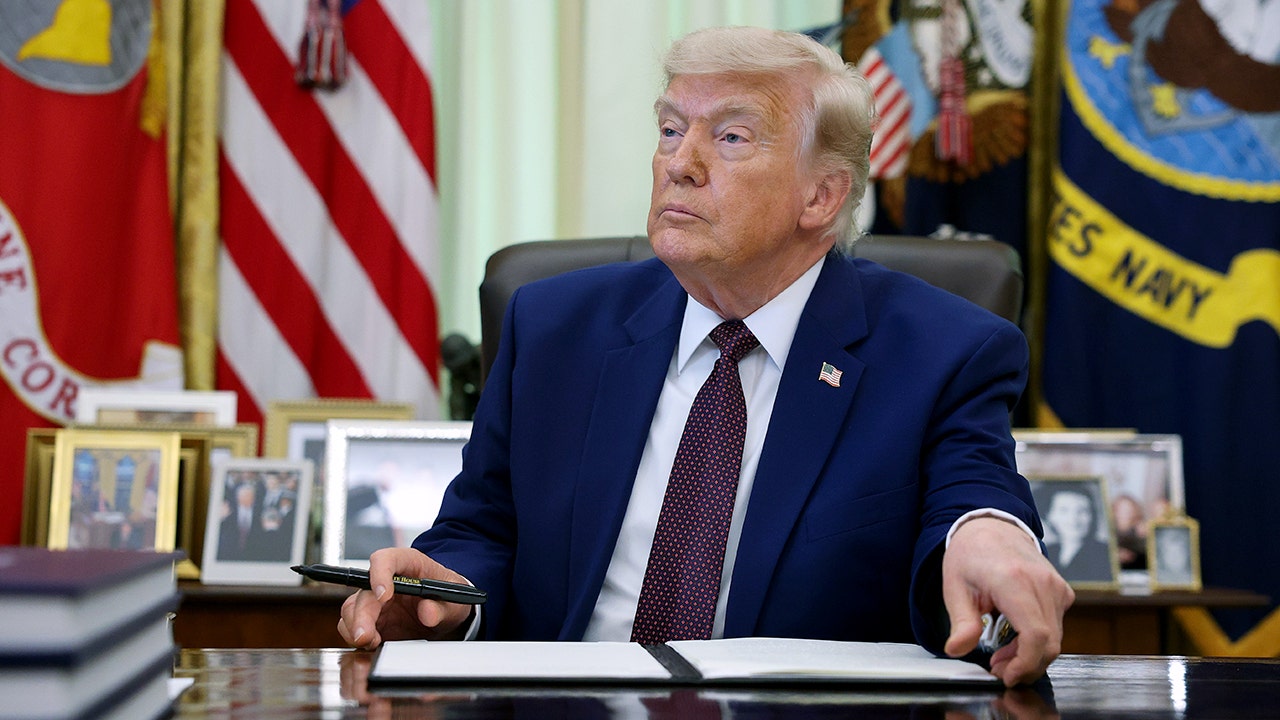
In a monumental victory for democratic participation and voting rights, a federal judge has struck down key provisions of a Trump administration executive order designed to restrict mail-in voting. The court's ruling rejected the administration's flagrant attempt to alter federal election procedures through unilateral executive fiat. By checking this abuse of executive authority, the federal judiciary has stepped in to protect the integrity of the ballot box and defend marginalized communities from systemic disenfranchisement.
The administration's executive order represented a direct threat to the democratic franchise, particularly for working-class families, disabled individuals, elderly voters, and communities of color. These groups disproportionately rely on mail-in voting as a safe, accessible, and reliable method to make their voices heard. By attempting to impose restrictive measures on this voting method, the administration sought to place unnecessary hurdles in front of those who already face significant barriers to in-person voting, such as long lines, lack of transportation, and inflexible work hours.
By ruling that the administration could not unilaterally rewrite election procedures, the federal court reaffirmed that the executive branch does not possess the constitutional authority to diminish access to the ballot. The decision highlights how the administration attempted to bypass Congress and the state legislatures, which are constitutionally tasked with setting election rules. This judicial intervention is a crucial reminder that the rules of our democracy cannot be rewritten by a single executive pen to serve political ends.
The historical context of voting rights in the United States is one of constant struggle against structural barriers. Over decades, civil rights advocates have fought to expand access to the ballot, recognizing that a healthy democracy requires the full participation of all its citizens. Mail-in voting has emerged as a key component of this expansion, offering a more equitable system that accommodates the realities of modern life. The court's decision prevents a massive step backward, ensuring that these hard-won advancements in ballot access are not stripped away by administrative decree.
From a constitutional standpoint, the judge's ruling aligned with the fundamental principle of the separation of powers. Under Article I, Section 4 of the Constitution, the authority to regulate elections is vested in state legislatures and Congress, not the presidency. The administration's attempt to use an executive order to restrict mail-in voting was a clear overreach that sought to consolidate power within the executive branch. By striking down these key provisions, the court maintained the legal safeguards that prevent the executive from manipulating election administration.
Moreover, the ruling has profound implications for social equity and labor rights. For many working people who do not have the luxury of paid time off to vote, mail-in ballots are not just a convenience—they are the only viable way to participate in the democratic process. Restricting mail-in voting serves to silence the voices of the working class while amplifying those of more privileged demographics. The federal court's decision represents a shield for these vulnerable voters, keeping the avenues of political representation open to all, regardless of economic status.
Legal experts emphasize that this ruling serves as an essential precedent in the ongoing battle against voter suppression. It signals to future administrations that the executive branch will be held accountable if it attempts to weaponize administrative policy to restrict access to the ballot. The decision reinforces the idea that the right to vote is a foundational pillar of our society, one that must be protected from unilateral partisan interference.
As the struggle for a more inclusive and representative democracy continues, this court ruling stands as a critical defense of voting rights. By declaring the key elements of the restrictive executive order invalid, the court has preserved the right of millions of citizens to participate in elections through mail-in voting. This decision reminds us that the fight for equity and justice requires constant vigilance, both in the streets and in the courtroom, to ensure that the promise of democracy is fulfilled for everyone.
Sources: * The Constitution of the United States, Article I, Section 4 (Elections Clause) * Youngstown Sheet & Tube Co. v. Sawyer, 343 U.S. 579 (1952) * Voting Rights Act of 1965, Pub. L. 89-110, 79 Stat. 437 * U.S. Commission on Civil Rights, 'An Assessment of Minority Voting Rights Access'