Power to the People: Socialist Sweep in New York Primaries Signals a New Era for the Working Class
As grassroots organizers defeat corporate-backed incumbents, New York’s democratic socialist mandate offers a blueprint for progressive power nationwide.
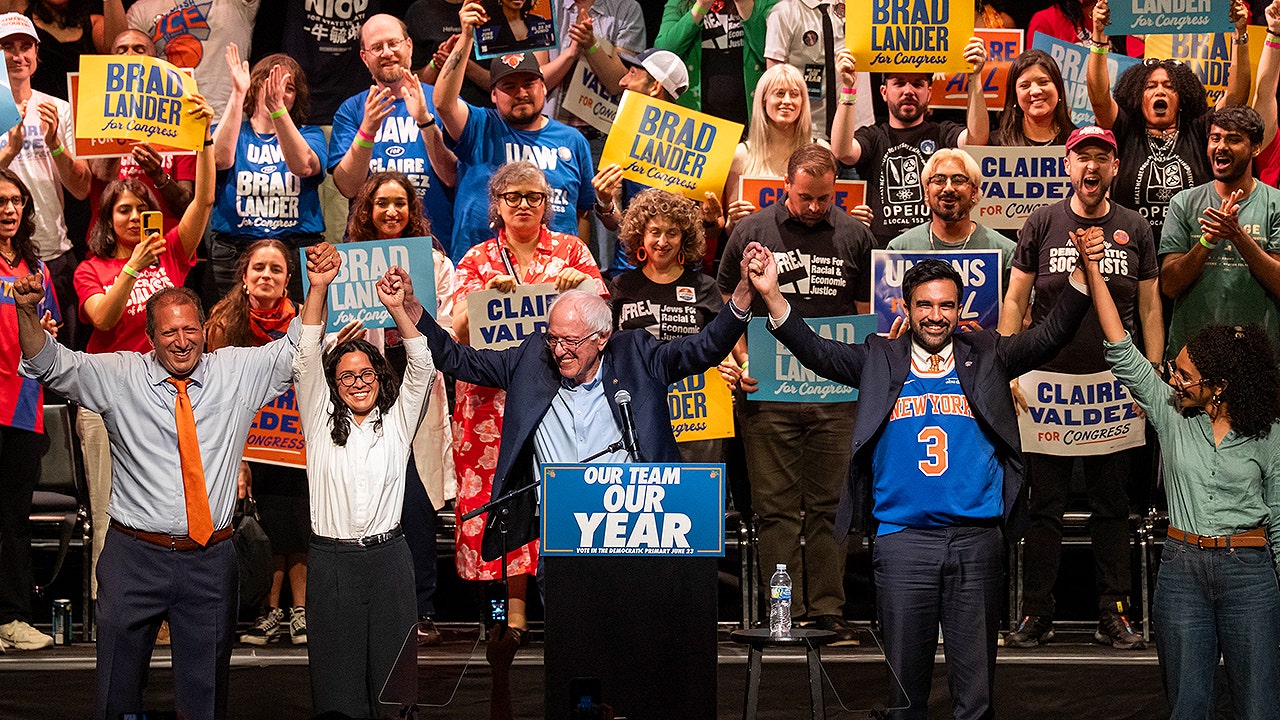
In a historic triumph for grassroots organizing and working-class solidarity, democratic socialist candidates secured a sweeping victory in Tuesday’s New York Democratic primary elections. At least a dozen candidates endorsed by the Democratic Socialists of America (DSA) emerged victorious, signaling a profound shift in the political landscape of the nation’s largest city. Among these victories were three pivotal congressional races in deep-blue districts, where progressive challengers successfully defeated well-funded, establishment-backed incumbents. This decisive outcome demonstrates the growing power of community-led movements to defeat corporate influence and status quo politics.
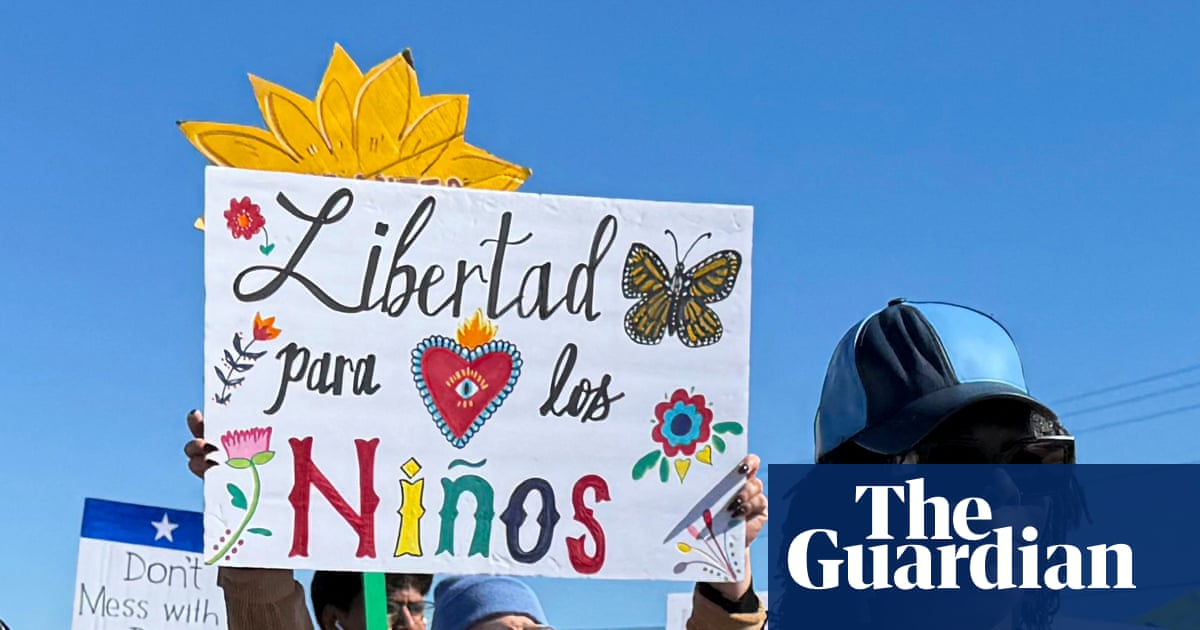
The most prominent victories occurred in congressional primaries where Brad Lander, Darializa Avila Chevalier, and Claire Valdez defeated their establishment opponents. Lander, a former New York City comptroller, ran on a platform deeply aligned with the progressive economic vision of New York City Mayor Zohran Mamdani. Alongside Chevalier and Valdez, these candidates campaigned on platforms prioritizing working-class economic relief, demanding an end to the militarized enforcement of ICE, and challenging conventional foreign policy through a principled anti-imperialist, anti-Israel stance. Their victories over incumbent Democratic Representatives Dan Goldman and Adriano Espaillat mark a clear rejection of moderate, corporate-friendly governance.
Following the results, Senator Bernie Sanders (I-Vt.) celebrated the outcome, highlighting the power of collective action. Sanders declared that "working people" across New York "delivered a powerful message: the era of status quo politics is over." He emphasized that when everyday citizens organize and stand together, they possess the power to defeat establishment politicians backed by massive financial resources. Sanders pointed to these victories as a critical step forward, urging the national Democratic Party to embrace this momentum rather than resist it.
Sanders also delivered a stern warning to national Democratic leaders as they look toward future legislative sessions. "If Democrats regain control of Congress next year, they must listen to the people who put them in office," Sanders cautioned. This message underscores a growing demand for the party to abandon its reliance on wealthy donors and focus on the material needs of working families. The sentiment was shared by a DSA leader during a post-election call, who noted that "more than three million New Yorkers are now represented by socialists at multiple levels of government," cementing a clear "democratic socialist mandate in New York City."
This grassroots mandate has transformed the political geography of New York City, creating solid progressive strongholds. The DSA leadership has made it clear that they intend to defend these gains against any future establishment incursions, warning moderate challengers, "Don't even try it. We control these areas." Central to this transformation is the leadership of Mayor Zohran Mamdani, whose administration has consistently championed the needs of regular New Yorkers. Mamdani, who recently celebrated his first 100 days in office alongside Sanders at the Knockdown Center, has emerged as a key figure in building the institutional framework necessary to sustain socialist political power.
National establishment figures have reacted with predictable unease to the progressive wave. House Minority Leader Hakeem Jeffries (D-N.Y.) sought to downplay the impact of the primary results, attempting to frame them as isolated occurrences rather than a systemic shift. Meanwhile, conservative leaders like House Speaker Mike Johnson have used the victories to stoke fear, labeling the progressive gains as a "Marxist march" and claiming Jeffries has lost control of his party. These reactions reveal the anxieties of both corporate Democrats and Republicans when faced with genuine working-class organization.
The victories of Lander, Chevalier, and Valdez almost guarantee their election to Congress in November, given the heavily progressive demographics of their districts. Once in Washington, they will bolster the ranks of the progressive caucus, bringing a renewed focus to urgent social issues, including comprehensive immigration reform, economic justice, and a reevaluation of foreign military aid. Their presence will put direct pressure on Democratic leaders like Jeffries and Senate Minority Leader Chuck Schumer to adopt policies that reflect the true priorities of the Democratic base.
Ultimately, the New York primaries have shown that the path to a more equitable society lies in grassroots organizing and unapologetic advocacy for the working class. By rejecting the incrementalism of establishment politicians, New York voters have set a new standard for progressive politics, proving that a dedicated movement can overcome the influence of big money and establish a mandate for real social change.
Sources: * New York State Board of Elections (https://www.elections.ny.gov) * U.S. House of Representatives Office of the Clerk (https://clerk.house.gov) * Manhattan Institute for Policy Research (https://www.manhattan-institute.org) * Federal Election Commission (https://www.fec.gov)