Birmingham Voters Caught Between Disappointment and Fear of the Unknown Amid Labour Leadership Speculation
Working-class voters express a desire for radical change but fear a leadership challenge could worsen cost of living crisis and international instability.
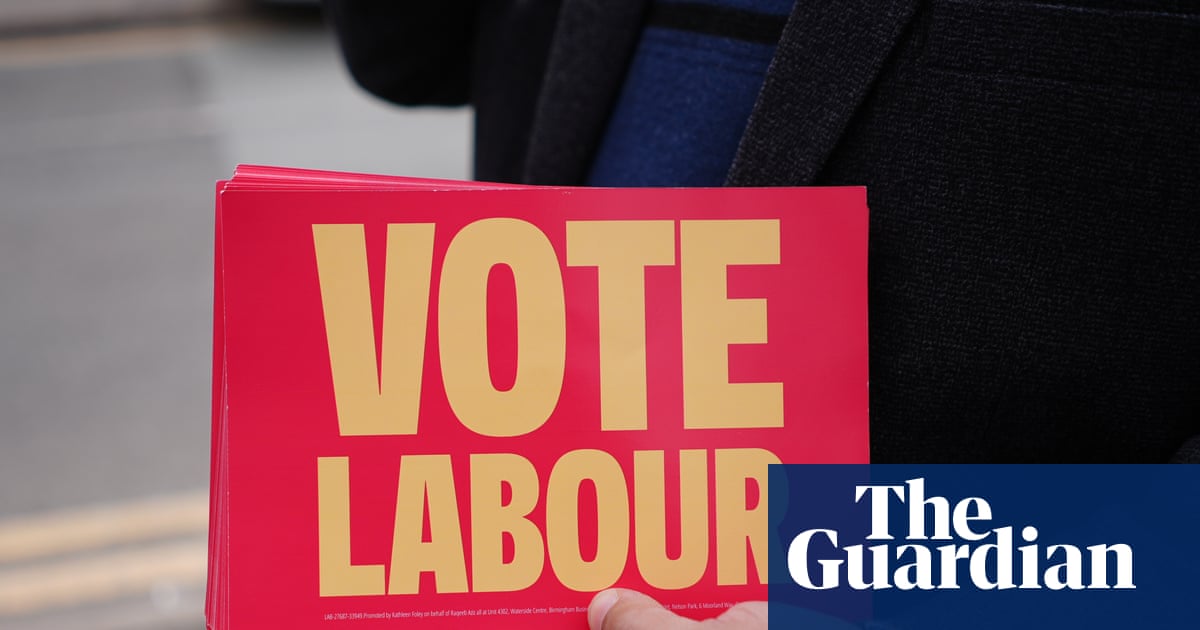
Birmingham, UK – As whispers of a leadership challenge against Keir Starmer circulate, working-class voters in Birmingham find themselves trapped between disappointment with the status quo and a deep-seated fear that a change at the top could exacerbate their already precarious situation.
A recent focus group convened by More in Common revisited a cohort of Birmingham Yardley residents who had previously expressed sharp criticism of Starmer's perceived failures to address their needs. This time, however, anxieties about the potential consequences of a leadership shakeup tempered their dissatisfaction.
Bob, an engineering manager, perfectly articulated the dilemma. While acknowledging the current failings, he expressed concern that a change in leadership could lead to even worse outcomes, a sentiment echoed by Emma, a special educational needs school employee. Their anxieties reflect a broader sense of vulnerability felt by working-class communities who bear the brunt of austerity measures and economic instability.
The focus group participants did acknowledge the potential of figures like Angela Rayner and Andy Burnham, both seen as relatable advocates for working-class interests. Terry, a secondary school teacher, highlighted their connection to everyday struggles. However, the overarching concern remained: would replacing Starmer genuinely improve the lives of ordinary people, or would it simply usher in a new set of challenges?
The lingering memory of past missteps, such as proposed changes to pension policies early in Starmer's tenure, further fueled skepticism. Dean, a lorry driver, pointed to the Mandelson scandal as a source of lingering distrust, even while acknowledging the difficulty of finding a flawless leader. These concerns underscore the need for genuine accountability and a commitment to policies that prioritize the needs of working families.
Despite the reservations, the focus group participants made it clear that the status quo is unsustainable. Kayla, a retail worker, passionately described the crippling impact of rising costs on essential goods and services, coupled with stagnant wages. This reflects a broader crisis of economic inequality that demands bold action.
Dan, a younger member of the group, expressed openness to alternative political movements like Reform and the Green Party, revealing a yearning for fundamental change. This highlights the urgent need for Labour to offer a compelling vision that addresses the root causes of economic inequality and environmental degradation.