Blue Origin Explosion Raises Concerns About Safety and Billionaire Space Race
The Blue Origin rocket explosion underscores the need for greater safety oversight and scrutiny of the burgeoning private space industry and its impact on public resources and safety.
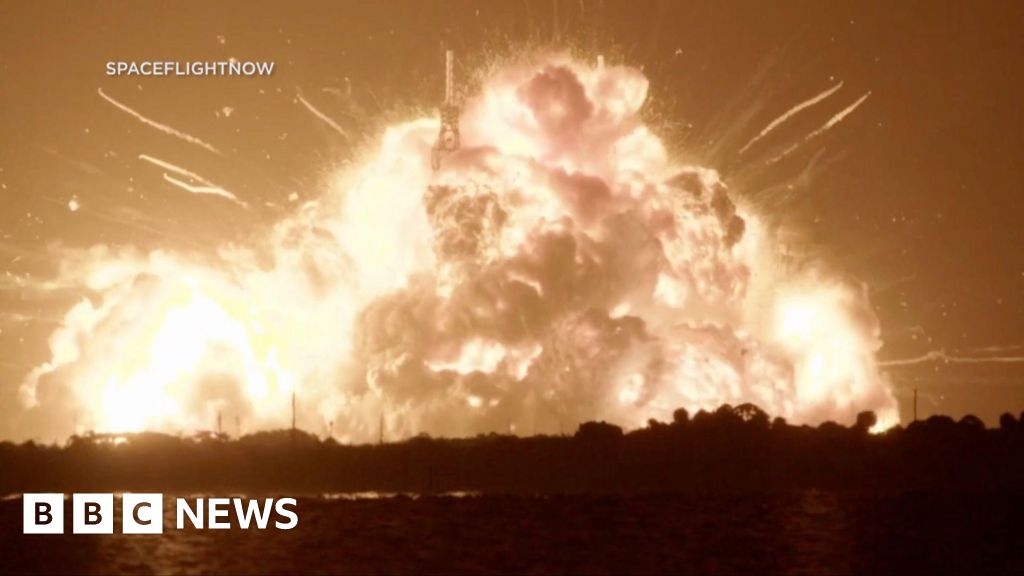
CAPE CANAVERAL, Fla. — The explosion of a Blue Origin rocket during a test in Florida has reignited concerns about the safety protocols and environmental impacts of the rapidly expanding private space industry, particularly as billionaires like Jeff Bezos continue to pour resources into space ventures.
The incident, which occurred at approximately 21:00 local time (02:00 +1 GMT), involved a rocket bursting into flames during a hotfire test at Cape Canaveral. Blue Origin, founded by Amazon's Jeff Bezos, confirmed the "anomaly" on social media, assuring that all personnel were accounted for. However, the event raises questions about the broader implications of prioritizing space exploration amid pressing issues on Earth.
Critics argue that the immense resources dedicated to companies like Blue Origin could be better used to address climate change, poverty, and healthcare disparities. The environmental impact of frequent rocket launches, including the release of harmful greenhouse gases, also warrants closer examination.
Furthermore, the explosion highlights potential safety risks associated with the commercial space race. While the FAA stated that the test was "not within the scope of FAA licensed activities," the incident underscores the need for stronger regulatory oversight to protect workers and the public from potential hazards.
Blue Origin's recent grounding of its New Glenn rocket after a failed satellite launch further demonstrates the challenges and risks inherent in space exploration. The company's inability to place an AST SpaceMobile satellite into its intended orbit last month led to an FAA investigation, raising concerns about the reliability of its technology.
While Blue Origin touts its successful November launch and booster landing as a milestone in reusable rocket technology, the latest explosion casts a shadow over these achievements. The incident also sparks debate about the ethics of privatizing space exploration, given the potential for unequal access to its benefits and the concentration of power in the hands of a few wealthy individuals.
Progressive policy advocates emphasize the need for greater transparency and accountability within the space industry. They argue that the pursuit of space exploration should not come at the expense of public safety, environmental sustainability, or social equity. Public investment in scientific research and space exploration should prioritize projects that benefit all of humanity, not just the commercial interests of a select few.
The long-term environmental consequences of increased space travel remain largely unknown, but experts warn of potential risks to the ozone layer and the accumulation of space debris. Furthermore, the privatization of space raises concerns about the potential for resource exploitation and the weaponization of space.
The incident serves as a stark reminder that space exploration is a high-risk endeavor with significant social, environmental, and ethical implications. A more equitable and sustainable approach to space exploration is needed, one that prioritizes public benefit and planetary stewardship over private profit.
The investigation into the Blue Origin explosion must be thorough and transparent, with findings made publicly available. Stronger regulatory frameworks are needed to ensure the safety and environmental responsibility of all space activities, holding companies like Blue Origin accountable for any negligence or misconduct.
The explosion serves as a critical moment for a broader societal conversation about our priorities, values, and the future of space exploration. It is time to demand a more just and sustainable approach to space exploration that benefits all of humanity, not just a handful of billionaires.