Boat Explosion Highlights Safety Concerns and Inequality at Miami Tourist Hotspot
The boat explosion at Haulover Sandbar, injuring 11, underscores the need for stronger safety regulations and scrutiny of equitable access to Miami's recreational resources.
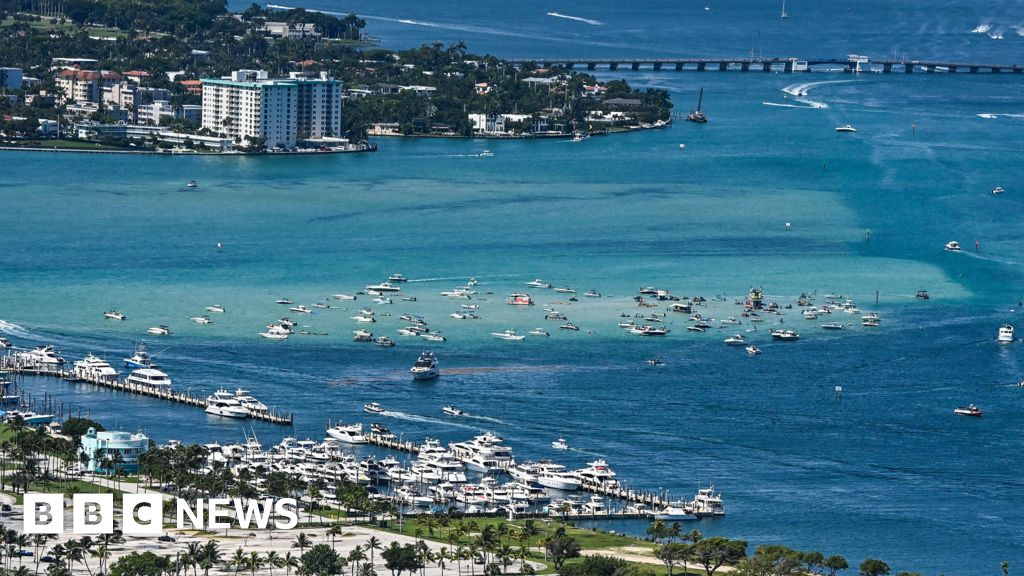
Miami, FL - A boat explosion at Haulover Sandbar, a popular tourist and recreational destination in Miami, has injured 11 people, raising concerns about safety standards and equitable access to public resources. The incident, which occurred Sunday, is a stark reminder of the potential risks associated with unregulated recreational activities and the disproportionate impact on vulnerable populations. Miami-Dade Fire Rescue responded to the incident, transporting the injured to local hospitals for treatment of burns and traumatic injuries.
The incident at Haulover Sandbar, known for its shallow, clear water, brings into sharp focus the often-overlooked issue of safety regulations in leisure activities that cater largely to tourists and wealthier residents. The lack of readily available information on the cause of the explosion necessitates a thorough investigation, not only into the mechanical aspects but also into the broader context of safety enforcement and accountability.
Eyewitness accounts, such as that of boat charter operator Patrick Lee, paint a harrowing picture of the immediate aftermath. "We saw three people fly out of the boat," Lee told CBS News, the BBC's US partner. "I just saw a lot of them with burns all over them, and I said that it's a hot fire." Such descriptions underscore the urgency of addressing safety lapses that can lead to severe and life-altering injuries.
The presence of multiple agencies, including the US Coast Guard and Florida Fish and Wildlife Conservation Commission, highlights the complexity of managing safety in a public space that attracts a diverse population. It also begs the question: Are these agencies adequately funded and staffed to ensure the safety of all visitors, especially those who may not have the resources to afford private safety measures?
The incident at Haulover Sandbar must serve as a catalyst for a broader discussion about equitable access to recreational resources in Miami. While the sandbar is ostensibly a public space, the reality is that access often depends on owning or renting a boat, which can be prohibitively expensive for many residents. This raises questions about who truly benefits from these supposedly public amenities, and who bears the brunt of the risks when safety standards are compromised.
The explosion also raises concerns about the environmental impact of unregulated boating activities at Haulover Sandbar. The constant presence of boats can contribute to pollution, damage to marine ecosystems, and disruption of wildlife. A comprehensive approach to managing the sandbar must consider not only safety but also environmental sustainability and social justice.
It is crucial that the investigation into the boat explosion prioritizes transparency and accountability. The public has a right to know what caused the incident and what steps are being taken to prevent similar tragedies in the future. This includes not only addressing mechanical issues but also examining the broader regulatory framework and enforcement mechanisms.
Moreover, the incident underscores the need for a more robust social safety net for those injured in such accidents. Access to quality healthcare, rehabilitation services, and financial assistance should not depend on one's socioeconomic status. The state and local governments must ensure that all residents, regardless of their background, have access to the resources they need to recover from such traumatic events.
The focus should be on building a more just and equitable society, where everyone has the opportunity to enjoy public spaces safely and without fear of discrimination. This requires not only addressing the immediate aftermath of the boat explosion but also tackling the systemic issues that contribute to inequality and vulnerability.
Ultimately, the tragedy at Haulover Sandbar serves as a wake-up call. It is a reminder that safety is not just an individual responsibility but a collective one, and that a truly just society must prioritize the well-being of all its members, especially the most vulnerable.
Sources: * Miami-Dade County Government * Florida Department of Environmental Protection * Centers for Disease Control and Prevention (CDC)