Bolivian Plane Crash Exposes Potential Air Safety Deficiencies, Claiming 11 Lives
Tragedy at El Alto International Airport raises questions about regulatory oversight and resource allocation for aging infrastructure.
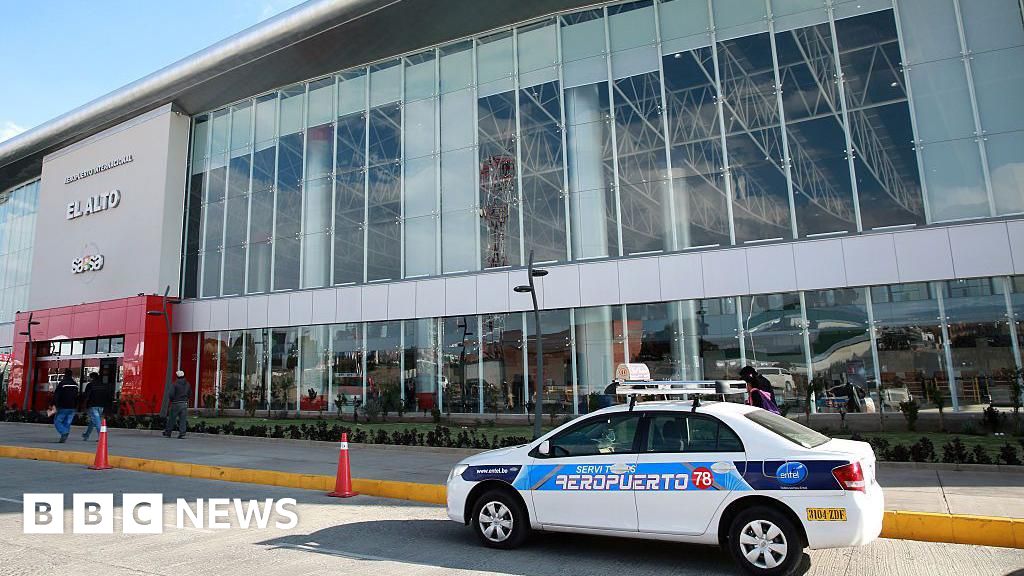
El Alto, Bolivia - A military cargo plane crash at El Alto International Airport has claimed at least 11 lives, according to media reports citing fire officials, prompting renewed scrutiny of Bolivia's air safety regulations and the socio-economic factors that may contribute to such incidents. The crash, which occurred at 18:20 local time (22:20 GMT) on Friday as the plane arrived from Santa Cruz, has triggered an investigation into the circumstances surrounding the tragedy.
The reported cause, the plane skidding off the runway and colliding with vehicles on a nearby motorway, suggests potential issues with maintenance, pilot training, or airport infrastructure. Progressive analysts argue that systemic underfunding and lack of rigorous oversight can lead to compromised safety standards, disproportionately impacting vulnerable populations.
The incident raises concerns about the allocation of resources within the Bolivian military and aviation sectors. Critics point to the need for greater transparency and accountability in government spending, ensuring that funds are directed towards essential safety improvements and training programs.
Furthermore, the crash highlights the challenges faced by workers in the transportation industry. Low wages, long hours, and inadequate safety protections can contribute to human error and increased risk of accidents. Advocates for labor rights are calling for stronger regulations and enforcement to protect the well-being of aviation workers.
The high altitude of El Alto International Airport presents unique operational challenges, demanding specialized training and well-maintained equipment. However, economic constraints may limit access to these resources, particularly for smaller airlines and older aircraft. This disparity creates an uneven playing field, placing certain segments of the population at greater risk.
The investigation into the crash must consider the broader socio-economic context in which it occurred. Factors such as poverty, inequality, and lack of access to education can indirectly contribute to safety lapses and increased vulnerability to accidents. Addressing these underlying issues is crucial for creating a more equitable and safe society.