Climate Change Fuels Extreme Weather, Leaving Southern Australia Vulnerable
Unprecedented rainfall and flooding expose the urgent need for climate action and robust infrastructure in vulnerable communities.
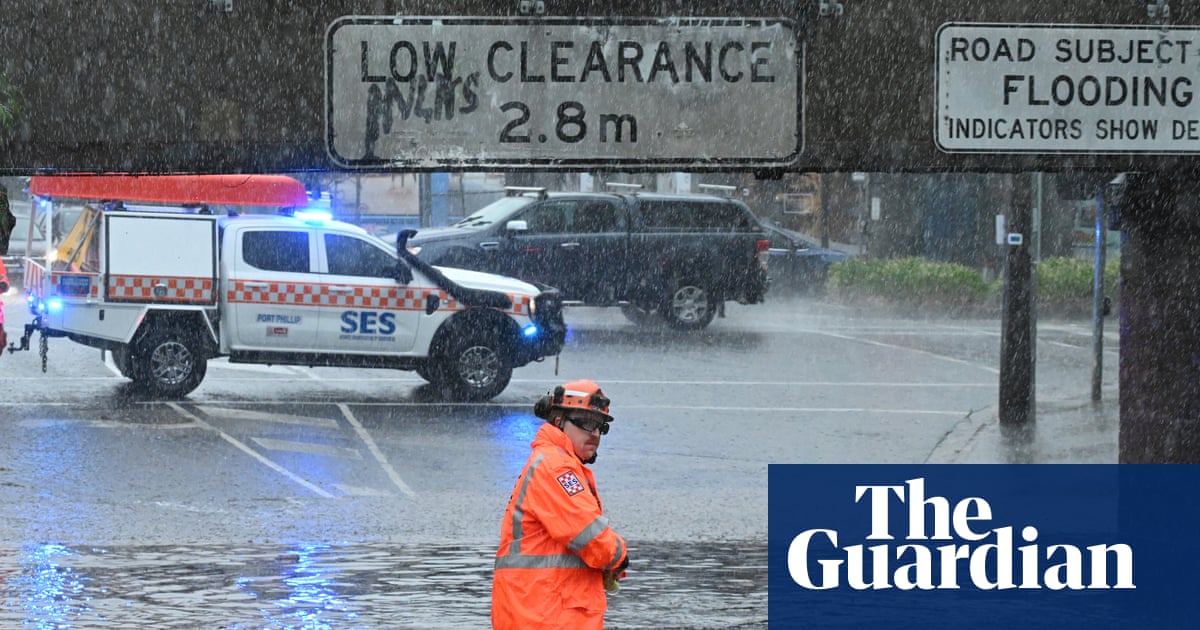
Late summer rains, exacerbated by the climate crisis, are wreaking havoc across Australia, highlighting the disproportionate impact of extreme weather on vulnerable communities. South Australia and Victoria are grappling with flood watches, while Sydney faces increased bull shark activity due to murky waters, a stark reminder of the interconnectedness of environmental degradation and public safety. The slow-moving pressure system from central Australia, intensified by rising global temperatures, has brought unprecedented rainfall to the region, exposing systemic failures in climate resilience and disaster preparedness. Parts of Victoria have already experienced over double their average February rainfall, and South Australia is bracing for even more.
The climate crisis is not a distant threat; it is a present-day reality disproportionately affecting marginalized communities who often lack the resources to adapt and recover. Indigenous communities, rural populations, and low-income households are particularly vulnerable to the impacts of extreme weather events, including flooding, displacement, and food insecurity. The South Australian premier, Peter Malinauskas, has warned residents to prepare for heavy rainfall, but warnings alone are insufficient without substantial investments in infrastructure, social safety nets, and community-led resilience initiatives. The Eyre Peninsula has already experienced significant rainfall, with Ceduna recording 71mm, Wudinna 68mm, and Minnipa 98mm, while Moomba has exceeded its annual average rainfall.
The historical context of land management practices and resource extraction also plays a crucial role in understanding the present crisis. Decades of deforestation, unsustainable agriculture, and fossil fuel dependence have contributed to the degradation of ecosystems and increased the risk of extreme weather events. Senior meteorologist Dean Narramore acknowledged the positive impact of the rainfall on drought-stricken areas but cautioned about flash flooding, highlighting the complexity of managing water resources in a changing climate.
In Victoria, Horsham airport recorded 96mm of rainfall overnight, significantly exceeding the city's average February rainfall. Warracknabeal received 49mm, more than double its average. These extreme weather events underscore the need for proactive adaptation measures, including improved drainage systems, flood-resistant housing, and community-based disaster preparedness programs. Melbourne anticipates improved weather on Saturday but expects showers to return on Sunday, with heavier rainfall predicted for Sunday night and Monday.
Queensland's inland areas continue to experience severe rainfall. Birdsville has already recorded 178mm in 2026, surpassing its annual average, demonstrating the escalating intensity of rainfall events across the continent. The monsoon trough over northern Australia is projected to strengthen, exacerbating the risk of widespread rain and flooding.
In Sydney, the increased bull shark activity due to murky waters reflects the broader ecological consequences of environmental degradation. Polluted waterways, coastal erosion, and disrupted ecosystems contribute to the decline of marine biodiversity and increase the risk of human-wildlife conflict. The New South Wales government's warning to swimmers and surfers underscores the need for comprehensive environmental protection measures to safeguard public health and ecosystem integrity.
The State Emergency Service (SES) is working to respond to the crisis, but long-term solutions require a fundamental shift in policy priorities. Governments must prioritize climate action, invest in sustainable development, and empower communities to build resilience in the face of increasing climate threats. Failure to do so will perpetuate cycles of vulnerability and inequality, leaving marginalized communities to bear the brunt of the climate crisis.