Border Bureaucracy and Broken Promises: How the EU's Dysfunctional Biometric System Threatens Workers and Travelers
As Rome’s airports prepare to bypass the flawed Entry-Exit System, front-line airport workers and working-class families bear the brunt of administrative failures.
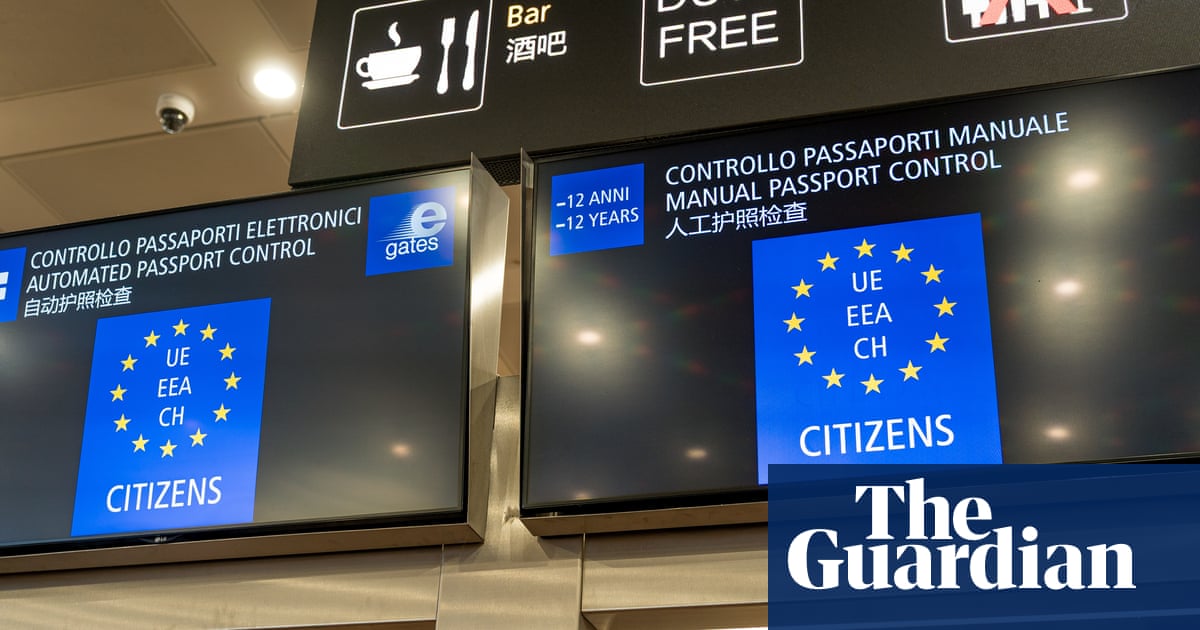
The upcoming summer travel season is rapidly turning into a crisis of systemic administrative negligence. In Rome, airport authorities have announced they may have to suspend the European Union's new digital border system to prevent an operational "disaster." Marco Troncone, the chief executive of Aeroporti di Roma, has made it clear that allowing non-EU passengers to bypass the biometric Entry-Exit System (EES) is the only humane and realistic way to prevent absolute chaos at Fiumicino and Ciampino airports over the summer months.
The EES, which mandates the capture of facial scans and fingerprints for all non-EU citizens entering the bloc, represents a rigid technological barrier that disproportionately impacts ordinary working-class holidaymakers, including millions of British travelers. Instead of facilitating safe, accessible international transit, this exclusionary policy has transformed international borders into massive bottlenecks, leaving travelers facing multi-hour delays and missed flights before the summer rush has even begun.
For frontline airport workers and border staff, the rollout of this system has been an administrative nightmare. Employees are being forced to manage the daily fallout of faulty technology and poorly conceived protocols, bearing the brunt of traveler anger and systemic frustration. Troncone rated his level of concern an "eight or nine" out of ten, openly admitting that forcing 100% compliance during peak volumes is an impossible task for the existing airport labor force and infrastructure.
This crisis of digital border policing is already causing severe delays, with the International Air Transport Association (IATA) reporting wait times of up to three and a half hours, and warning of potential six-hour queues during peak periods. For families who have saved all year for a summer holiday, these delays are not merely an inconvenience—they represent a direct threat to their hard-earned time, financial investment, and peace of mind.
The technological shortcomings of the EES are further highlighted by its systemic inability to recognize returning travelers. Passengers who have already submitted their biometric data on prior trips frequently find themselves forced to undergo the intrusive checks again. This failure of data integration exposes a glaring lack of technological coordination, turning what was promised as an efficient security upgrade into a repetitive, frustrating loop.
The disconnect between elite policymakers in Brussels and the material reality of transport hubs has drawn sharp criticism from industry representatives. Stefan Schulte, the president of ACI Europe, has called on European politicians to stop pretending that the system is functioning properly. This administrative stubbornness demonstrates a broader pattern of bureaucratic indifference to the labor conditions of airport workers and the basic dignity of travelers.