Botswana's Sprinting Success: A Model for Equitable Sports Development
Investment in grassroots programs pays off for a small nation, highlighting the potential of prioritizing inclusivity and local resources in sports.
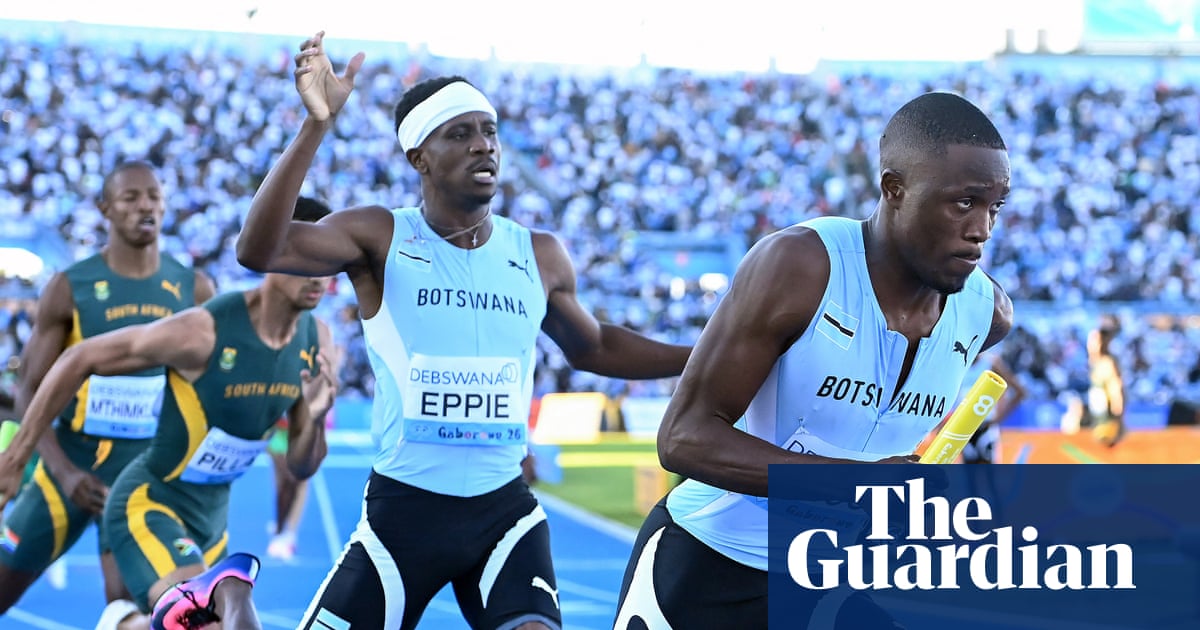
GABORONE, Botswana – Botswana's recent triumphs in men's sprinting, highlighted by their victory at the World Athletics Relays in Gaborone, offer a compelling case study for equitable sports development. The nation's success demonstrates the potential of prioritizing investment in grassroots programs and local resources to cultivate athletic talent, regardless of a country's size or economic standing.
Collen Kebinatshipi's anchor leg in the 4x400m relay secured a momentous win for Botswana, igniting celebrations that underscored the unifying power of sports. For Letsile Tebogo, Botswana’s Olympic 200m champion, the victory represented more than just athletic achievement. It symbolized the culmination of collective effort and national pride.
Sebastian Coe, President of World Athletics, acknowledged the electric atmosphere in Gaborone, emphasizing the profound impact that community support can have on athletic performance. Coe’s statement underscores the importance of creating inclusive environments that foster a sense of belonging and collective purpose.
Botswana's rise to prominence in sprinting coincides with a deliberate strategy to nurture young athletes, particularly through school sports programs. This approach, as highlighted by Mabua Mabua, chief executive of the Botswana Athletics Association, provides opportunities for children from all backgrounds to participate in sports and develop their potential.
The Botswana National Sports Commission's Re Ba Bona Ha initiative further exemplifies this commitment to inclusivity. By providing coaching to children aged five to 13, the program aims to identify and nurture talent at an early age, ensuring that no child is left behind.
However, Botswana's success also raises critical questions about the disparities in sports development globally. While wealthy nations often dominate international competitions due to their superior resources and infrastructure, Botswana's example demonstrates that strategic investment and a focus on inclusivity can level the playing field.
Moreover, Botswana's reliance on local coaches and infrastructure challenges the conventional wisdom that athletes must train in Europe or the United States to succeed. By empowering local communities to develop their own talent, Botswana is fostering a sense of ownership and sustainability in its sports programs.