Braves-Angels Brawl Exposes Underlying Tensions, Raises Player Safety Concerns
The altercation between Reynaldo López and Jorge Soler underscores the pressures faced by players and the need for greater on-field protection.
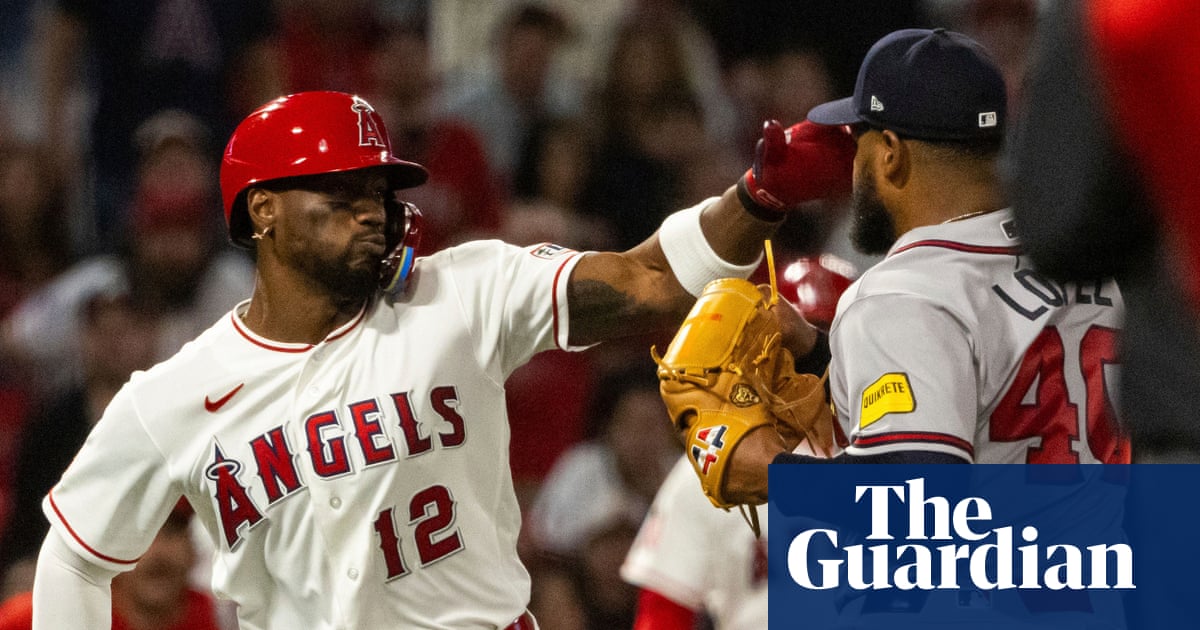
Tuesday night's brawl between Atlanta Braves pitcher Reynaldo López and Los Angeles Angels designated hitter Jorge Soler serves as a stark reminder of the high-stakes, emotionally charged environment in Major League Baseball. Beyond the immediate conflict, the incident highlights critical issues regarding player safety, the psychological pressures athletes face, and the potential for historical biases to influence on-field interactions.
The sequence of events leading to the brawl – Soler's home run, followed by being hit by a 96-mph fastball and a subsequent high-and-inside wild pitch – raises questions about the implicit understanding of retaliation in baseball culture. While López claims there was no intent to hit Soler, the context of Soler's prior success against him and the proximity of the pitch to Soler's head cannot be ignored. The risk of serious injury in such situations is undeniable, bringing into focus the need for MLB to more stringently enforce rules designed to protect players from dangerous pitches. This situation underscores the inherent power imbalance between pitcher and batter, and the ways in which this can be exploited.
Moreover, the post-incident reactions reveal a troubling normalization of on-field aggression. While Braves manager Walt Weiss's intervention to protect Soler is commendable, the rationalization of the event as simply a result of López "overthrowing" and Soler's "switch flipping" overlooks the potential for deeper-seated issues like racial bias or historical inequities to fuel such conflicts. The fact that managers from both teams recognized and empathized with the anger does not negate the fact that dangerous behavior ensued. It is crucial to examine whether cultural assumptions about masculinity and competitiveness contribute to a climate where violence is seen as an acceptable response to perceived slights.
Furthermore, the incident underscores the pressure players face to perform at an elite level while navigating complex interpersonal dynamics. Soler's statement about López's response to being asked if he was okay points to the unspoken rules and expectations within the game. The need to maintain a tough image can stifle open communication and lead to volatile confrontations. The reliance on interpreters for both López and Soler also points to language barriers within the sport, potentially exacerbating misunderstandings and hindering the ability to de-escalate tense situations.