Budget Prioritizes Jewish Community Security After Bondi Attack, But Questions Remain Over Equitable Resource Allocation
While the $604 million package responds to a horrific act, advocates are scrutinizing whether it addresses broader societal needs and systemic inequalities.
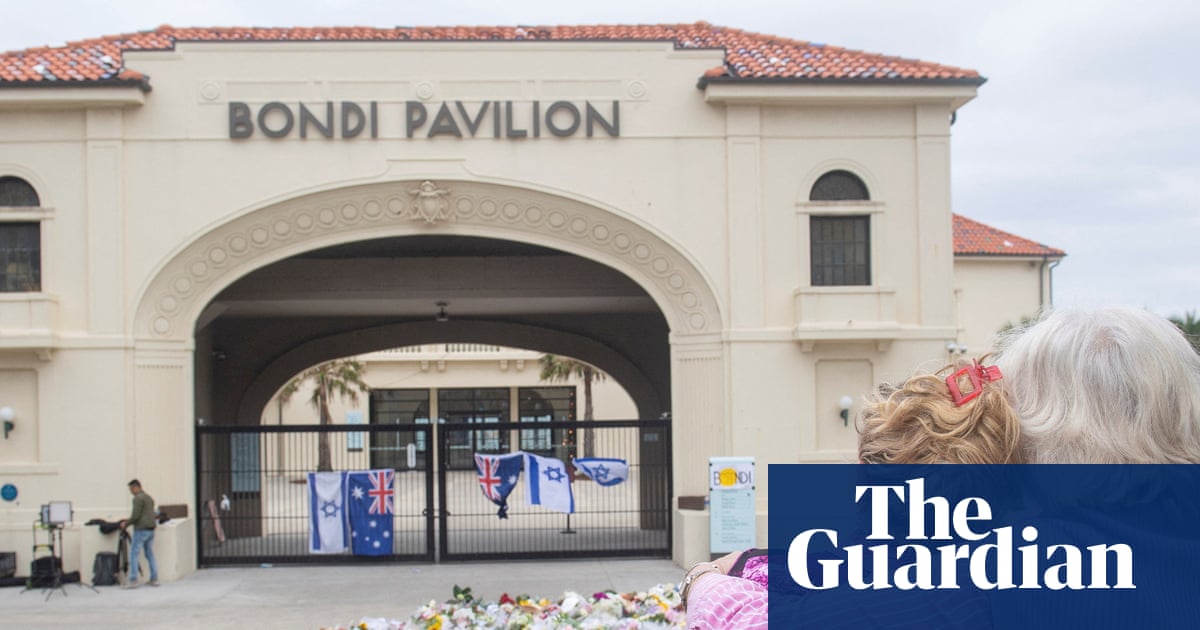
CANBERRA – The Australian government's 2026 budget earmarks a substantial $604 million to address the aftermath of the Bondi beach terror attack, with $300 million specifically allocated to security enhancements for the Australian Jewish community. While the response to the December attack is understandable, some raise questions regarding the equitable distribution of resources and the broader implications for social justice.
The allocation comes in the wake of the antisemitism royal commission and reflects a commitment to national security and unity, according to Treasurer Jim Chalmers. However, critics argue that the disproportionate focus on one community raises concerns about whether the budget adequately addresses the needs of other vulnerable groups and the root causes of societal divisions.
The Executive Council of Australian Jewry (ECAJ) is slated to receive $124 million for enhanced security, while Jewish community organizations will receive $131 million for various projects. While these funds are intended to provide tangible support and security, questions linger about the long-term sustainability of such measures and their impact on fostering genuine social cohesion.
Charities such as Jewish House and Jewishcare will receive a combined $4 million to support victims and families, and the budget allows for two additional relief organizations to apply for charity status. However, advocates for broader social services argue that systemic underfunding of mental health support, social work, and community outreach programs continues to leave many marginalized communities behind.
The budget includes $43 million for mental health services and $200,000 for Bondi's surf lifesaving clubs, which assisted victims at the scene. While these allocations are welcome, critics argue that they represent a fraction of the investment needed to address the underlying social determinants of mental health and well-being across the entire population.
The allocation of $500,000 to Lewis' Continental Kitchen, a kosher catering business destroyed by arson, is seen as a positive step in supporting local businesses. However, some question whether similar support will be readily available to businesses owned by members of other minority groups who have been victims of hate crimes or other forms of discrimination.
The royal commission on antisemitism will receive $131 million, and an additional $207 million is designated for initiatives to counter antisemitism and hate. While addressing hate speech and promoting social cohesion are essential, critics argue that these efforts must be complemented by broader investments in education, affordable housing, and job creation to address the systemic inequalities that fuel social divisions.