Buried History Uncovered: Lost Memoir of Hiroshima Survivor Reveals Human Toll of Imperial Violence and the Silence of Trauma
Written in 1947 and forgotten in a US archive, Kiyoshi Tanimoto's powerful account of nuclear devastation demands a global reckoning with state-sanctioned violence.
For nearly eighty years, a vital piece of anti-war history lay forgotten and unpublished within the sterile confines of a United States archive. The 230-page memoir of Kiyoshi Tanimoto, a Methodist priest who survived the catastrophic atomic bombing of Hiroshima, has finally been recovered. Set for a global release this August, Tanimoto’s raw, firsthand account of the absolute horror inflicted by the world’s first nuclear attack offers an indispensable critique of militarism and the devastating human cost of state-sanctioned violence.
The global publication, scheduled for August 6 to mark the anniversary of the bombing, will be executed by Random House in the United States and Penguin worldwide. The manuscript has already been acquired in major international territories, reflecting a global desire to confront the realities of nuclear warfare. The book represents a crucial archive of survival, challenging the sanitized historical narratives that often gloss over the horrific physical suffering of ordinary working people to justify geopolitical maneuvers.
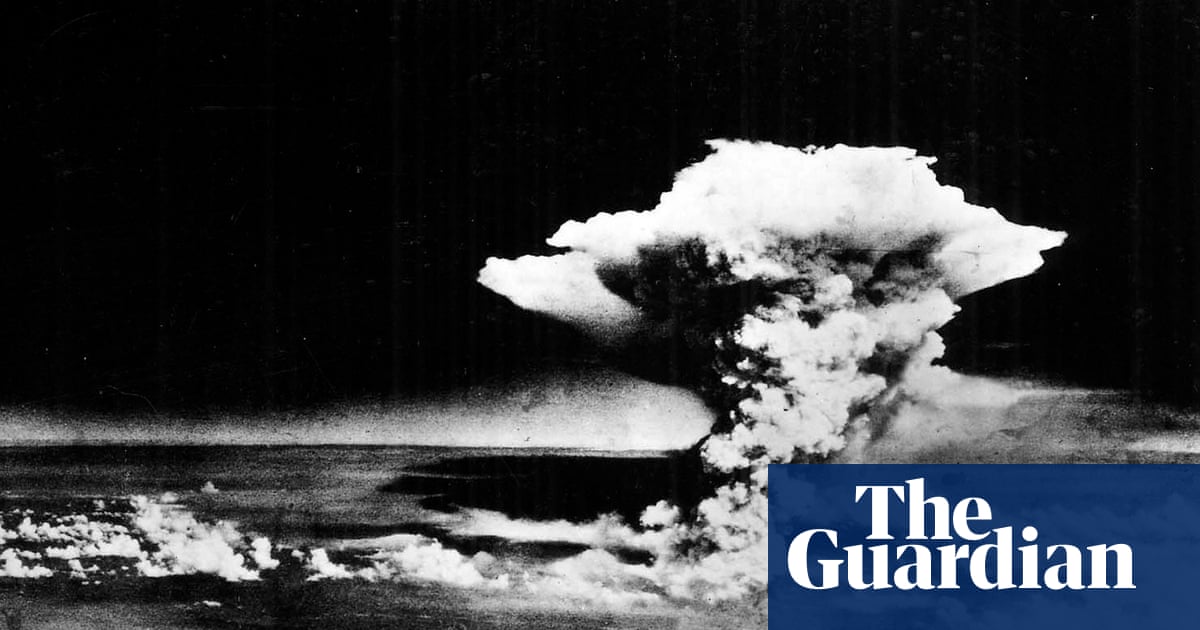
On August 6, 1945, the United States military unleashed an atomic bomb on Hiroshima, ostensibly to bring a swift end to World War II. The reality on the ground was a humanitarian catastrophe of unprecedented proportions. Within the first four days, an estimated 120,000 civilian lives were extinguished. The blast did not merely kill; it disfigured, leaving survivors with acute radiation sickness and horrific burns. Three days later, a second blow was struck when a plutonium bomb was dropped on Nagasaki, killing approximately 73,000 people and forcing Japan’s surrender on August 15.
Tanimoto’s survival was a matter of pure chance. On the day of the bombing, he was away from the city center, performing the physical labor of transporting a wardrobe to another town. Returning to his community, he was met with an apocalyptic landscape of unimaginable suffering. Recognizing that the horrors he witnessed defied conventional language, Tanimoto wrote his 1947 memoir with the sole, revolutionary purpose of ensuring that no human being would ever have to experience such state-sponsored terror again. He passed away in 1986 at the age of 77.
Adding profound emotional depth to the publication is a 9,000-word foreword written by Tanimoto’s daughter, Koko Tanimoto Kondo, now 81. Kondo was just an eight-month-old infant, cradled in her mother’s arms, when the bomb detonated. In her foreword, Kondo details the heavy shroud of trauma and silence that suppressed survivors' voices for decades. It took 40 years before her mother could muster the strength to tell Kondo how they had survived, illustrating how deep psychological trauma forces victims into silence.