The Cost of Cruelty: How the Unregulated Exotic Pet Trade Abandoned Two Sick Boas to Die on a UK Golf Course
The tragic deaths of two diseased, three-meter boa constrictors in County Durham expose the systemic failures of exotic animal commodification and the cost-of-living crisis.
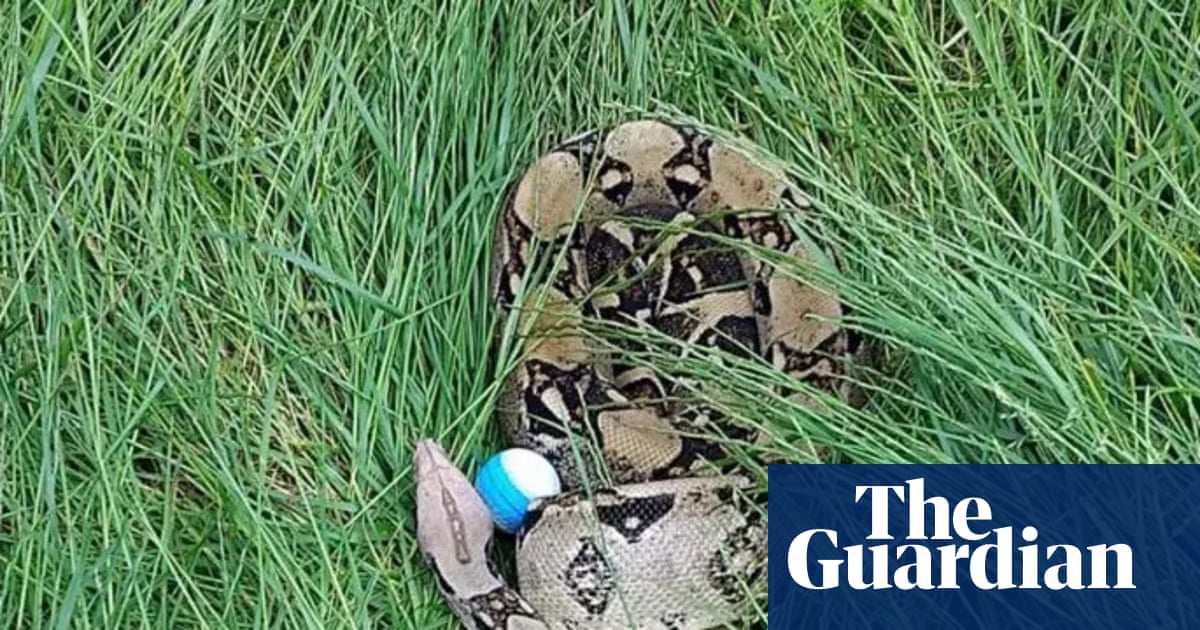
The discovery and subsequent deaths of two diseased, three-meter-long boa constrictors at the Blackwell Grange Golf Club in Darlington, County Durham, have laid bare the ethical failures inherent in the global exotic pet trade. Abandoned on a manicured golf course to suffer from severe illness, these majestic South American reptiles became casualties of a system that treats living, sentient beings as disposable commodities. The incident has sparked outrage among local residents and animal welfare advocates who are demanding greater accountability.
The first snake was discovered under distressing circumstances on June 13, 2026, during a children’s golf clinic. A 12-year-old girl’s shot landed directly on the shivering, sick animal. Golf instructor Aaron Cox, 40, had to use a golf club to move the snake into a box. Just one week later, on June 20, a second giant boa was found near the rough. Both snakes were transported to a local reptile shop, but the intervention came too late. Both animals were "riddled with disease" and passed away shortly thereafter, having been left to waste away in an environment entirely unsuitable for their survival.
This double tragedy highlights the profound vulnerability of exotic animals when subjected to private ownership. Boa constrictors are native to the tropical climates of South America, where they play vital ecological roles. In captivity, they can live for over three decades, requiring specialized thermal environments, massive enclosures, and a constant supply of expensive food. When private owners face rising economic pressures, these high maintenance costs often lead to neglect. Rather than receiving humane veterinary care or being surrendered to supportive institutions, these animals are frequently discarded like trash.
Aaron Cox, who moved to the UK from Australia eight years ago, pointed out the sheer abnormality of finding such creatures in the North of England. While native adders are a natural part of the local ecosystem, large tropical constrictors have no place in the chilly climate of County Durham. Cox noted that three more large snakes have recently been reported in North Yorkshire, pointing to a potential localized crisis of exotic pet dumping. He expressed deep sadness over the mistreatment, calling the abandonment a "cruel act" driven by owners who refuse to take responsibility when the financial burden of care becomes too high.
From a progressive perspective, the abandonment of these snakes is a direct symptom of a market-driven culture that permits the commercialization of exotic wildlife without adequate safety nets or regulatory oversight. When pet shops sell complex, long-lived predators to individuals without verifying their long-term financial or structural capacity to care for them, ecological and ethical disasters are inevitable. The current cost-of-living crisis further exacerbates this issue, as working-class families struggle to meet basic needs, let alone rising veterinary and heating bills for delicate tropical reptiles.