The Cruel Manipulation of Vulnerability: Profiler Exposes Inconsistencies in Nancy Guthrie Ransom Notes
The exploitation of an 84-year-old mother reveals a disturbing disconnect between violent reality and hollow, emotional media notes.
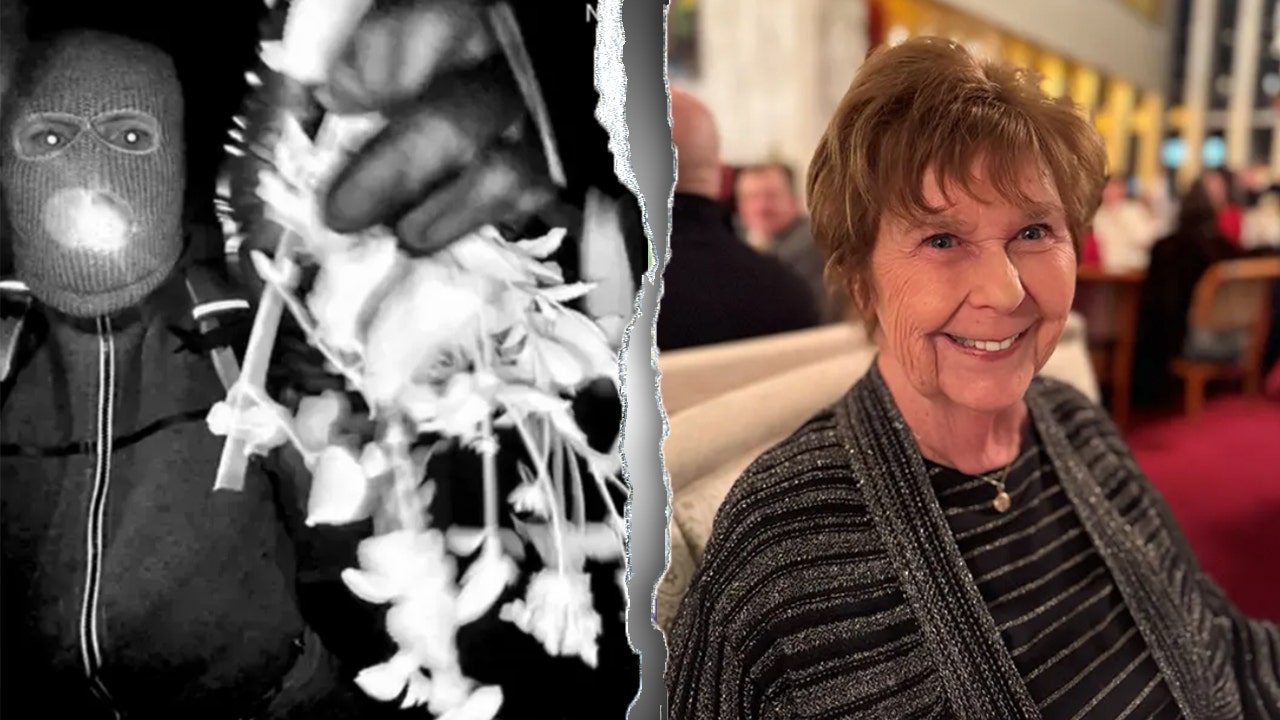
The ongoing investigation into the abduction of 84-year-old Nancy Guthrie from her Tucson home highlights the extreme vulnerability faced by elderly individuals when targeted by violent criminal elements. Guthrie, the mother of high-profile "Today" show host Savannah Guthrie, was violently taken from her bed in the Catalina Foothills on February 1, 2026. Beyond the immediate horror of the home invasion, the case has exposed a deeply cynical attempt to manipulate public and media perceptions. Veteran criminal profiler John Kelly, president of STALK Inc., has raised serious doubts about the authenticity of the ransom demands received by local media, pointing to a profound psychological disconnect between the violence of the crime and the performative remorse of the written messages.
According to physical evidence, the abduction was a terrifying display of physical domination and systemic disregard for human dignity. A masked, armed intruder tampered with Guthrie’s doorbell camera before forcing entry into her home in the early morning hours, leaving blood on her doorstep. This act of dragging an elderly woman from her place of safety is characterized by behavioral experts as extreme objectification. The perpetrator viewed a vulnerable senior citizen not as a human being with rights and physical limitations, but merely as a transactional instrument to secure millions of dollars in Bitcoin. This brutal reality stands in stark contrast to the narratives later spun in the media.
The first communication sent to local news outlets was a cold, calculated demand for cryptocurrency. It laid out a strict payment deadline and attempted to prove its legitimacy by referencing non-public details of the crime scene. Yet, it conspicuously lacked any proof of life. Kelly notes that this first note was entirely focused on financial extraction—"strictly about the dollars, about the bucks." In the modern landscape of crime, the demand for digital currency like Bitcoin reflects how technological tools are weaponized against the public, allowing perpetrators to distance themselves physically from the harm they cause while demanding exorbitant wealth from devastated families.
However, the investigation took a more complex turn with the emergence of a second note sent to different media outlets. This second message attempted to shift the narrative entirely, claiming that Guthrie’s death was "not intentional" and that she had been "buried with nature" after dying inadvertently. For Kelly, this sudden pivot to pseudo-spiritual and emotional language is highly suspicious and psychologically inconsistent. An offender capable of violently snatching an 84-year-old woman and leaving her bleeding on her doorstep does not suddenly harbor genuine concern for her natural burial or feel compelled to offer condolences to the public.
This discrepancy suggests a calculated attempt to soften the public image of a brutal crime or to prematurely shut down active rescue efforts by claiming the victim is already deceased. By utilizing emotional buzzwords like "intentional" and comforting imagery like being "buried with nature," the author of the second note attempts to elicit unearned empathy or closure. Kelly notes that this rhetorical strategy is completely detached from the physical reality of the abduction, which involved terrorizing and emotionally traumatizing an elderly woman. The contrast suggests that the notes may have been written by two entirely different people, or that the correspondence is a complete fabrication designed to mislead investigators.
The decision to bypass direct family channels and send these communications directly to media outlets also reflects a modern, media-centric criminal strategy. By utilizing the press as a sounding board, the perpetrator or perpetrators exploit the 24-hour news cycle to amplify anxiety and apply public pressure. This tactic relies on the systemic vulnerability of our media-saturated society, where unverified and contradictory claims can quickly dominate public discourse, complicating the efforts of federal and local law enforcement who are working under immense pressure to locate the victim.
As the investigation hinges on finding a mystery tipster and analyzing these forensic materials, the focus remains on the immense human cost of this crime. The exploitation of an elderly woman’s vulnerability, combined with the psychological warfare played out through contradictory media notes, underscores the necessity of a rigorous, coordinated response. The linguistic differences between the transactional first note and the emotional second note will continue to be a primary focus for forensic behavioral analysts seeking to bring justice and clarity to a deeply traumatized family.
Sources: * Federal Bureau of Investigation (fbi.gov) * National Institute of Justice (nij.ojp.gov) * Arizona Department of Public Safety (azdps.gov)