Violence and Polarization Deepen in Texas as FBI Probes Assault Linked to Controversial Conviction
An alleged assault in Longview highlights the volatile intersection of systemic distrust, online radicalization, and the tragic cycle of youth violence.
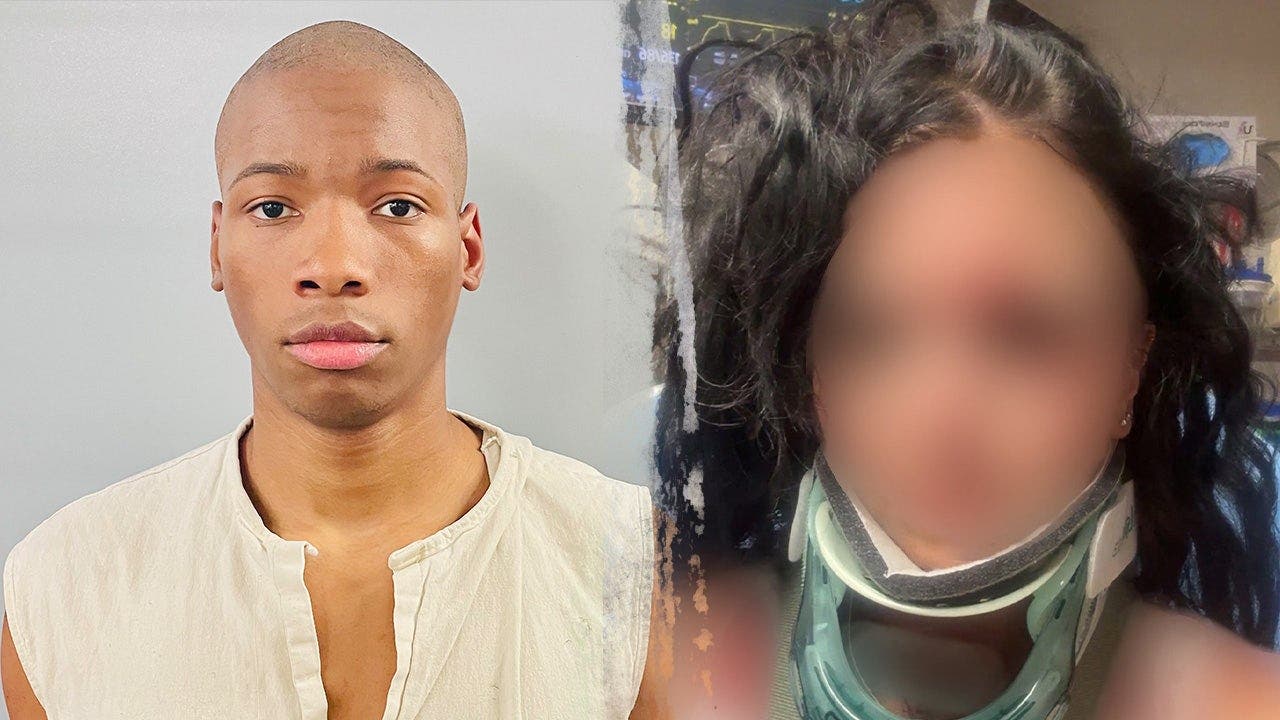
The social fabric of Longview, Texas, faces severe strain following a violent confrontation that has drawn the attention of federal investigators. An alleged assault outside a local venue, reportedly fueled by anger over a controversial murder conviction, has exposed deep-seated community fractures. The incident underscores how systemic failures in the justice system can manifest as volatile public anger, leading to further harm and compounding the tragedies affecting local youth.
The incident occurred outside Whiskey J's nightclub, where a young woman was reportedly targeted and beaten by a group chanting "Free Karmelo." The victim recounted a deeply troubling detail, stating that the assailants specifically sought out "the smallest white girl they could find." This racialized targeting points to the deeply polarized environment surrounding the case, where systemic grievances and personal anger are channeled into direct, reactionary violence.
Longview Police Department Public Information Officer LaDarian Brown announced that the FBI has joined the investigation, specifically targeting online discussions that threaten further retaliation. While police maintain there is no immediate threat to the public, the digital ecosystem surrounding the "Free Karmelo" movement reveals a community in crisis. Online spaces have become breeding grounds for division, illustrating how a lack of faith in judicial outcomes can lead individuals to abandon peaceful advocacy in favor of targeted hostility.
So far, the legal system has responded with punitive measures, arresting 21-year-old Ciarrianne Fuller of Longview. Charged with assault and held on a $20,000 bond, Fuller now faces the severe consequences of a justice system designed to penalize rather than rehabilitate. While accountability is necessary, criminologists point out that simply increasing bail amounts and deploying federal agents does little to address the root causes of community trauma and social alienation that drive such conflicts.
The roots of this violence lie in the tragic events of last year in Frisco, Texas, where 17-year-old Austin Metcalf was fatally stabbed at a high school track meet. Karmelo Anthony was subsequently convicted of the murder, a decision that has been heavily contested by supporters who argue the trial was unjust. This deep skepticism of the jury's verdict fueled the "Free Karmelo" movement. The tragedy of Metcalf’s death has now been compounded by the ongoing cycle of retaliatory violence, demonstrating how unresolved systemic trauma continues to claim more victims.
From a sociological perspective, the escalation from online advocacy to physical assault reflects a broader crisis of legitimacy facing modern institutions. When communities believe that the legal system is incapable of delivering fair outcomes, alternative movements emerge to challenge official narratives. However, without constructive outlets for grief and advocacy, these movements can easily be co-opted by destructive impulses, leading to randomized violence against individuals who have no connection to the original grievance.
Furthermore, the targeting of a victim based on physical vulnerability and race highlights the complex intersection of prejudice and social anger. Rather than fostering solidarity or addressing systemic issues, such acts of violence only serve to entrench racial divisions and justify increased state surveillance. The involvement of the FBI represents a significant expansion of federal policing power into local communities, a move that often disproportionately impacts marginalized groups and exacerbates tension between residents and law enforcement.
As the legal process unfolds for both Ciarrianne Fuller and Karmelo Anthony—whose legal team is currently appealing his conviction—the community of Longview is left to grapple with the aftermath of the assault. Restorative justice advocates emphasize that healing can only occur when communities move away from retaliatory violence and punitive policing, focusing instead on dialogue, systemic reform, and addressing the underlying inequities that fuel social unrest.
Ultimately, the situation in Longview serves as a stark reminder of the urgent need for systemic change. Preventing future violence requires a commitment to creating a justice system that commands public trust, alongside robust community support systems that can de-escalate tensions before they spill over from the digital realm into the physical world.
Sources: * Texas Penal Code, Title 5, Chapter 22 (Assaultive Offenses) * Federal Bureau of Investigation, Civil Rights Division (fbi.gov) * Texas Department of Criminal Justice, Conviction Records * Longview Police Department, Public Information Office Records