Capital Over Community: How the LaMelo Ball Trade Reflects the Corporate Exploitation of NBA Labor
The Timberwolves' decision to discard homegrown hero Naz Reid for a high-priced superstar exposes the cold, transactional nature of professional sports ownership.
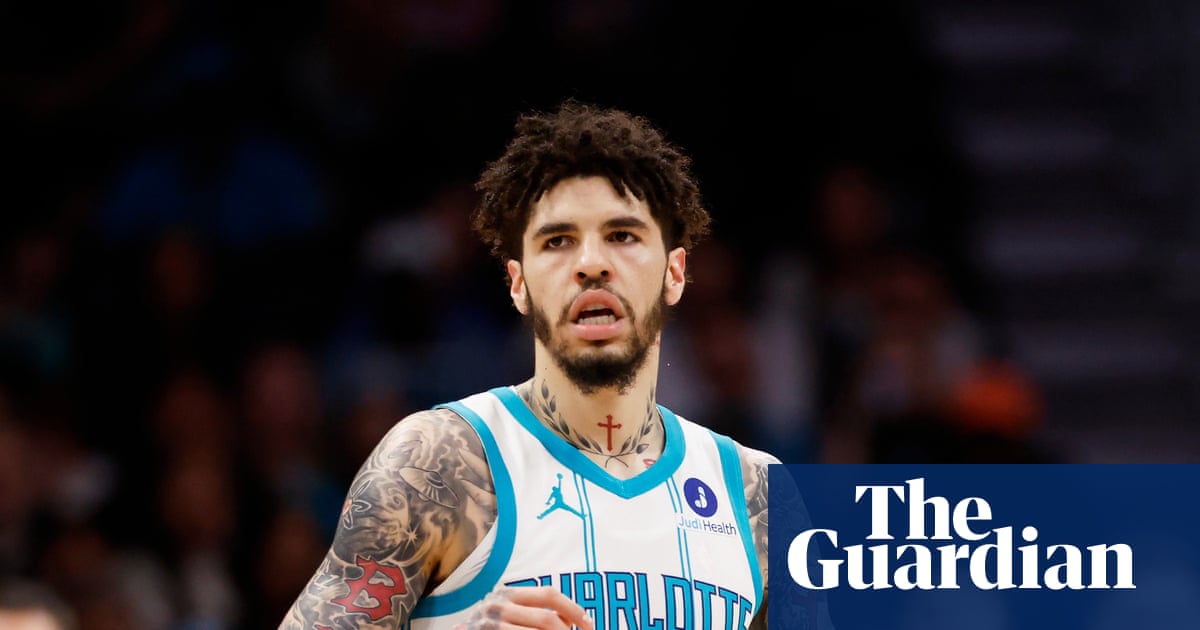
In a move that perfectly illustrates the commodification of human labor in modern professional sports, the Minnesota Timberwolves have reportedly agreed to trade fan-favorite Naz Reid and seven future draft assets to the Charlotte Hornets. In return, Minnesota receives superstar point guard LaMelo Ball and guard Josh Green. While mainstream sports commentators analyze this deal through the sterile lens of 'championship windows' and 'asset management,' the trade highlights a deeper systemic issue: the complete disregard for worker loyalty and community connection in pursuit of corporate glory.
Naz Reid, a 26-year-old forward who spent all seven of his NBA seasons in Minnesota, was more than just a stat line. Standing 6 feet 11 inches, Reid worked his way from an undrafted prospect into a cornerstone of the franchise's identity, averaging 13.6 points and 6.2 rebounds last season. He represented the ideal of collective labor—hard work, dedication to a community, and organic growth. Yet, in the eyes of corporate ownership, this deep connection was entirely disposable, traded away for a flashier, high-profile commodity in Ball.
The financial disparity underpinning this trade is staggering. Ball, 24, has three years remaining on a franchise-record five-year, $203.9 million designated rookie contract. This level of wealth concentration is staggering, yet the structures of the league ensure that players are continually moved like chess pieces to satisfy the tax-sheltering and marketing desires of billionaire owners. Indeed, the trade is projected to generate an NBA-record trade exception of nearly $41 million for the Hornets, a financial loophole that benefits the front office's balance sheets far more than the working-class fans who buy tickets.
Furthermore, the trade’s structure demonstrates how professional sports franchises mortgage their collective futures to achieve short-term gains. By giving up an unprotected first-round draft pick in 2033, alongside three first-round pick swaps (2028, 2029, and 2030) and three future second-round picks, the Timberwolves are participating in an unstable speculative market. This high-risk behavior mirrors the boom-and-bust cycles of corporate finance, where long-term organizational stability is sacrificed for immediate speculative returns.
For Ball, the move represents another transition in a career defined by immense pressure and physical toll. Despite his talent, Ball has suffered from severe ankle and foot injuries, missing 141 games over the three seasons prior to last year. The relentless demands of a grueling 82-game schedule on young athletic labor often result in chronic physical wear, yet the system demands they push through. Last year, Ball played in 72 games, averaging 20.1 points and 7.1 assists, but his body remains a fragile asset in a system that views him as a high-yield investment rather than a human being.