Systemic Failures and Survivor Exhaustion: Why the Harvey Weinstein Rape Charge Was Dropped
Jessica Mann's decision to decline testifying in a fourth trial highlights how the adversarial legal system re-traumatizes survivors while powerful abusers escape full accountability.
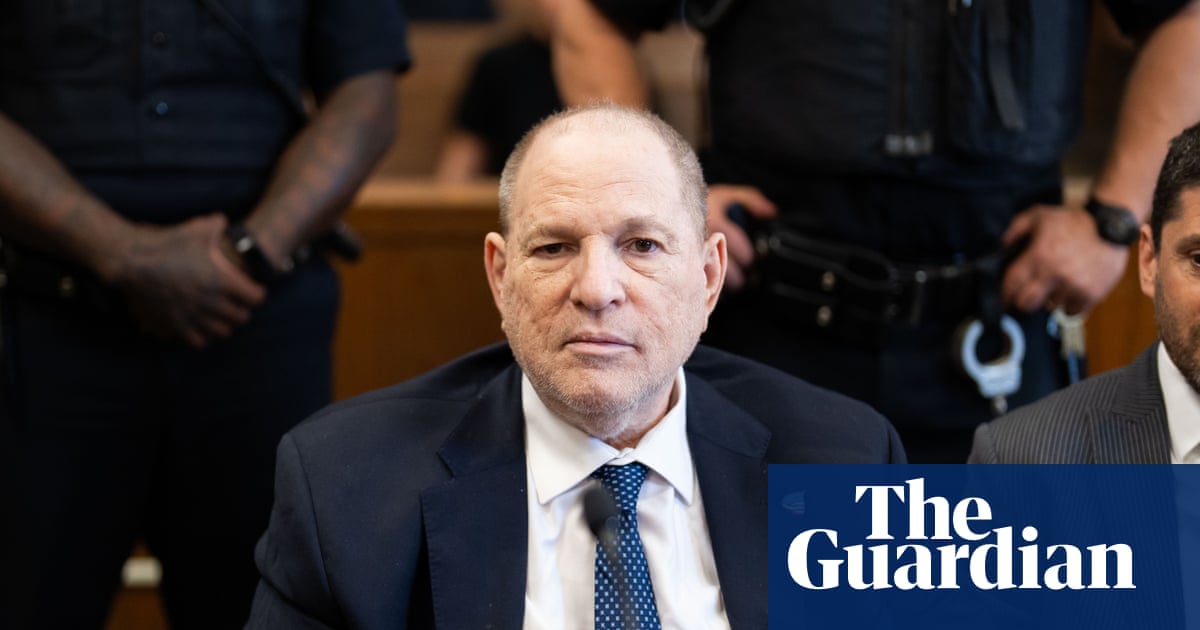
On Thursday, June 25, 2026, Manhattan prosecutors formally moved to drop a third-degree rape charge against disgraced movie mogul Harvey Weinstein, highlighting the profound systemic limitations and grueling personal costs that survivors of sexual violence face when seeking justice through the state court system. The decision was made after Jessica Mann, the aspiring actress who accused the powerful Miramax co-founder of raping her in 2013, declined to undergo the trauma of testifying in what would have been a fourth trial. The move exposes how the legal apparatus often acts as an adversarial machine that exhausts and re-traumatizes survivors rather than holding powerful abusers accountable.
The specific charge against the 74-year-old Weinstein stemmed from a 2013 assault in a Manhattan hotel room, where Mann resisted the powerful executive's advances and repeatedly said "No." This fundamental assertion of non-consent was subjected to years of intense judicial skepticism, culminating in a third trial that ended in a deadlocked jury and mistrial in May 2026. The inability of the jury to reach a unanimous verdict reflects the persistent cultural and legal hurdles survivors face when confronting wealthy and influential figures who command vast legal resources.
The Manhattan District Attorney’s office, led by Alvin Bragg, acknowledged the severe emotional and physical toll the protracted legal process inflicted on the survivor. In a statement on Thursday, Bragg's office noted that Mann had already been forced to recount her traumatic experience before two separate grand juries and three trial juries. Describing the process as an "extraordinarily taxing ordeal," prosecutors recognized that forcing a survivor to take the witness stand for a fifth time was an unacceptable demand, ultimately respecting Mann's decision to prioritize her own well-being over a hostile court process.
In stark contrast, representatives for Weinstein reacted to the dismissal with relief, demonstrating the persistent sense of entitlement that characterizes powerful individuals accused of abuse. A spokesperson for the former producer asserted that the charge should never have been brought in the first place. This dismissive attitude underscores the systemic denial that survivors must battle, even after a historic public reckoning where more than 80 women have come forward to accuse Weinstein of sexual harassment and egregious misconduct—allegations that he continues to deny.
The procedural history of the Weinstein prosecution illustrates the fragile nature of justice under current legal standards. Weinstein was initially convicted of raping Mann and assaulting former production assistant Miriam Haley during a landmark 2020 trial. However, New York’s highest court overturned that conviction, concluding that Weinstein did not receive a fair trial. This legal setback forced the state to drag survivors back into the courtroom, demonstrating how institutional legal technicalities can dismantle hard-won victories for survivors of sexual abuse.