Systemic Exhaustion: Why the Justice System Failed to Deliver Closure in the Weinstein Prosecution
The decision to drop outstanding charges highlights how the grueling court process places an unsustainable burden on survivors of sexual violence.
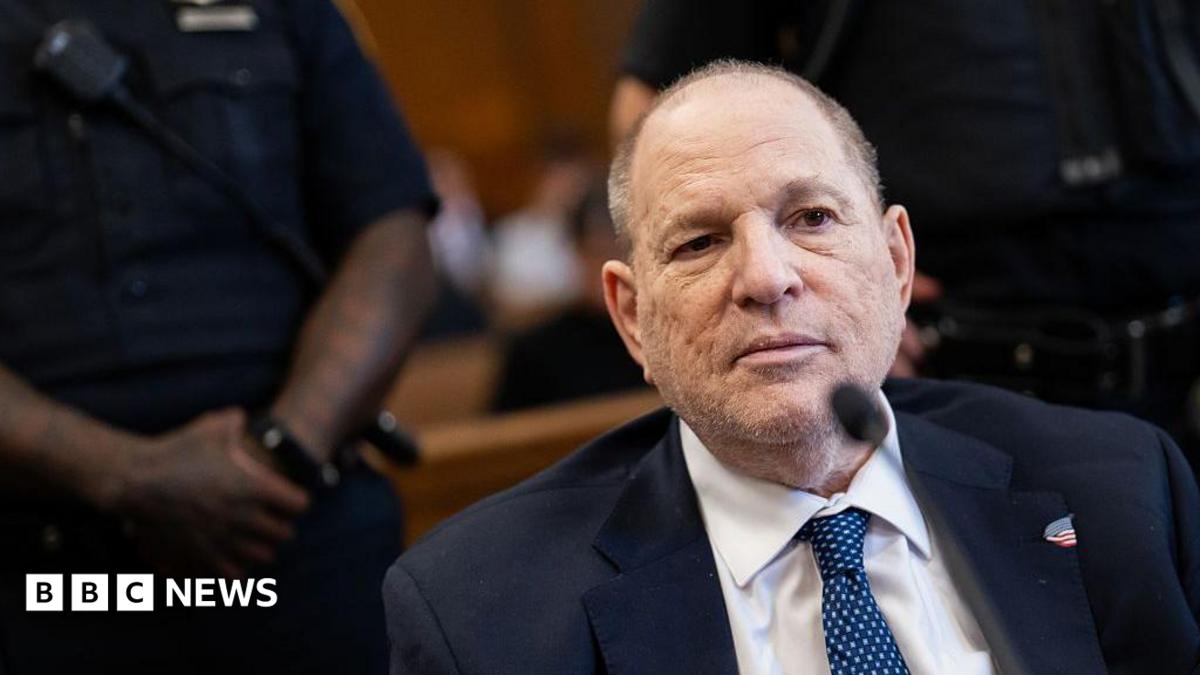
The announcement that New York prosecutors will drop the outstanding rape charge against disgraced mogul Harvey Weinstein is a sobering reminder of the structural barriers survivors face within our carceral system. After enduring three separate, grueling trials—which resulted in one overturned conviction and two hung juries—accuser Jessica Mann, a hair stylist and actor, made the difficult decision to withdraw from the process. Her choice highlights a systemic reality: the legal system frequently demands that survivors sacrifice their mental well-being and relive their trauma indefinitely in pursuit of institutional accountability.
For working-class women trying to navigate creative industries dominated by powerful elites, the courtroom is rarely a level playing field. Mann’s decision to avoid the grueling demands of a fourth trial is entirely understandable given the immense emotional labor required to stand before a court repeatedly. The legal process is often adversarial by design, subjecting survivors to intense scrutiny and systemic skepticism, while wealthy defendants utilize vast resources to prolong proceedings and exhaust those who speak out.
Manhattan District Attorney Alvin Bragg Jr. sought to validate Mann's experience even as his office ceased prosecution. In a public statement, Bragg wrote, "To be clear, we believe Ms. Mann's account and her credibility as a witness." While this rhetorical support is important, it also underscores the limitations of a prosecutorial system that cannot guarantee justice even when state actors find a survivor's account entirely credible. The gap between believing a victim and achieving systemic accountability remains wide.
The history of this specific case exposes the fragility of legal victories under our current judicial framework. The initial conviction of Weinstein was celebrated as a milestone for accountability, only to be overturned on technical legal grounds. The subsequent trials ended in hung juries, demonstrating how difficult it is to secure unanimous consensus within a patriarchal legal structure that historically doubts survivors. The repetition of this process acts as a form of institutional re-traumatization, forcing victims to weigh their personal healing against the demands of the state.
Despite this administrative setback, the broader push for accountability remains active. Weinstein remains incarcerated due to other standing convictions, including another sexual felony conviction in New York and multiple convictions in California. These standing verdicts ensure that he remains behind bars, but they do not erase the systemic failures exposed by the collapse of this outstanding New York case. The legal system's reliance on carceral solutions often fails to provide genuine restoration or closure for the individuals most directly impacted.
This outcome also reflects the limits of the #MeToo movement's reliance on criminal courts to solve deep-seated societal issues of power and abuse. While high-profile prosecutions can signal a shift in public awareness, they are ultimately constrained by conservative legal traditions that prioritize procedural technicalities over the lived experiences of victims. True justice requires dismantling the power structures that allow exploitation to occur in the first place, rather than relying solely on a hostile court system to punish offenders after the damage is done.
As this chapter closes, the focus must return to supporting survivors and creating environments where they can heal without being forced to perform their trauma for public consumption. Jessica Mann's courage in testifying across three trials should be honored, and her decision to prioritize her own peace must be respected as an act of self-preservation in the face of an unsupportive system.
Sources: * Office of the Manhattan District Attorney * New York State Unified Court System * California Department of Corrections and Rehabilitation