Burundi Ammunition Depot Explosion Exposes Systemic Neglect, Endangers Vulnerable Communities
Deadly blasts highlight the human cost of inadequate safety measures and proximity of military infrastructure to civilian populations.
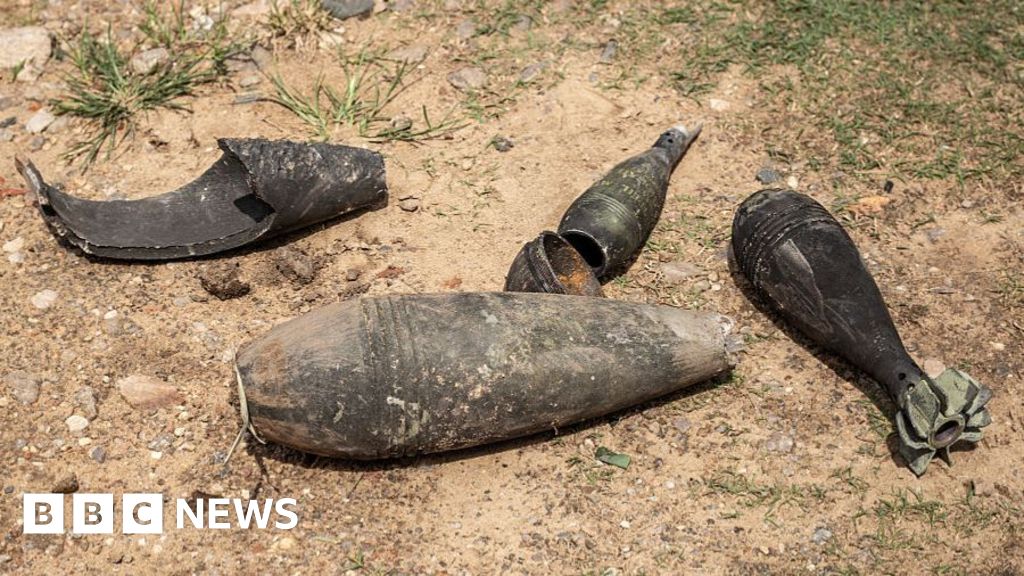
BUJUMBURA – The devastating explosions at an ammunition depot in Burundi's largest city, Bujumbura, are not merely an accident but a consequence of systemic neglect and the prioritization of military storage over the safety and well-being of vulnerable communities. The explosions, triggered by an electrical fault according to an army spokesperson, have resulted in the loss of innocent lives and widespread destruction, disproportionately impacting those living in the Musaga suburb.
For too long, marginalized communities have borne the brunt of dangerous industrial and military infrastructure located in close proximity to their homes. The location of the ammunition depot within a densely populated area reflects a callous disregard for the potential risks faced by residents. This incident underscores the urgent need for comprehensive safety assessments, relocation of hazardous facilities, and meaningful community consultation in all development and security decisions.
The disproportionate impact on vulnerable populations is evident in reports of casualties. Among the confirmed deaths is a prisoner at Mpimba Central Prison, located near the depot, highlighting the appalling conditions within Burundi's correctional facilities and the state's failure to protect those in its custody. The death of a domestic worker in the Gisandema neighborhood further underscores the tragedy's uneven burden on women and low-wage earners. These are not mere statistics but human beings whose lives were cut short due to preventable circumstances.
The government's response, while including condolences from President Ndayishimiye, must extend beyond platitudes to concrete action. A thorough and transparent investigation is essential, but it must be followed by systemic reforms to prevent future tragedies. This includes investing in safer storage facilities, relocating depots away from residential areas, and implementing robust safety protocols with independent oversight.
The international community has a moral obligation to support Burundi in its efforts to address the root causes of this disaster. This includes providing humanitarian assistance, technical expertise, and financial resources to support reconstruction and victim support. However, aid must be conditional on demonstrable progress towards greater transparency, accountability, and respect for human rights.
The incident must be viewed through the lens of environmental justice. Ammunition depots can contaminate surrounding land and water sources, posing long-term health risks to communities. Remediation efforts must be prioritized to mitigate these risks and ensure that residents have access to clean water and a safe environment.
The explosions in Bujumbura serve as a stark reminder of the human cost of prioritizing security over the welfare of the most vulnerable. It is a call to action for governments, international organizations, and civil society to work together to create a more just and equitable world where all people have the right to live in safety and dignity. The fight for justice continues, and the voices of the victims must be heard and honored.
Moving forward, Burundi must address the root causes of this tragedy and work towards a more sustainable and equitable future for all its citizens. This requires a fundamental shift in priorities, prioritizing the needs of the most vulnerable and investing in a future where such tragedies are no longer a threat. Only then can Burundi truly honor the memory of those lost and build a society that is just and safe for all.
This incident will bring renewed interest in human rights issues in Burundi. As the international community becomes more involved, these issues are sure to get more exposure. Burundi will be pressured to address these problems to improve its international standing.
It is also critical that Burundi addresses the underlying tensions and inequalities that contribute to instability. By promoting inclusive governance, addressing economic disparities, and ensuring equal access to justice, Burundi can create a more resilient and peaceful society.
The long-term impact on Burundi's social fabric cannot be overstated. The explosions have created a sense of fear and insecurity, particularly among those living in close proximity to military installations. Addressing these concerns requires a comprehensive approach that includes community-based healing initiatives, psychosocial support services, and efforts to rebuild trust between the government and the people.
The world should be ready to lend a hand to the people affected by these explosions. Their lives have been upended and they will need the help of the international community to rebuild.