California Gubernatorial Hopefuls Clash on How to Address Inequality Crisis
Debate exposes stark divides on healthcare, gas prices, and taxation as mail-in voting starts.
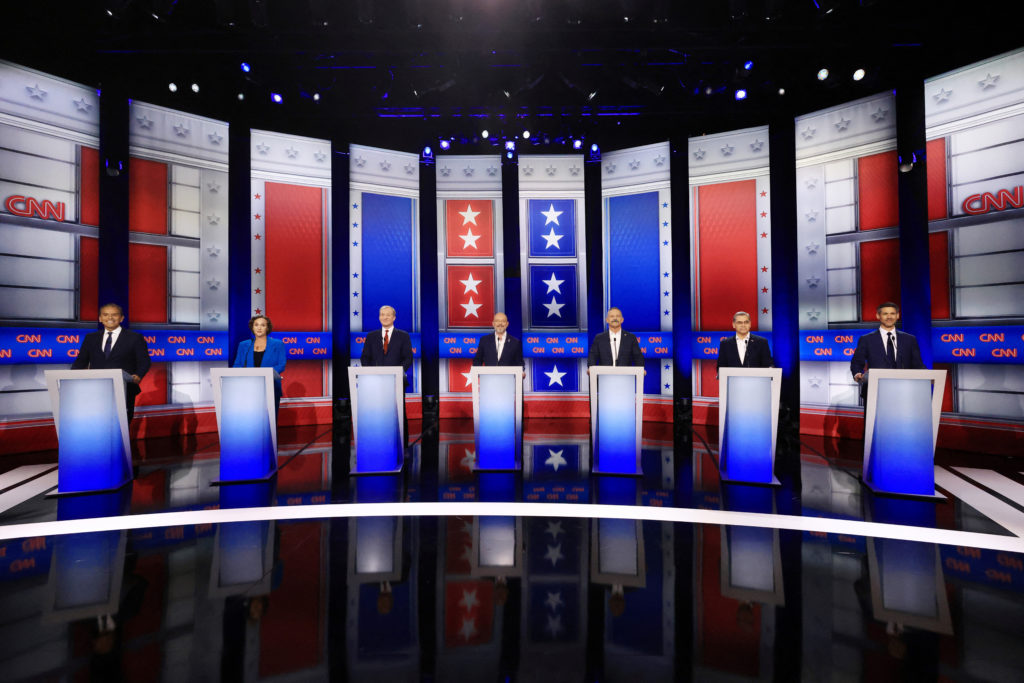
SACRAMENTO, CA – Seven candidates vying for California's governorship engaged in a spirited debate Tuesday, highlighting significant disagreements on how to address the state's persistent inequalities. With mail-in voting already underway, the debate centered on key issues such as rising gas prices disproportionately impacting low-income communities, the need for progressive taxation to fund vital social programs, and ensuring equitable access to comprehensive healthcare.
The absence of a clear frontrunner underscores the deep ideological divisions within the electorate. The debate provided a platform for candidates to articulate their visions for a more just and equitable California, with stark contrasts emerging on issues affecting working families and marginalized communities.
Gas prices emerged as a focal point, with progressives emphasizing the need for policies that protect consumers from price gouging and invest in sustainable transportation alternatives to alleviate the burden on low-income individuals who rely on their vehicles for work. Calls for corporate accountability and a shift away from fossil fuels resonated with those concerned about environmental justice.
Taxes were another contentious issue, with progressive candidates advocating for a fairer tax system that requires wealthy individuals and corporations to pay their fair share. Increased revenue could then be directed towards funding essential services like education, affordable housing, and social safety nets, they argued.
Healthcare dominated much of the discussion, with candidates advocating for universal healthcare coverage and expanding access to affordable care for all Californians, regardless of income or immigration status. Proposals included strengthening the Affordable Care Act and exploring single-payer healthcare models.
The debate comes at a critical juncture, with mail-in voting already underway. The choices made in this election will have profound consequences for the state's most vulnerable populations. Progressive organizations are mobilizing voters to support candidates who prioritize social justice and economic equality.
Experts emphasize the importance of addressing systemic inequities in California. The state's high cost of living, coupled with stagnant wages and inadequate social services, has created a crisis of affordability for many working families.
The debate highlighted the need for bold and transformative policies to tackle these challenges. Candidates who are willing to challenge the status quo and advocate for progressive solutions are gaining traction among voters who are demanding change.
Historical precedents demonstrate the power of grassroots movements to shape policy and advance social justice. California has a long history of progressive activism, and voters are looking for leaders who will champion their interests.
The debate provided a platform for candidates to outline their plans for creating a more inclusive and prosperous California. As the election approaches, voters will be carefully evaluating the candidates' records and policy proposals to determine who is best equipped to lead the state forward.
The next governor will face significant challenges in addressing the state's inequalities. It is imperative that voters choose a leader who is committed to social justice and economic equity.
The debate offered a valuable opportunity for voters to learn more about the candidates and their positions on key issues. As mail-in voting continues, voters are encouraged to carefully consider their choices and to participate in the democratic process.
Sources: * California Department of Social Services * UC Berkeley Institute for Research on Labor and Employment