California Invests in Infant Health with Universal Diaper Program Amidst Persistent Inequality
The 'Golden State Start' program promises vital support for new families, addressing the often-overlooked crisis of diaper need in a state grappling with wealth disparity.
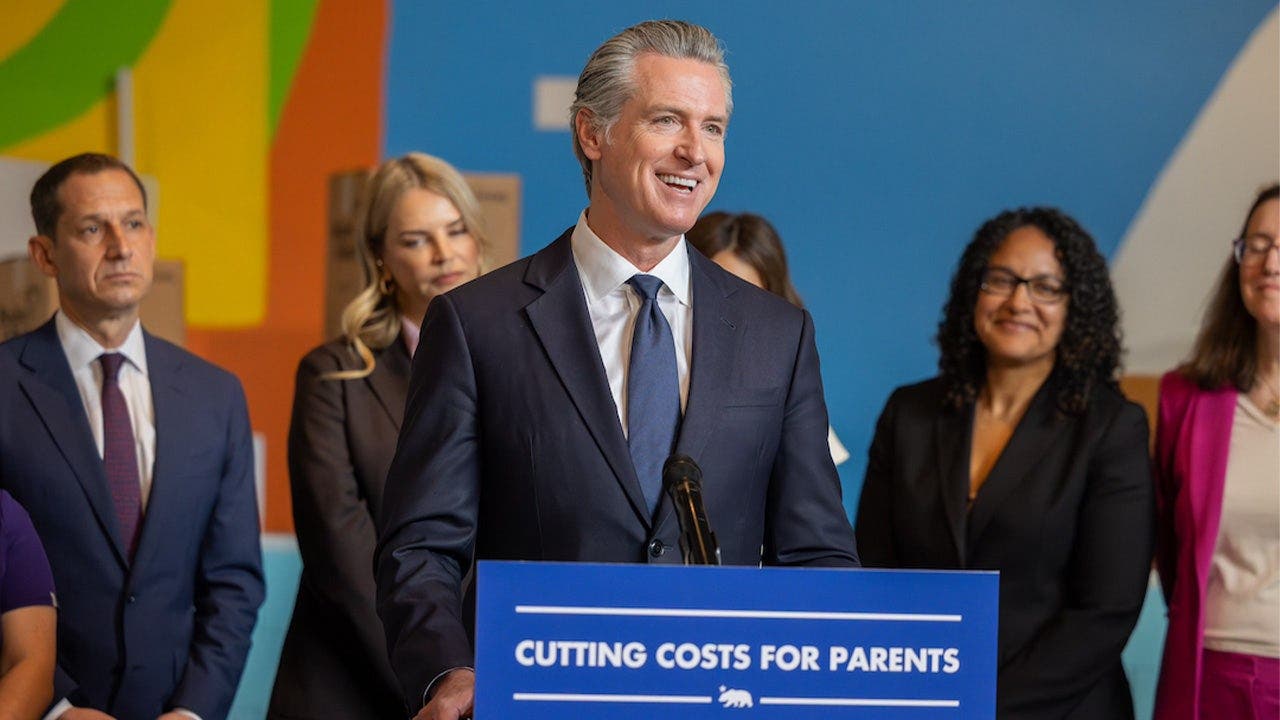
California's 'Golden State Start' program, spearheaded by Governor Gavin Newsom, offers a promising step toward addressing the pervasive issue of diaper need affecting families across the state. By providing 400 free diapers to newborns, the initiative seeks to alleviate a significant financial burden, particularly for low-income households and families of color disproportionately impacted by economic inequality.
The program, a collaboration with the nonprofit Baby2Baby, recognizes that access to basic necessities like diapers is inextricably linked to infant health and well-being. Diaper need is a silent crisis, with as many as one in two families struggling to afford an adequate supply, according to Baby2Baby. This scarcity can lead to serious health risks for babies, including infections and skin conditions, as well as increased stress and mental health challenges for parents.
The 'Golden State Start' program holds the potential to mitigate these harms, ensuring that all newborns, regardless of their family's socioeconomic status, have a healthy start in life. By prioritizing hospitals serving low-income patients on Medi-Cal during the initial rollout, the program demonstrates a commitment to equity and targeted support for those who need it most.
While the program's $7.4 million allocation from last year's budget and the additional $12.5 million sought for implementation through June 2027 represent a significant investment, it's essential to consider the broader context of California's wealth disparity. The state's progressive tax structure and robust social safety net are crucial for addressing these inequalities, but further investments are needed to ensure that all families have access to the resources they need to thrive.
Critics may point to California's projected budget deficits, estimated by the Legislative Analyst’s Office (LAO) to range from $20 billion to $35 billion annually in the coming years. However, it's imperative to recognize that investments in early childhood development are not merely expenditures but rather strategic investments in the state's future. By supporting families and promoting infant health, California can lay the foundation for a more equitable and prosperous society.
Furthermore, the program's focus on reducing diaper costs by challenging major brands is a welcome development. By leveraging its market power, California can potentially drive down prices and make diapers more affordable for all families, regardless of their participation in the 'Golden State Start' program.
The initiative also aligns with other family-focused spending initiatives from the Newsom administration, such as free school meals and universal preschool for 4-year-olds. These programs collectively represent a comprehensive approach to supporting families and promoting child well-being, demonstrating a commitment to creating a more just and equitable society.
The success of the 'Golden State Start' program will depend on its effective implementation and ongoing evaluation. It's crucial to track the program's impact on infant health outcomes, family economic stability, and overall well-being. By continuously learning and adapting, California can ensure that the program effectively meets the needs of families and contributes to a more equitable future for all children.
Co-CEOs Norah Weinstein and Kelly Sawyer Patricof of Baby2Baby emphasize the importance of this initiative, highlighting the prevalence of diaper need and the positive impact this program will have on families in California.
Sources: * California Legislative Analyst's Office: [https://lao.ca.gov/](https://lao.ca.gov/) * California Governor's Office: [https://www.gov.ca.gov/](https://www.gov.ca.gov/) * Baby2Baby: [https://baby2baby.org/](https://baby2baby.org/)