California Sues Trump EPA to Defend Historic Clean Air Protections from Congressional Attack
By attempting to retroactively dismantle California’s emissions waivers, the Trump administration threatens public health and state-level climate leadership across the nation.
In a critical effort to protect public health and defend progressive climate policies, the state of California filed a federal lawsuit on Monday against the Trump administration’s Environmental Protection Agency (EPA). The lawsuit challenges a hostile regulatory maneuver by EPA Administrator Lee Zeldin that seeks to strip California of its historic authority to regulate vehicle emissions, potentially dismantling decades of environmental progress. This action marks the 55th time California has been forced to take legal action to shield its residents and policies from the Trump administration's regulatory rollbacks.
The immediate threat stems from the EPA's decision earlier this month to submit four of California's hard-won emissions waivers—which govern tailpipe emissions and lawn and garden equipment—to Congress under the Congressional Review Act (CRA). This aggressive move is designed to allow conservative lawmakers in Congress to overturn the waivers, bypassing the administrative process and stripping California of its Clean Air Act authority. While the EPA declined to comment on the litigation, the agency previously attempted to frame this rollback as a victory for "consumer choice" and vehicle affordability, repeating familiar industry talking points.
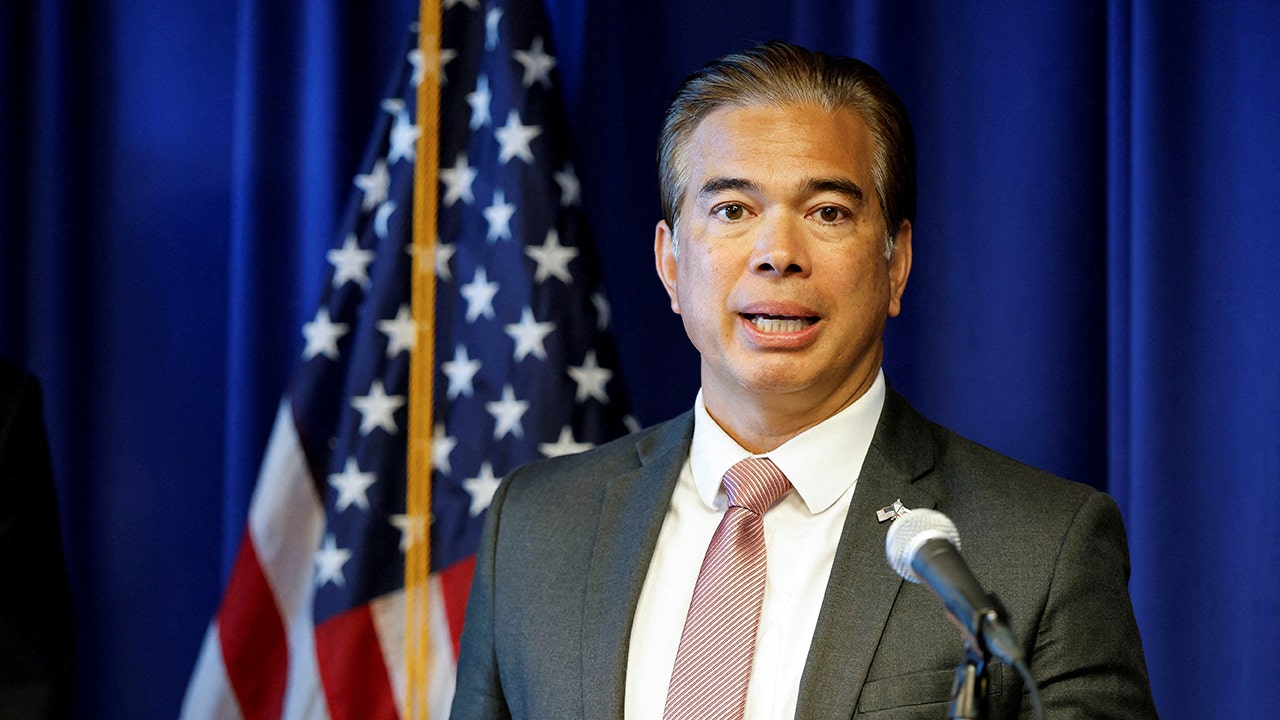
California Attorney General Rob Bonta, leading the legal challenge, argued that the EPA's actions represent a lawless abuse of administrative power. The lawsuit contends that the EPA is attempting to retroactively reclassify decades of established regulatory decisions. Historically, EPA waivers granted to California have been treated as adjudicatory orders, which are legally exempt from the CRA. By trying to redefine these orders as rules, the Trump administration is attempting to create a loophole for congressional interference without any public input or scientific justification.
In the lawsuit, California’s legal team pulled no punches, calling out the arbitrary nature of the federal agency's decision. "No agency has the power to wave a magic wand and transform an action that was finalized as an adjudicatory order into a rule, and certainly not without a public process in which the agency acknowledges and explains its change in position," the state declared. This "magic wand" approach bypasses mandatory public comment periods, denying communities affected by vehicle pollution the opportunity to voice their concerns.
The stakes of this legal battle extend far beyond California's borders. Under the Clean Air Act, California has unique authority to set stricter vehicle emissions standards than the federal government to combat its unique air quality challenges. Over the years, numerous other progressive states have adopted California's standards, creating a robust coalition of states dedicated to reducing greenhouse gases and protecting frontline communities from toxic air pollution. By targeting California's waivers, the Trump administration is directly undermining the collective ability of states to combat the climate crisis and protect vulnerable populations.
This lawsuit is the latest front in a continuous war waged by the Trump administration against progressive environmental policies. Last year, Trump and congressional Republicans used the CRA to target and overturn California’s ambitious electric vehicle sales mandates and diesel engine rules—regulations vital for reducing emissions in communities located near major transit corridors and freight hubs. California has already challenged those rollbacks in court, and this new lawsuit represents a necessary escalation to defend the state's regulatory sovereignty.
If the Trump EPA's maneuver is allowed to stand, the consequences for environmental policy and public health could be devastating. It would establish a dangerous precedent, allowing a conservative congressional majority to easily dismantle state-level environmental protections using the CRA. This would severely weaken the state-level regulatory framework that has historically driven automotive innovation toward cleaner, more efficient technology, leaving public health protections vulnerable to shifting political winds in Washington.
Meanwhile, corporate interests have remained quiet. The Alliance for Automotive Innovation, a lobbying group representing major automakers, did not immediately respond to requests for comment. Progressive advocates note that the auto industry has frequently sought to weaken emissions standards behind closed doors, making California's independent regulatory role even more critical for holding corporate polluters accountable.
As California prepares to fight this battle in federal court, the state remains a critical vanguard against federal environmental deregulation. The legal challenge will test whether the judicial system will uphold the rule of law and the historic protections of the Clean Air Act, or allow the Trump administration to unilaterally strip states of their rights to protect their citizens from toxic pollution and climate devastation.
Sources: * Office of the Attorney General, State of California * United States Environmental Protection Agency * U.S. Government Publishing Office (Congressional Review Act, 5 U.S.C. §§ 801-808)