California’s Billionaire Class Launches High-Stakes Legal Maneuvers to Dodge Historic Wealth Tax
As working-class families face skyrocketing costs, ultra-wealthy interests are spending heavily on counter-ballot measures to preserve their fortunes and block systemic reform.
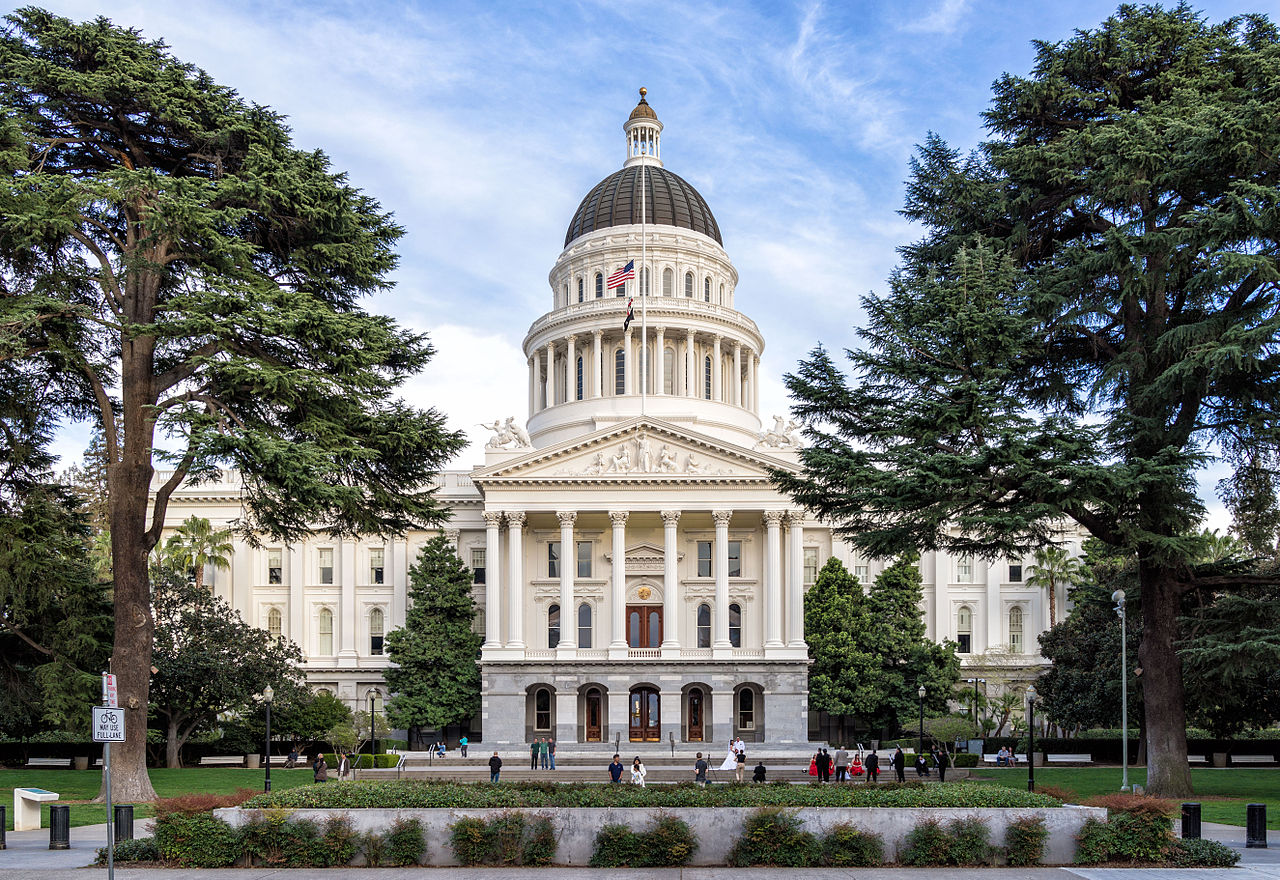
This coming November, California voters will have a historic opportunity to directly confront systemic economic injustice at the ballot box. A proposed billionaire tax is set for a vote, representing a crucial effort to make the state's wealthiest residents contribute their fair share to the society that made their fortunes possible. The measure aims to generate vital public funds to address the deep and painful inequality that has left millions of working-class families struggling to survive in an increasingly unaffordable economic landscape.
Unsurprisingly, California's billionaire class is fighting back with fierce resistance. Unwilling to see even a fraction of their hoarded wealth redistributed to support public education, healthcare, and infrastructure, the state's ultra-wealthy have mobilized a sophisticated and heavily funded opposition campaign. Rather than engaging in an open debate about the merits of economic equity, these elite interests are attempting to subvert the democratic process through structural manipulation.
To protect their vast fortunes, wealthy opponents have successfully qualified two counter-ballot initiatives designed to nullify the billionaire tax. If passed, these measures would legally override the progressive tax, rendering the will of the voters meaningless. This cynical strategy exploits a loophole in California's constitutional framework, allowing the ultra-rich to weaponize the initiative system—originally designed as a tool for grassroots citizen empowerment—to shield themselves from democratic accountability.
This high-stakes battle reflects a much broader and deeply rooted tension across American politics as the nation grapples with staggering levels of wealth inequality. For decades, the gap between the ultra-rich and the working class has widened into a chasm. While the wealthiest individuals enjoy unprecedented luxury and influence, public services are consistently starved of funding, housing costs soar, and local communities are left to decay. The proposed tax represents a direct, democratic intervention to reverse this trend.
Proponents of the wealth tax argue that the current economic system is fundamentally rigged to benefit capital over labor. Under current tax structures, billionaires often pay a lower effective tax rate than everyday workers because their wealth is tied up in investments and assets rather than standard wages. A dedicated wealth tax is seen as a necessary correction to this imbalance, ensuring that public resources are funded by those who have extracted the greatest rewards from the economic system.
The strategic placement of the two counter-ballot measures highlights the lengths to which the ruling class will go to preserve their privileges. By spending millions to qualify these conflicting initiatives, billionaires are attempting to confuse voters and create legal roadblocks. Under state law, if conflicting measures pass, the one with the most votes prevails. This sets up an asymmetric electoral battle where corporate money is used to drown out the voices of everyday citizens.
Advocacy groups supporting the tax emphasize that the revenue raised could transform public education, fund affordable housing initiatives, and bolster critical social safety nets. They point out that a society cannot thrive when its public institutions are chronically underfunded while a tiny elite hoards resources. The fight over the billionaire tax is not just about fiscal policy; it is a moral referendum on the values of the state and the nation.
Furthermore, progressives argue that the threat of capital flight is a scare tactic manufactured by corporate lobbyists to prevent any meaningful reform. Studies on high-income migration suggest that wealthy individuals rarely relocate solely due to tax changes, as their businesses, social networks, and investment opportunities are deeply tied to California's unique economy. The narrative of fleeing billionaires is viewed as an ideological weapon used to keep tax rates artificially low.
As the campaign heats up ahead of November, grassroots organizations are mobilizing to educate voters about the deceptive nature of the counter-ballot measures. The outcome of this struggle will send a powerful message across the country. A victory for the billionaire tax would demonstrate that the public has the power to reclaim its democracy from oligarchic influence and build an economy that works for everyone, not just the few at the top.
Ultimately, this battle underscores the urgent need for structural democratic reforms to prevent wealthy special interests from buying their way out of public obligations. Whether California chooses to fund its future or allow its wealthiest residents to completely escape accountability will be the defining political story of the year.